Forgotten Bone Found in Famous Flores Cave Reveals Massive New Extinct Bird Species
A mysterious leg bone found in an Indonesian cave reveals a previously unknown species of ground-dwelling bird that lived alongside the ancient hobbit human.
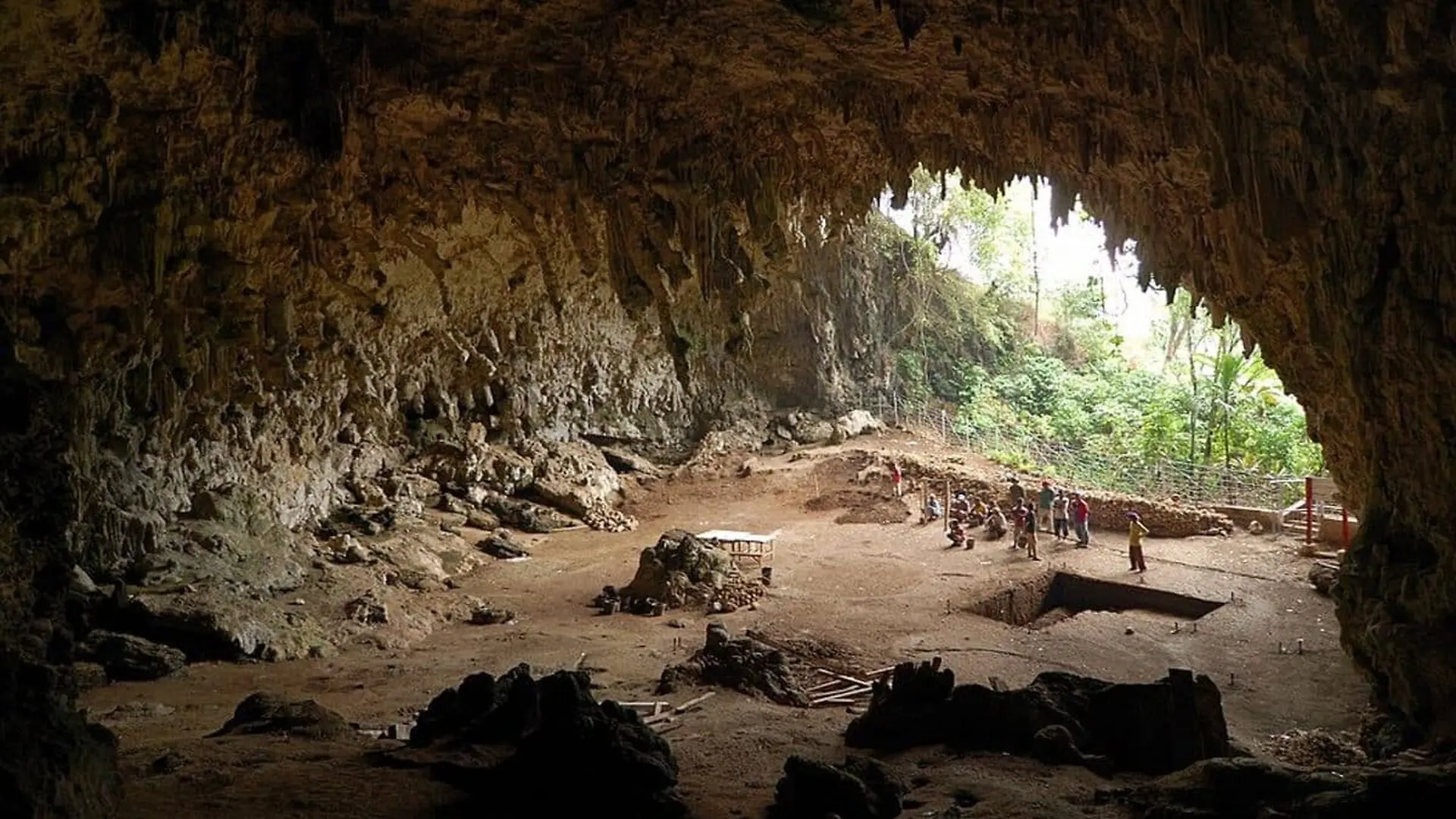
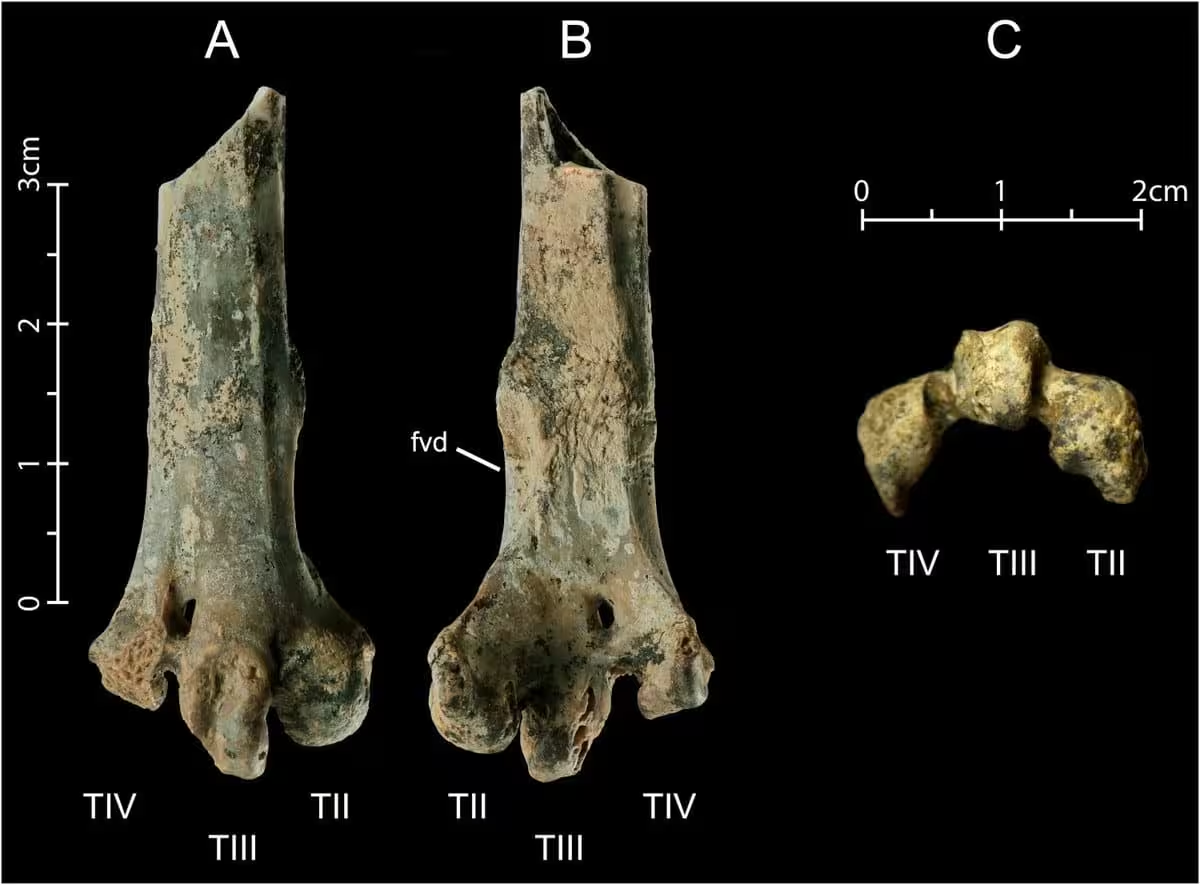
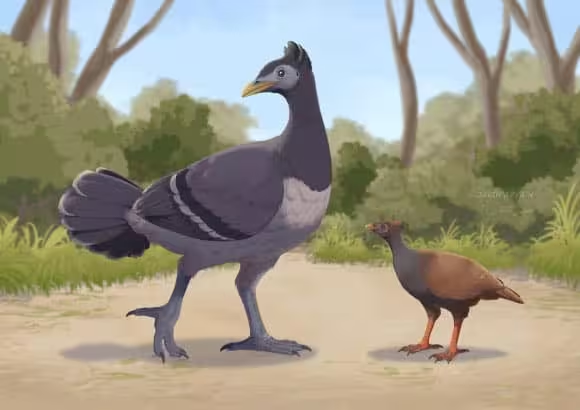
Paleontologists have uncovered evidence of a previously unknown, extinct megapode species that once roamed the Indonesian island of Flores. Identified from a single leg bone fragment, the bird, named Megapodius rokusi, was a significant presence in the prehistoric landscape, estimated to weigh approximately 3.9 kilograms. This discovery adds a substantial new chapter to the understanding of megapodes—a unique family of ground-dwelling birds known for their distinct practice of incubating eggs using environmental heat rather than body warmth.
The fossil was unearthed at the Liang Bua cave site, a location internationally renowned for yielding the remains of the diminutive hominin Homo floresiensis. Dating back to between 190,000 and 120,000 years ago, the specimen—specifically the lower section of a right tarsometatarsus—suggests a bird significantly more robust than the orange-footed megapode (Megapodius reinwardt), which is currently the only member of the family inhabiting the island and typically weighs between 0.5 and 1.2 kilograms.
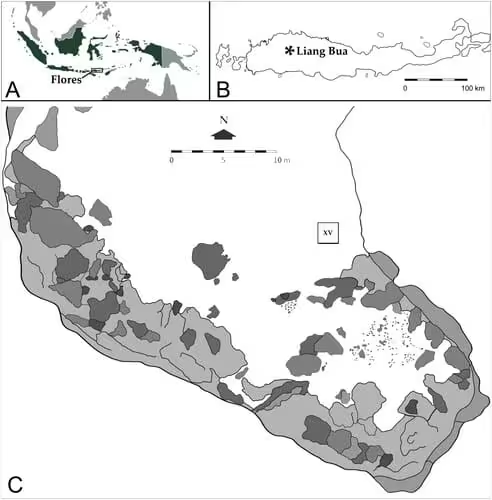
Unveiling an Evolutionary Mystery in Wallacea
The discovery, detailed in the journal Alcheringa, marks the first time a fossil megapode has been described from Wallacea, the biologically distinct biogeographic transition zone situated between the Asian and Australian continental shelves. Because the recovered material is limited to a single leg bone, researchers have yet to determine if the species was flightless or how it interacted with other avian populations on the island. It remains an open question whether M. rokusi overlapped with the smaller megapodes found on Flores today, or if the larger bird vanished long before its contemporary counterparts arrived.
The species name serves as a tribute to the late Indonesian zooarchaeologist Rokus Due Awe. Beyond his significant contributions to the field, he was instrumental in the initial identification of the fossils eventually classified as Homo floresiensis. This naming honor is particularly notable as it marks the first instance of a megapode species being named after an Indonesian researcher.
Ecological Pressures and Prehistoric Food Sources
The geographic range of megapodes is largely restricted to areas east of the Wallace Line, avoiding the mainland and the Greater Sunda Islands. Paleontologists like Hanneke Meijer of the University Museum of Bergen have long explored why this distribution persists, pointing to factors such as competition with other bird families and the prevalence of mammalian predators on the Asian mainland. For the megapodes, the reliance on mound-nesting—where eggs are buried in soil or vegetation—creates both opportunity and risk.
“Megapode eggs have a yolk that makes up about 50-60% of the egg weight and are considered very nutritious,” the study notes.
Because these nests are often communal, the eggs are highly visible and accessible to opportunistic foragers. Researchers believe that both Homo floresiensis and, in later millennia, modern humans, likely viewed these calorie-dense eggs as a vital food source, potentially impacting the population dynamics of these unique island birds throughout their shared history.
This article has been fact checked for accuracy, with information verified against reputable sources. Learn more about us and our editorial process.
Last reviewed on .
Article history
- Latest version
Reference(s)
- Meijer, Hanneke J. M.., et al. “A new species of megapode (Galliformes: Megapodiidae) from the Pleistocene of Liang Bua, Flores.” Alcheringa: An Australasian Journal of Palaeontology, October 22, 2026, pp. 1-12. Informa UK Limited, doi: 10.1080/03115518.2026.2741158. <https://www.tandfonline.com/doi/full/10.1080/03115518.2026.2741158>.
- <https://www.researchgate.net/scientific-contributions/Rokus-Due-Awe-2004361917>.
- “Hanneke J.M. Meijer | UiB.” <https://www4.uib.no/en/find-employees/hanneke-jm.meijer>.
Cite this page:
- Posted by Hassan Raza