Newborn Urine Test Spots Birth Oxygen Shortages Better Than Lactate
Analyzing metabolic byproducts in infant urine accurately flags brain injury risks and tracks recovery during cooling therapy.
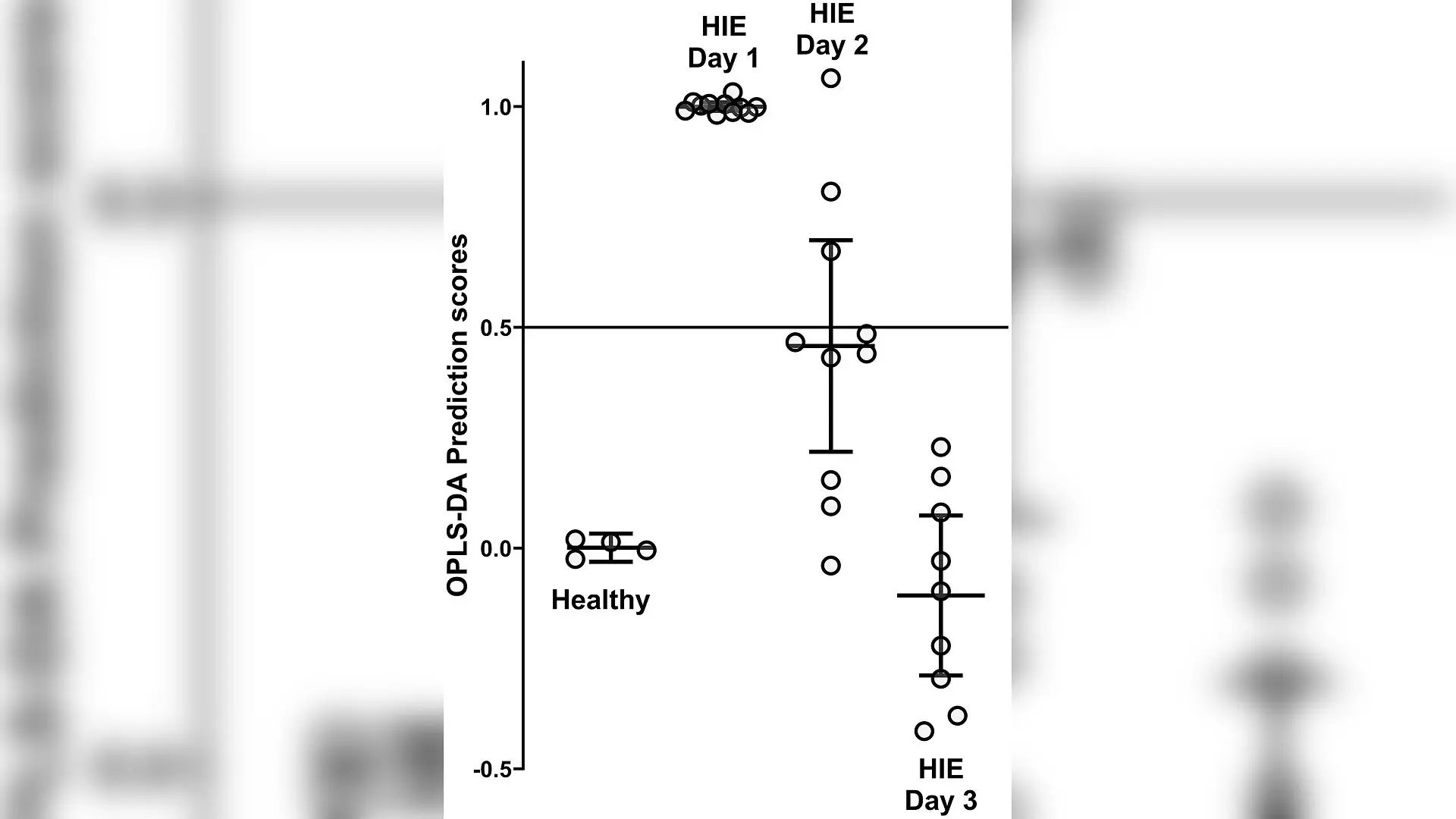
Newborn urine tests could soon spot critical brain oxygen deprivation much faster than standard hospital methods, according to a recent clinical study. When babies experience severe delivery stress leading to a shortage of oxygen, they can develop a dangerous condition called hypoxic-ischemic encephalopathy, which causes seizures and can result in permanent neurological damage like cerebral palsy.
Protecting these infants requires specialized cooling therapy, but doctors must start this treatment within a narrow time window, and current diagnostic tools often fail to identify at-risk newborns quickly enough. Researchers set out to test whether analyzing chemical byproducts in infant urine could provide a sharper, more reliable early warning sign than traditional blood tests.
The research was published in PLOS One by a team led by investigators at the University of Saskatchewan and Jim Pattison Children’s Hospital. They evaluated 11 newborns admitted to the neonatal intensive care unit who met clinical criteria for therapeutic hypothermia treatment following oxygen deprivation at birth. These infants were compared against a control group of 4 healthy newborns.
How Urine Metabolomics Outperformed Standard Lactate Testing
The team collected urine samples from the at-risk infants at three distinct time points, beginning within the first 6 hours of life, followed by samples around 48 hours and 91 hours into the cooling protocol. They used an advanced laboratory technique called liquid chromatography-tandem mass spectrometry, which measures the precise concentrations of small molecules involved in cellular metabolism. By examining these metabolic profiles, the authors hoped to capture a comprehensive biochemical fingerprint of oxygen deprivation rather than relying on a single clinical marker.
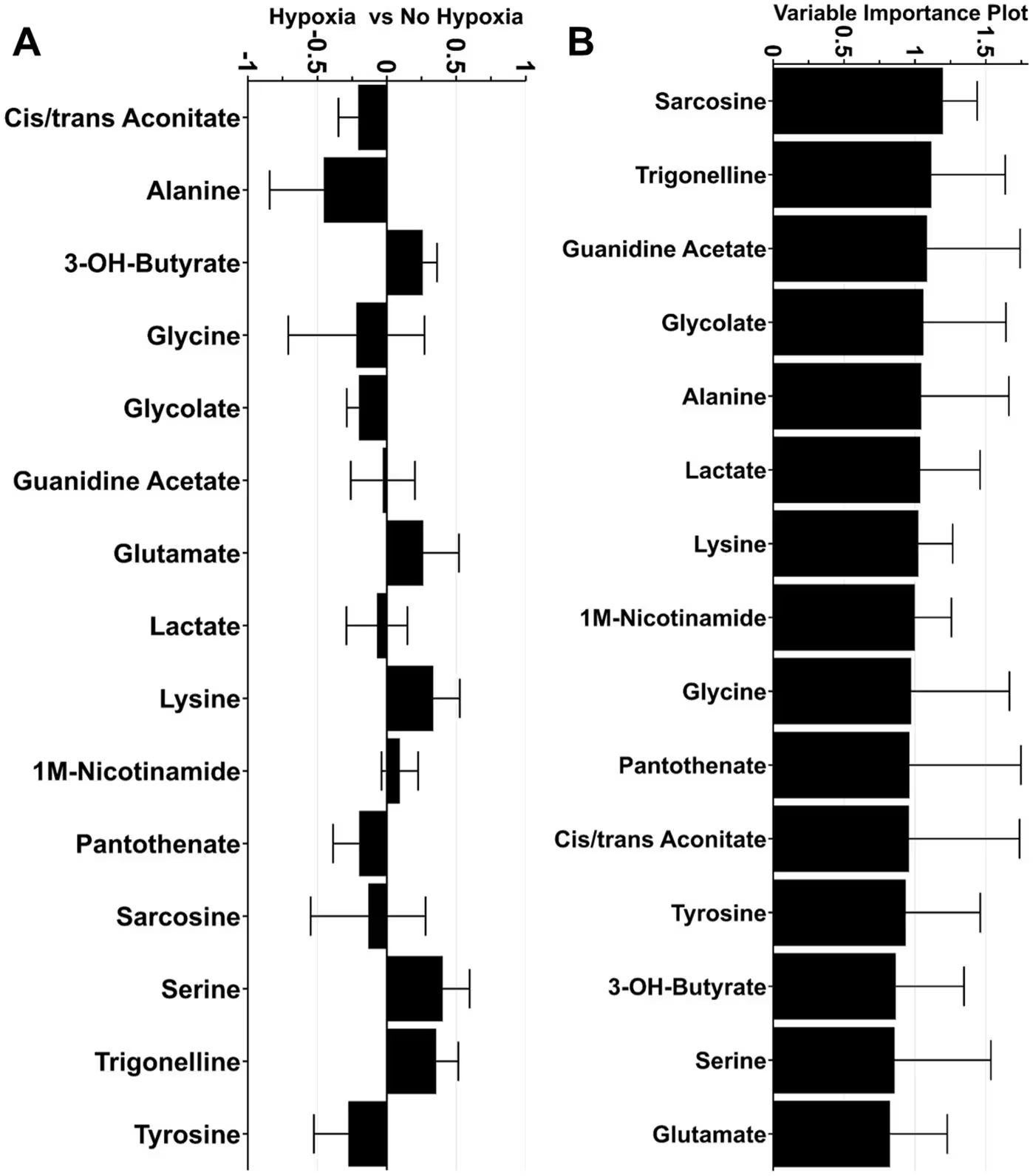
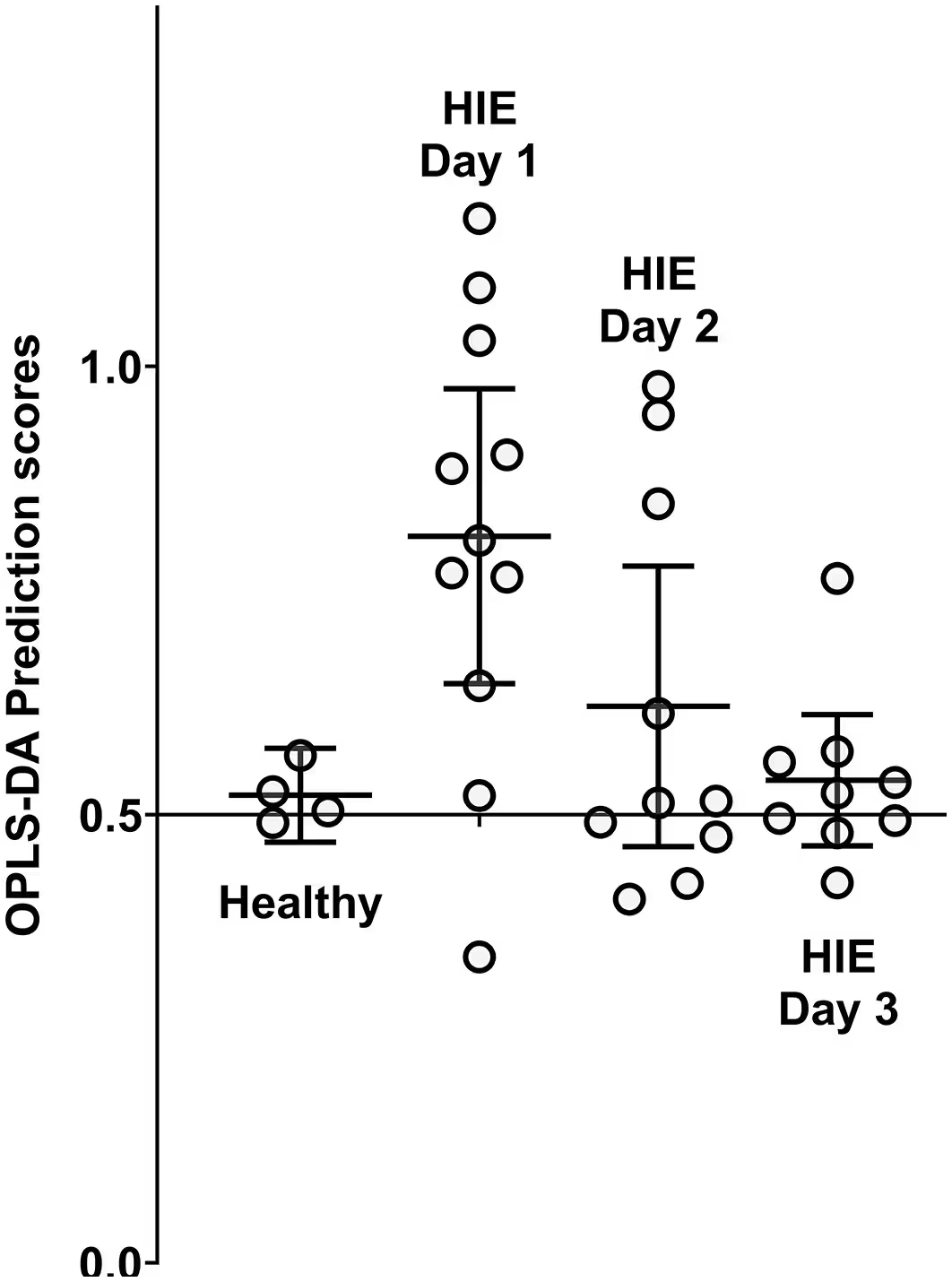
Traditional diagnoses often rely on serum lactate, which measures lactic acid in the blood as a sign of anaerobic respiration. However, the investigators found that relying on lactate alone yielded a much less accurate predictive model, misclassifying several infants who had experienced oxygen shortages. In contrast, the advanced metabolomic approach successfully isolated a specific panel of 15 metabolites that effectively differentiated between healthy infants and those experiencing the condition.
What the Chemical Signatures Reveal About Cellular Stress
The identified panel of 15 compounds includes well-known stress indicators along with several unexpected markers linked to energy production and cellular injury. Alongside lactate, the profile featured compounds such as alanine, glycine, glutamate, tyrosine, and 1-methylnicotinamide. Many of these molecules are tied to major metabolic pathways, including amino acid synthesis and glyoxylate metabolism, which become disrupted when tissues are starved of oxygen.
Glutamate accumulation, for instance, is a primary driver of neuroexcitotoxicity, a process where overactive brain signaling destroys neurons. Other identified metabolites, such as aconitate and pantothenate, are frequently associated with kidney stress, suggesting that systemic organ strain outside the brain could serve as an early indicator of severe birth complications. When the researchers analyzed urine samples taken from the recovering infants on the second day of cooling, those chemical profiles showed an intermediate state, shifting away from the disease pattern and back toward normal healthy levels.
Limitations and What Comes Next for the Diagnostic Test
While the results point toward a promising non-invasive diagnostic avenue, the authors noted several important limitations. The study relied on a relatively small sample size, particularly for the healthy control group, as obtaining prompt urine samples from healthy newborns is logistically challenging. Furthermore, the participating infants varied in birth weight and nutritional intake, which can introduce background metabolic noise.
The team emphasizes that these findings must be validated in much larger cohorts of neonates before any clinical test can be deployed. Because urine collection is entirely non-invasive, a validated test could eventually be adapted for community hospitals and birth centers where many deliveries take place, helping clinicians make rapid treatment decisions and giving vulnerable infants a better chance at a healthy recovery.
The research was published in PLOS One on November 10, 2026.
This article has been fact checked for accuracy, with information verified against reputable sources. Learn more about us and our editorial process.
Last reviewed on .
Article history
- Latest version
Reference(s)
- Adamko, Darryl J.., et al. “Targeted urine metabolomics for enhanced diagnosis of hypoxic-ischemic encephalopathy in newborns: A pilot study.” PLOS One, vol. 21, no. 11, November 10, 2026, pp. e0361619 Public Library of Science (PLoS), doi: 10.1371/journal.pone.0361619. <https://doi.org/10.1371/journal.pone.0361619>.
Cite this page:
- Posted by Priya Sharma