Brazilian Researchers Track 49 Youth With Type 1 Diabetes, And Find Digital Education Boosts Daily Scans But Fails To Lower Blood Sugar
A six-month telehealth and sensor study in Brazil reveals that remote education improves daily glucose monitoring in youth, yet leaves average blood sugar unchanged.
Researchers at the Universidade Federal do Paraná followed 49 children and adolescents with type 1 diabetes mellitus to see if remote education and glucose sensors could improve their health. They discovered that while a 6-month digital intervention did not lower overall blood sugar levels, it successfully increased daily glucose checks and time spent in the healthy target range.
Type 1 diabetes mellitus is a chronic condition where the pancreas produces little or no insulin, requiring patients to monitor blood sugar, count carbohydrates, and inject insulin multiple times a day. Managing the disease places a heavy burden on young patients and their families, who must make dozens of daily decisions to avoid dangerous high or low blood sugar episodes. In a public health setting in Brazil, Andréia Araujo Porchat de Leão and her colleagues set out to test whether adding structured telemedicine support and intermittently scanned continuous glucose monitoring (devices worn on the body that measure interstitial glucose levels when scanned with a reader) could help youth who struggle to achieve recommended blood sugar targets.
How Telehealth and Glucose Sensors Changed Daily Habits
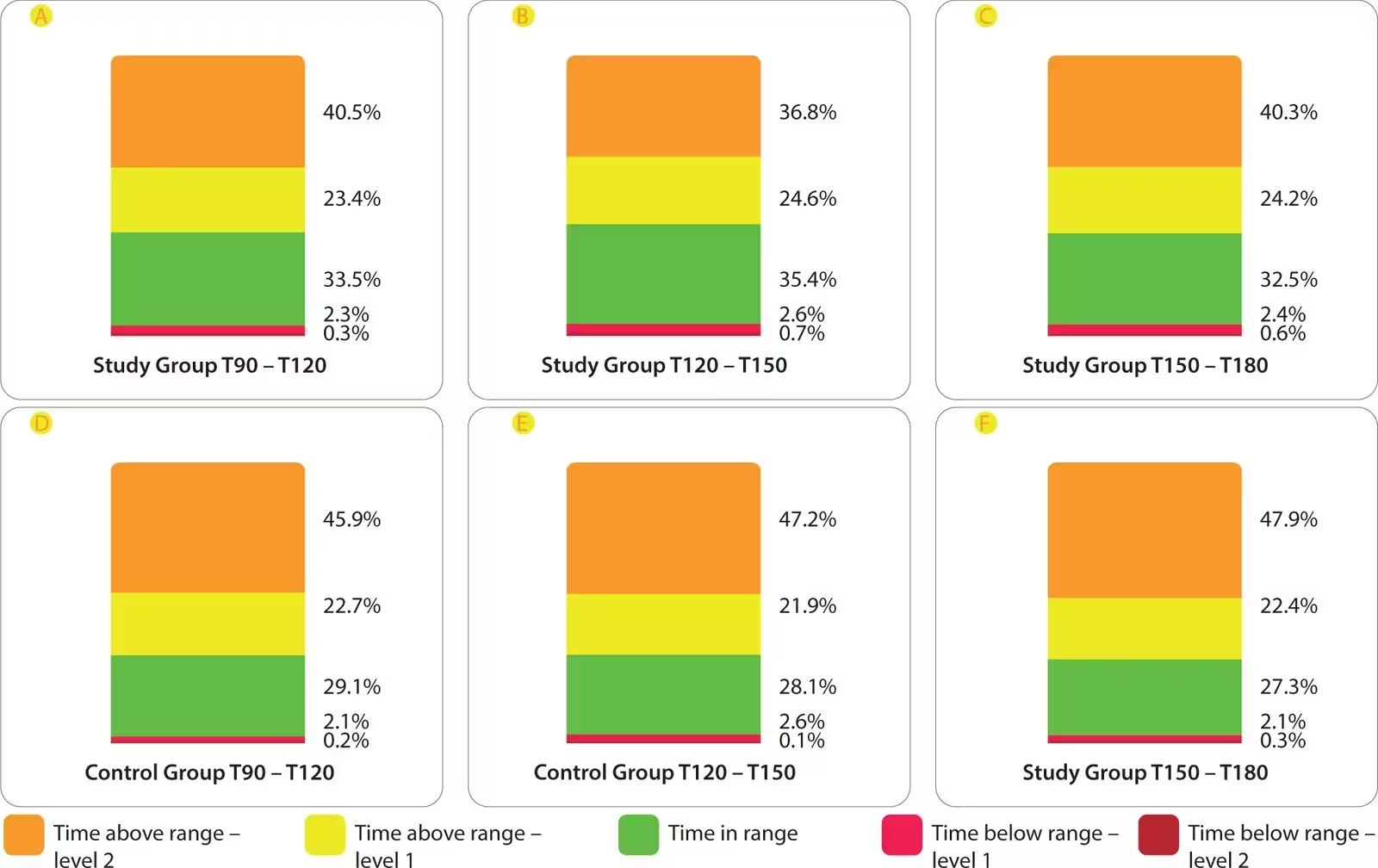
The study divided participants into a study group receiving remote multidisciplinary education through a mobile application and a control group receiving standard care. All 49 participants started using continuous glucose monitors from day 90 onward. Following the introduction of the sensors, the study group performed an average of 10 daily glucose scans, compared to 6.6 scans in the control group. The intervention group also achieved a significantly higher percentage of time within the target blood sugar range, showing that remote support encouraged more active monitoring.
Why Blood Sugar Averages Remained Unchanged Over Time
Despite the better daily scanning habits and improved time in range, glycated hemoglobin, a standard blood test reflecting average blood sugar levels over the prior 3 months, did not decrease in either group. Mean values remained above 9% throughout the study period. The authors suggest that the 90-day duration of sensor use may simply have been too short for new behavioral habits to translate into measurable biochemical improvements in this vulnerable population.
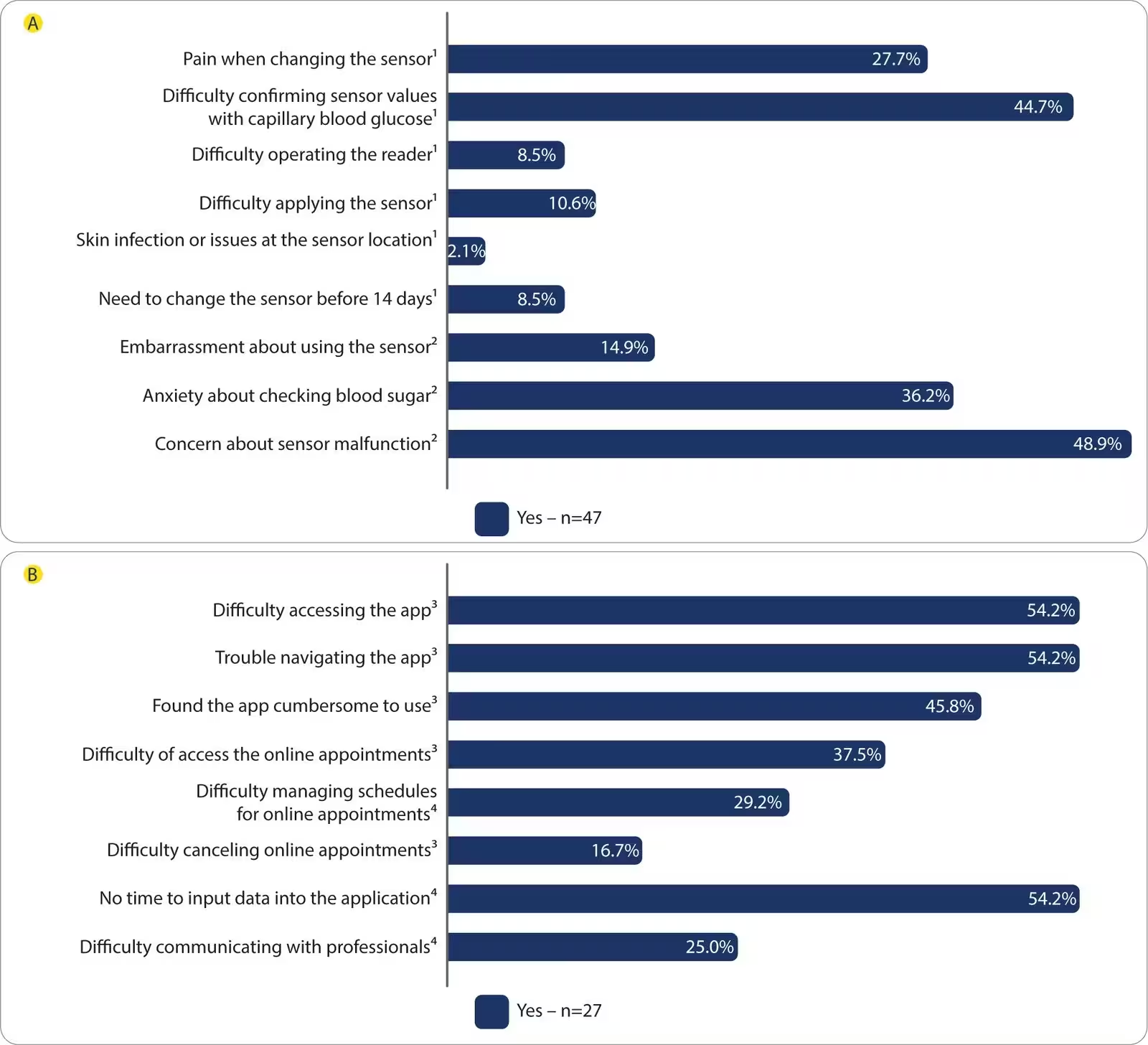
As published in the Archives of Endocrinology and Metabolism, the findings point to significant real-world obstacles that digital health programs face in resource-limited settings. A striking 72% of participants in the study group reported challenges attending remote multidisciplinary appointments, frequently citing scheduling conflicts with school or work, as well as trouble navigating the digital platform.
What Digital Adherence Barriers Reveal About Future Care
The data revealed a direct link between appointment adherence and clinical outcomes among the participants. Patients who reported difficulties keeping up with the remote program had higher average blood sugar levels than those who adhered without trouble. Furthermore, many families lacked modern smartphones with near-field communication technology, making it harder for the medical team to access up-to-date sensor data during virtual visits and adjust insulin doses precisely.
The researchers emphasize that while telemedicine and wearable sensors hold clear potential to improve daily diabetes management, technology alone cannot overcome deep-seated socioeconomic hurdles. Future digital health initiatives will require robust upfront training, better digital infrastructure, and longer follow-up periods to help vulnerable youth achieve lasting metabolic health.
The research was published in Archives of endocrinology and metabolism on November 27, 2026.
This article has been fact checked for accuracy, with information verified against reputable sources. Learn more about us and our editorial process.
Last reviewed on .
Article history
- Latest version
Reference(s)
- Leão, Andréia Araujo Porchat de., et al. “Real-world remote multidisciplinary educational intervention combined with intermittently scanned continuous glucose monitoring in youth with type 1 diabetes mellitus at a public referral center.” Archives of Endocrinology and Metabolism, vol. 70, no. 6, January 1, 2026, pp. 1-10. Archives of Endocrinology and Metabolism, doi: 10.20945/2359-4292-2026-0138. <https://doi.org/10.20945/2359-4292-2026-0138>.
Cite this page:
- Posted by Priya Sharma