Researchers Map MicroRNA Pathways In Living Tissue, Revealing How Small Molecules Control Gene Expression
A detailed molecular study shows how non-coding RNA sequences adjust cellular stress responses.
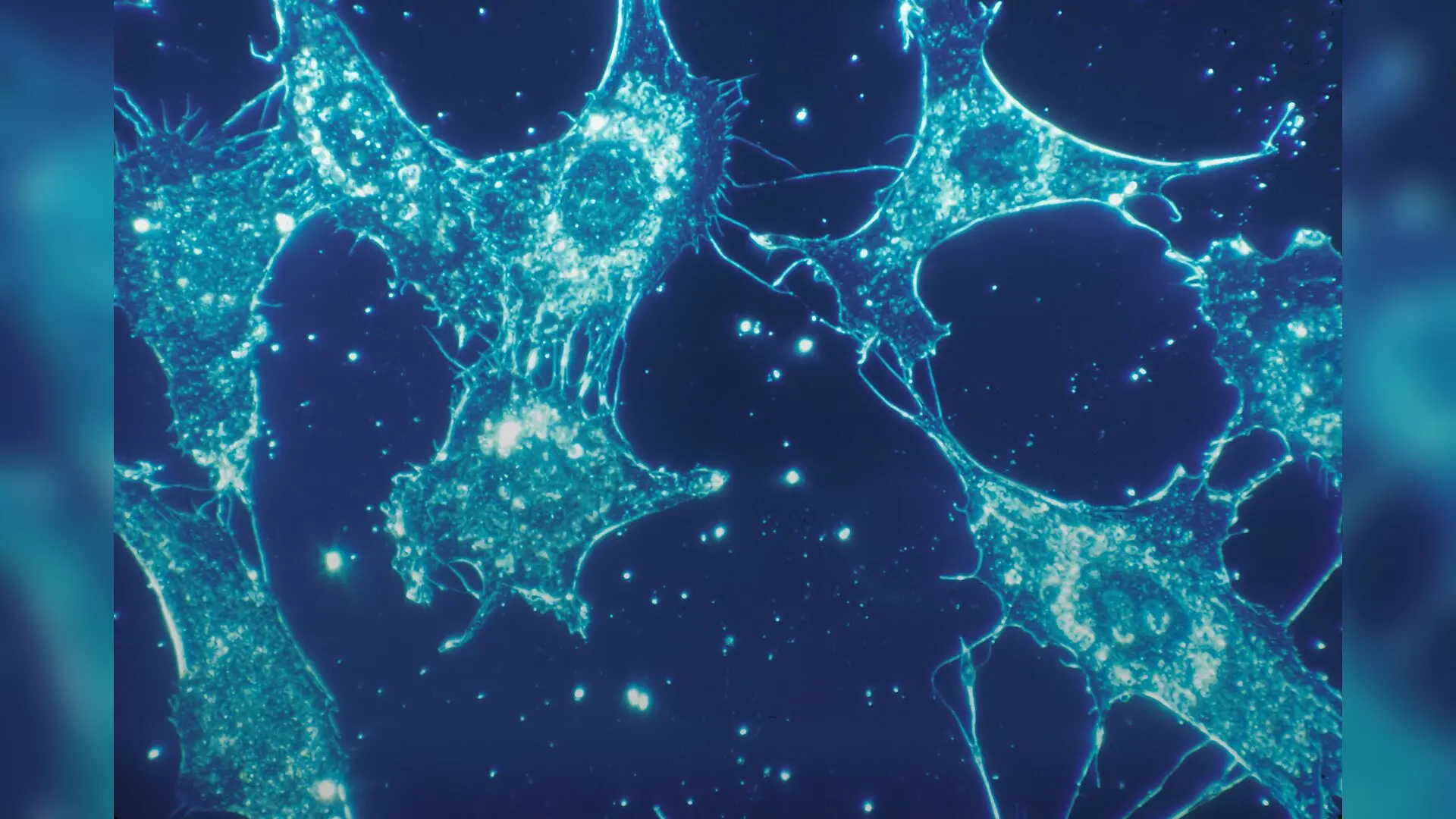
Biologists uncover how microRNA molecules alter cellular pathways in living tissue, revealing precise mechanisms that could redefine our understanding of gene regulation. Researchers led by Liang W and colleagues at their respective institutions published their work on November 25, 2026, published in Cellular & Molecular Biology Letters, detailing how small non-coding RNA fragments interact with target transcripts to suppress protein synthesis. This investigation highlights the intricate control systems operating inside cells, showing that post-transcriptional gene silencing plays an even larger role in cellular adaptation than previously understood.
How Do MicroRNA Molecules Target Specific Transcripts Inside Living Cells?
Cellular processes rely heavily on the precise timing of gene expression, where genetic instructions are transcribed into messenger RNA before being translated into functional proteins. For years, scientists recognized that microRNA strands act as molecular guides, directing protein complexes to specific messenger RNA targets based on complementary sequence matching. Now, this detailed analysis maps out the structural dynamics of those binding events with unprecedented clarity. The team observed how even minor sequence variations can dramatically alter the efficiency of target repression.
What Role Do Non-Coding Sequences Play in Cellular Stress Responses?
Beyond normal housekeeping duties, these regulatory networks adjust rapidly when cells encounter environmental stress or metabolic shifts. The researchers noted that specific microRNA populations shift significantly during stress events, altering hundreds of downstream pathways simultaneously. This coordinated response allows cells to conserve energy by halting non-essential protein production while prioritizing survival factors. Such flexibility demonstrates that non-coding RNA acts less like a simple off switch and more like a sophisticated dimmer dial for cellular machinery.
Why Is Target Selectivity So Difficult to Map Accurately?
Predicting which transcripts a given microRNA will silence remains a major challenge because binding rules are rarely absolute. Partial sequence matches can still trigger suppression, leading to complex networks where one regulatory molecule affects dozens of distinct genes. The current study utilized advanced sequencing techniques to catalog these interactions across multiple experimental conditions. By tracking these binding profiles, the authors mapped out off-target effects that often complicate therapeutic interventions designed around RNA interference.
What Are the Limitations of Current Molecular Observation Methods?
While the findings offer deep insight into cellular regulation, observing these transient interactions in living tissue remains technically demanding. The team acknowledges that laboratory models cannot fully replicate the complex microenvironment found in intact organism tissues. Furthermore, transient binding events can be difficult to capture without artificially stabilizing the molecular complexes involved. These experimental boundaries mean that researchers must continue refining their models to confirm how these regulatory loops function in human disease states.
The research was published in Cellular & molecular biology letters on November 25, 2026.
This article has been fact checked for accuracy, with information verified against reputable sources. Learn more about us and our editorial process.
Last reviewed on .
Article history
- Latest version
Reference(s)
- Liang, Wenqing., et al. “Retraction Note: Mesenchymal stem cells as a double-edged sword in tumor growth: focusing on MSC-derived cytokines.” Cellular & Molecular Biology Letters, vol. 31, no. 1, November 25, 2026 Springer Science and Business Media LLC, doi: 10.1186/s11658-026-01076-7. <https://doi.org/10.1186/s11658-026-01076-7>.
Cite this page:
- Posted by Priya Sharma