Researchers Produce Transparent Aluminum Oxynitride Ceramics Using Combustion Synthesis and Perchlorate Boosters
New chemical activators and moderate nitrogen pressures overcome longstanding stoichiometric hurdles to yield optical-grade ceramic powders.
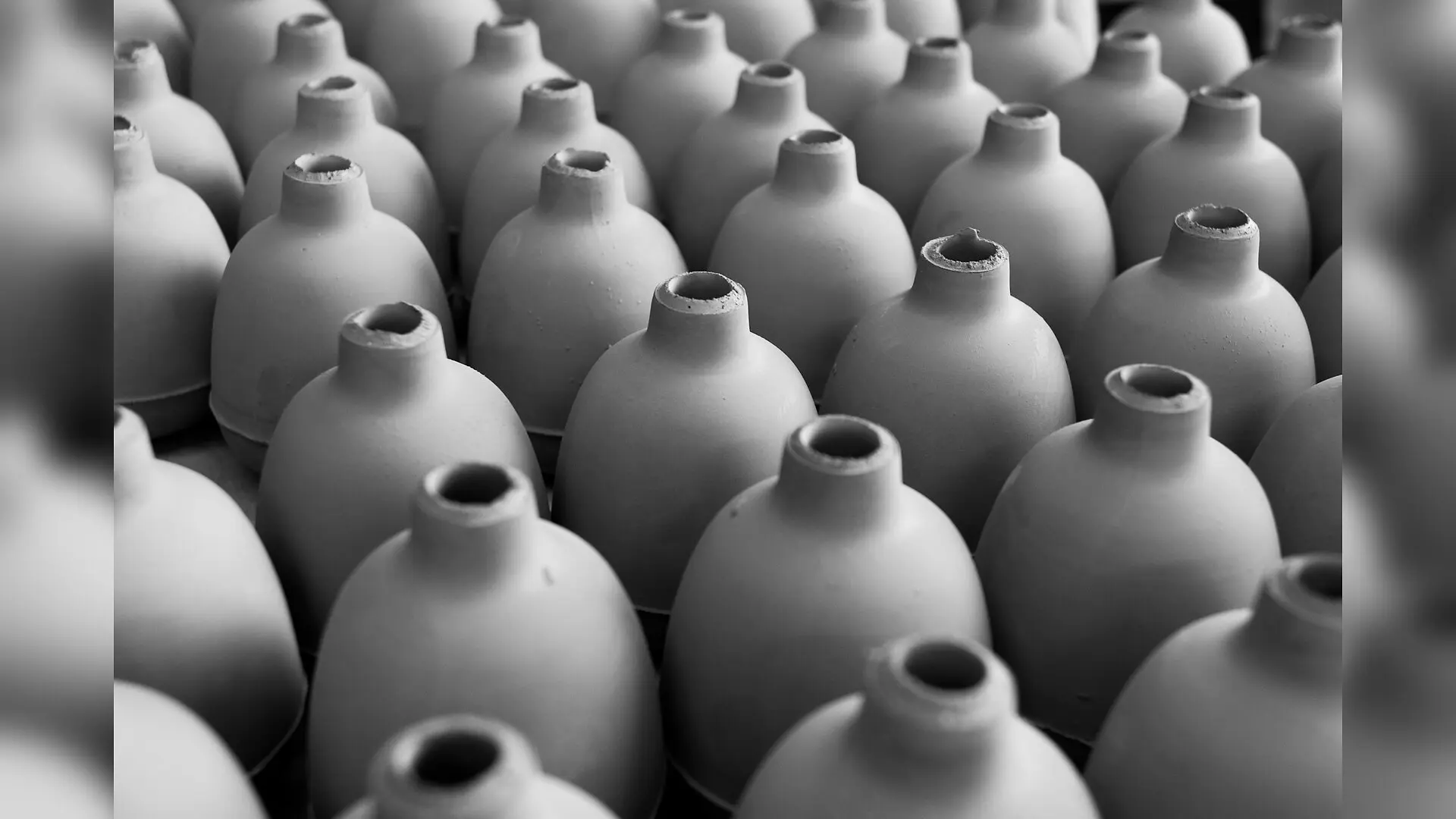
Researchers at the Institute of Structural Macrokinetics and Materials Science (ISMAN) have synthesized phase-pure aluminum oxynitride powders that achieve over 64% in-line optical transmittance after sintering. Aluminum oxynitride, known as γ-AlON, is a transparent polycrystalline ceramic that is four times stronger than tempered glass and serves as a promising material for infrared windows and high-temperature optical components. Producing this material efficiently has long been difficult because the exact chemical makeup needed for pure γ-AlON falls below the natural threshold required to sustain self-propagating high-temperature reactions.
Conventional production routes rely on solid-state reactions between aluminum nitride and aluminum oxide, or the carbothermal reduction of aluminum oxide. Both of those traditional methods demand expensive raw materials, leave residual carbon impurities, and require prolonged processing times. To bypass these limitations, materials scientists have spent the last 20 years investigating alternative production methods based on self-propagating high-temperature synthesis, or SHS, which exploits rapid exothermic combustion reactions.
Overcoming Stoichiometric Limits With Chemical Boosters
The main challenge of creating γ-AlON through standard combustion is a stoichiometric mismatch. Single-phase γ-AlON requires an initial aluminum content of approximately 12.8 wt %, which is below the 15 wt % minimum threshold needed to maintain a self-sustaining combustion wave in an aluminum, aluminum oxide, and nitrogen system. Any mixture hot enough to burn independently ends up producing excess aluminum nitride.
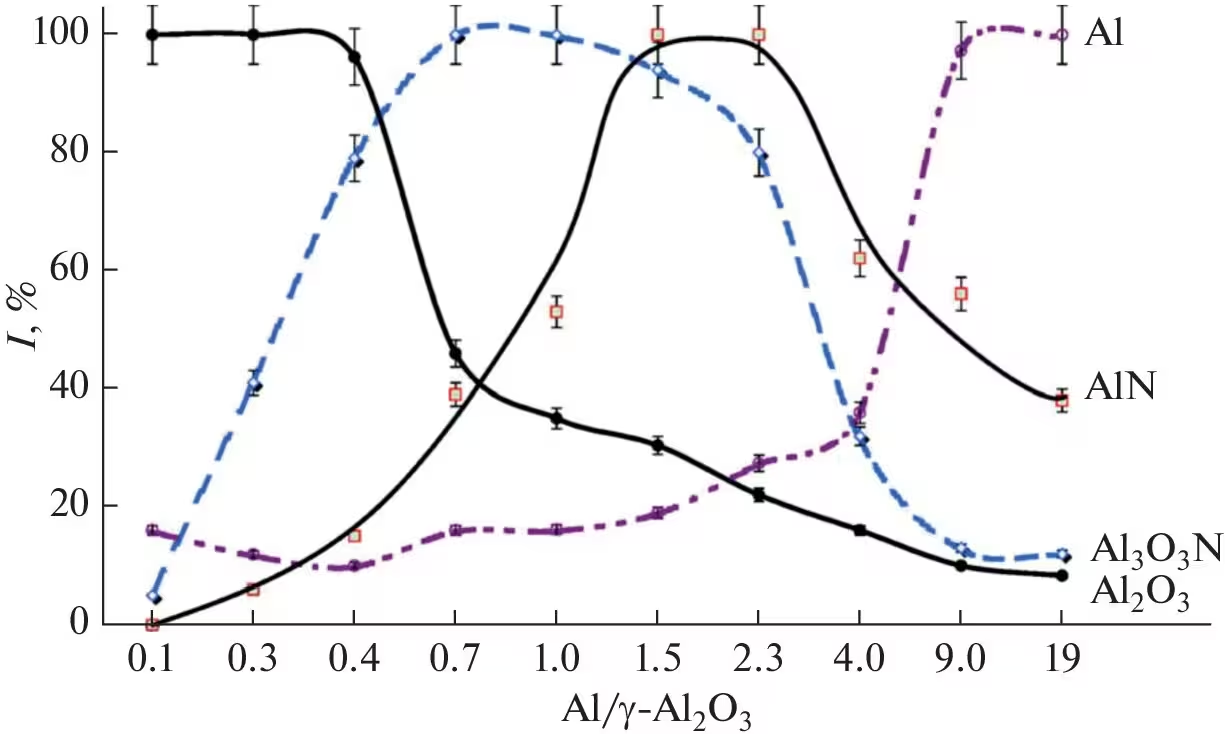
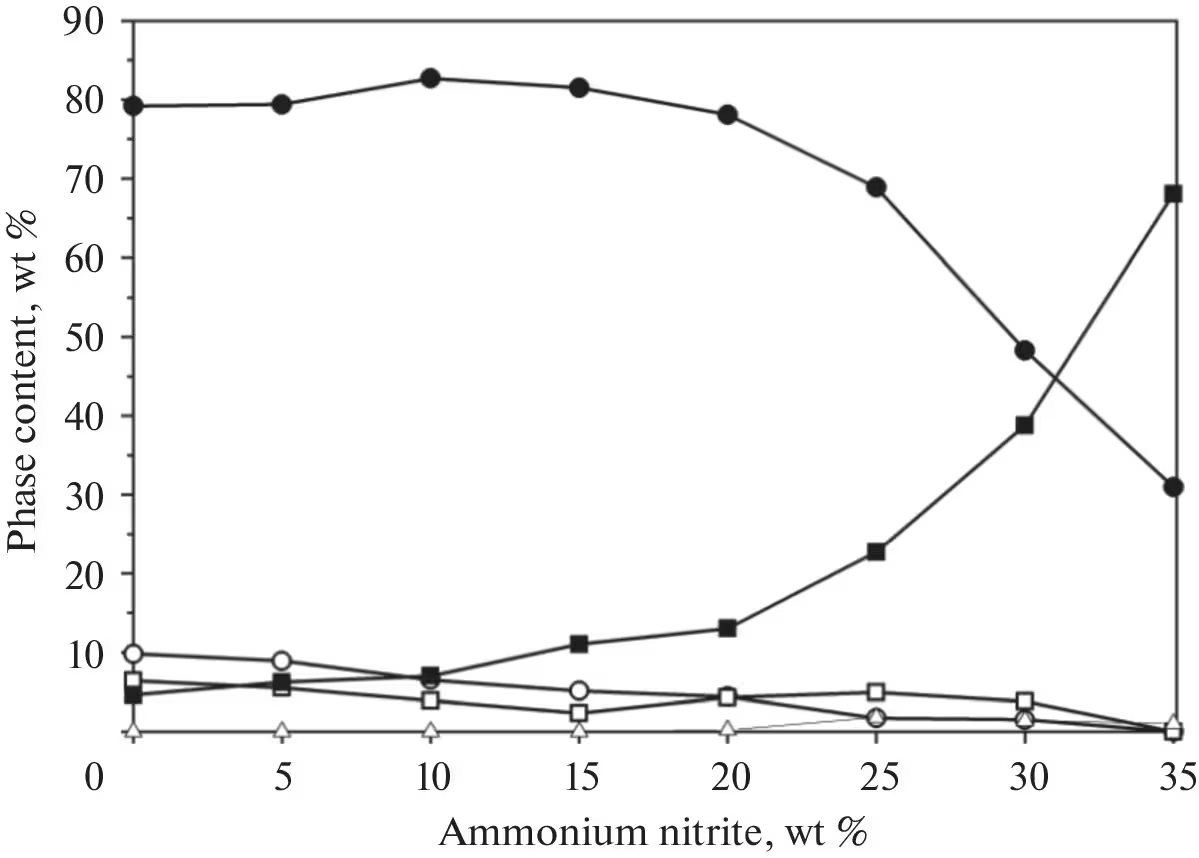
To solve this fuel-deficiency problem, researchers developed chemically activated combustion using perchlorate boosters such as magnesium perchlorate and potassium perchlorate. These additives decompose inside the combustion wave to release reactive oxygen, which internally oxidizes a portion of the excess aluminum and supplies the extra thermal energy needed. The study detailing these advancements is published in the International Journal of Self-Propagating High-Temperature Synthesis.
Controlling Pressure and Temperature for Phase Purity
T. G. Akopdzhanyan and colleagues systematically explored how nitrogen pressure and chemical activators influence the final crystal structure and purity of the ceramic powders. When using magnesium perchlorate as an activator under a nitrogen pressure of 20 MPa, the combustion front velocity reached up to 5 mm/s and produced phase-pure γ-AlON. Furthermore, the researchers found that the nitrogen content of the resulting oxynitride could be precisely tuned from 3.4 to 4.1 wt % by adjusting the nitrogen pressure between 10 and 60 MPa.
A major practical advantage of using perchlorate boosters involves the resulting byproducts. Unlike metal oxides that permanently contaminate the crystal lattice, the chlorine-based compounds generated by the boosters primarily form water-soluble magnesium chloride or potassium chloride. Boiling the synthesized powders in hot deionized water easily removes these surface salts, dropping impurity levels significantly.
Refining Transmittance Through Moderate Pressure Processing
Recent experiments demonstrated that high-quality optical ceramics can be produced from powders synthesized at moderate nitrogen pressures of 8 MPa or less, reducing the need for ultra-high-pressure reactors. After synthesis, the powders were ball-milled with 0.6 wt % calcium carbonate as a sintering aid to achieve a specific surface area of 13.2 m2/g. Cold isostatic pressing at 150 MPa followed by pressureless sintering at 1930°C for 10 hours successfully consolidated the material.
The resulting 1.5 mm thick ceramic sample exhibited an in-line transmittance exceeding 64% in the 3900 to 4600 nm wavelength range. This performance represents a substantial improvement over earlier demonstrations and brings SHS-derived aluminum oxynitride closer to practical deployment in demanding optical systems.
The research was published in International Journal of Self-Propagating High-Temperature Synthesis on November 27, 2026.
This article has been fact checked for accuracy, with information verified against reputable sources. Learn more about us and our editorial process.
Last reviewed on .
Article history
- Latest version
Reference(s)
- Akopdzhanyan, T. G.. “Self-Propagating High-Temperature Synthesis of Aluminum Oxynitride: A Review.” International Journal of Self-Propagating High-Temperature Synthesis, vol. 35, no. 4, November 27, 2026, pp. 251-263. Allerton Press, doi: 10.3103/S1061386226700184. <https://doi.org/10.3103/S1061386226700184>.
Cite this page:
- Posted by Bilal Abbasi