Researchers Review Combustion Synthesis Methods for Catalysts, Revealing How Rapid Reactions Shape Sustainable Manufacturing
Advanced combustion techniques yield durable nanostructured catalysts for environmental cleanup and energy conversion.

Materials scientists at the National University of Science and Technology MISiS have synthesized advanced catalytic materials by reviewing self-propagating high-temperature synthesis techniques that enable rapid, energy-efficient production across the periodic table. Because roughly 90% of modern chemical processes rely on catalysis, researchers are actively optimizing these combustion-driven methods to generate sustainable, adaptable manufacturing systems.
Self-propagating high-temperature synthesis, often called SHS, harnesses exothermic chemical reactions that sustain their own propagation through powder mixtures once ignited. This approach allows laboratories to fabricate metal alloys, ceramics, and complex composites without requiring external energy inputs for the duration of the reaction. Although traditional catalyst preparation relies heavily on impregnation or coprecipitation, combustion techniques offer distinct advantages in speed, purity, and structural control. The full review of these preparation strategies is published in the International Journal of Self-Propagating High-Temperature Synthesis.
How Combustion Waves Forge Structural Catalyst Precursors
Classical SHS methods involve blending finely powdered reactants, compacting them, and igniting the mixture to form ceramic matrices with uniformly dispersed active phases. The necessary heat is typically released during the formation of carbides or borides, or through vigorous aluminothermic reductions. E. V. Pugacheva notes that while these classical techniques often yield lower specific surface areas, the resulting porous ceramic monoliths boast exceptional mechanical strength and thermal conductivity.
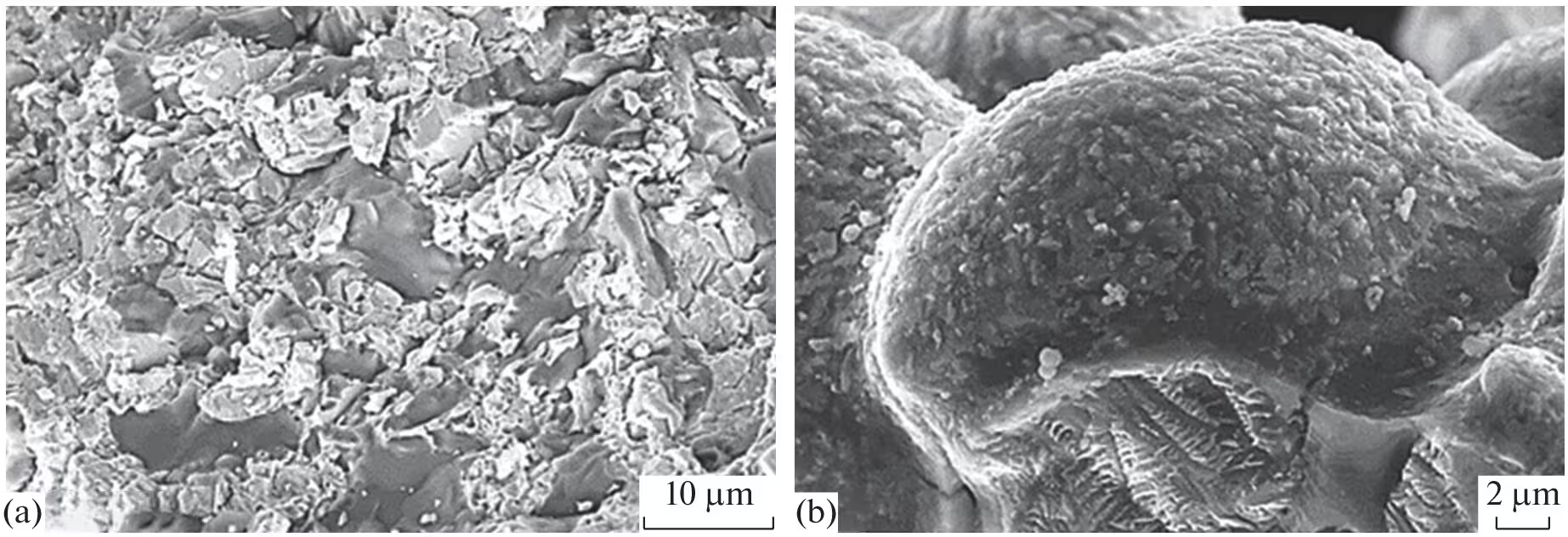
To overcome surface area limitations, researchers developed a leaching strategy that introduces excess aluminum into the initial reaction matrix. Subsequent alkaline treatment removes up to 90% of this aluminum, exposing a highly porous, nanostructured surface beneath. This modification turns brittle precursors into effective catalysts for total oxidation and carbon dioxide hydrogenation.
Granulated Mixtures and Centrifugal Casting Advances
Alternative strategies avoid pressing green powder mixtures by employing binders like polyvinyl butyral to create loose granules. First proposed at the Laboratory of Combustion of Dispersed Systems, this granulation method produces porous bodies of metal-bonded carbides and borides that can be easily crushed before alkaline leaching. These composite catalysts perform strongly in complex chemical reactions while maintaining structural integrity.
Another powerful variation couples SHS aluminothermy with gravitational forces through combined centrifugal casting. Operating at temperatures exceeding 2,300 degrees Celsius, this technique melts metal oxides and aluminum together to form highly homogeneous alloys and intermetallic compounds. The resulting materials serve as robust precursors for polymetallic catalysts and high-entropy alloys containing five or more constituent metals in nearly equiatomic proportions.
Solution Combustion and Low-Temperature Methods
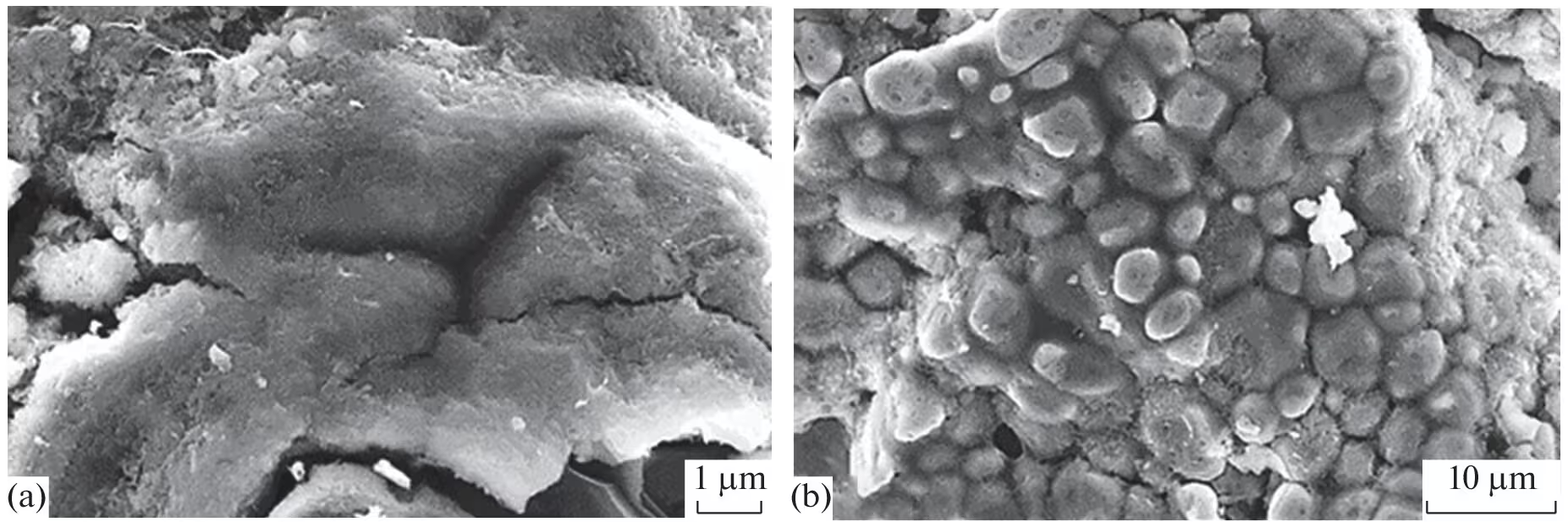
Solution combustion synthesis utilizes an aqueous mixture of metal nitrates and organic fuels such as glycine or urea to yield finely dispersed nanopowders. When preheated in a furnace, the solution ignites, generating rapid combustion waves that push temperatures up to 1,500 degrees Celsius. Researchers favor this approach because dissolving reactants in a single solution ensures intimate atomic mixing and precise compositional control.
Low-temperature combustion synthesis adapts this concept by impregnating porous supports like silica gel, diatomite, or natural opoka with oxidizer-fuel solutions. The combustion proceeds below 400 degrees Celsius, depositing active metal phases onto the support without triggering unwanted particle sintering. Cellulose-assisted variants further exploit natural fibers to replicate intricate microstructures, producing thin-walled hollow oxide fibers with specific surface areas reaching 152 square meters per gram.
Environmental Remediation and Energy Conversion Applications
Catalysts derived from self-propagating high-temperature synthesis find extensive use in environmental protection, including catalytic soot combustion and the selective reduction of nitrogen oxides. Several formulations efficiently oxidize carbon monoxide and various hydrocarbons at temperatures between 150 and 400 degrees Celsius, rivaling traditional noble-metal catalysts. Furthermore, these materials achieve complete carbon dioxide conversion to methane at moderate temperatures while remaining stable during rigorous dry methane reforming.
The research was published in International Journal of Self-Propagating High-Temperature Synthesis on November 27, 2026.
This article has been fact checked for accuracy, with information verified against reputable sources. Learn more about us and our editorial process.
Last reviewed on .
Article history
- Latest version
Reference(s)
- Pugacheva, E. V.. “A Concise Review of Catalytically Active Materials Produced via Self-Propagating High-Temperature Synthesis.” International Journal of Self-Propagating High-Temperature Synthesis, vol. 35, no. 4, November 27, 2026, pp. 264-275. Allerton Press, doi: 10.3103/S1061386226700196. <https://doi.org/10.3103/S1061386226700196>.
Cite this page:
- Posted by Bilal Abbasi