Engineered Bacteria Produce Growth Factor To Repair Vaginal Tissue Without Hormones
Researchers engineered a common dairy bacterium to secrete a human growth factor, repairing thinning vaginal tissue in laboratory tests without systemic side effects.
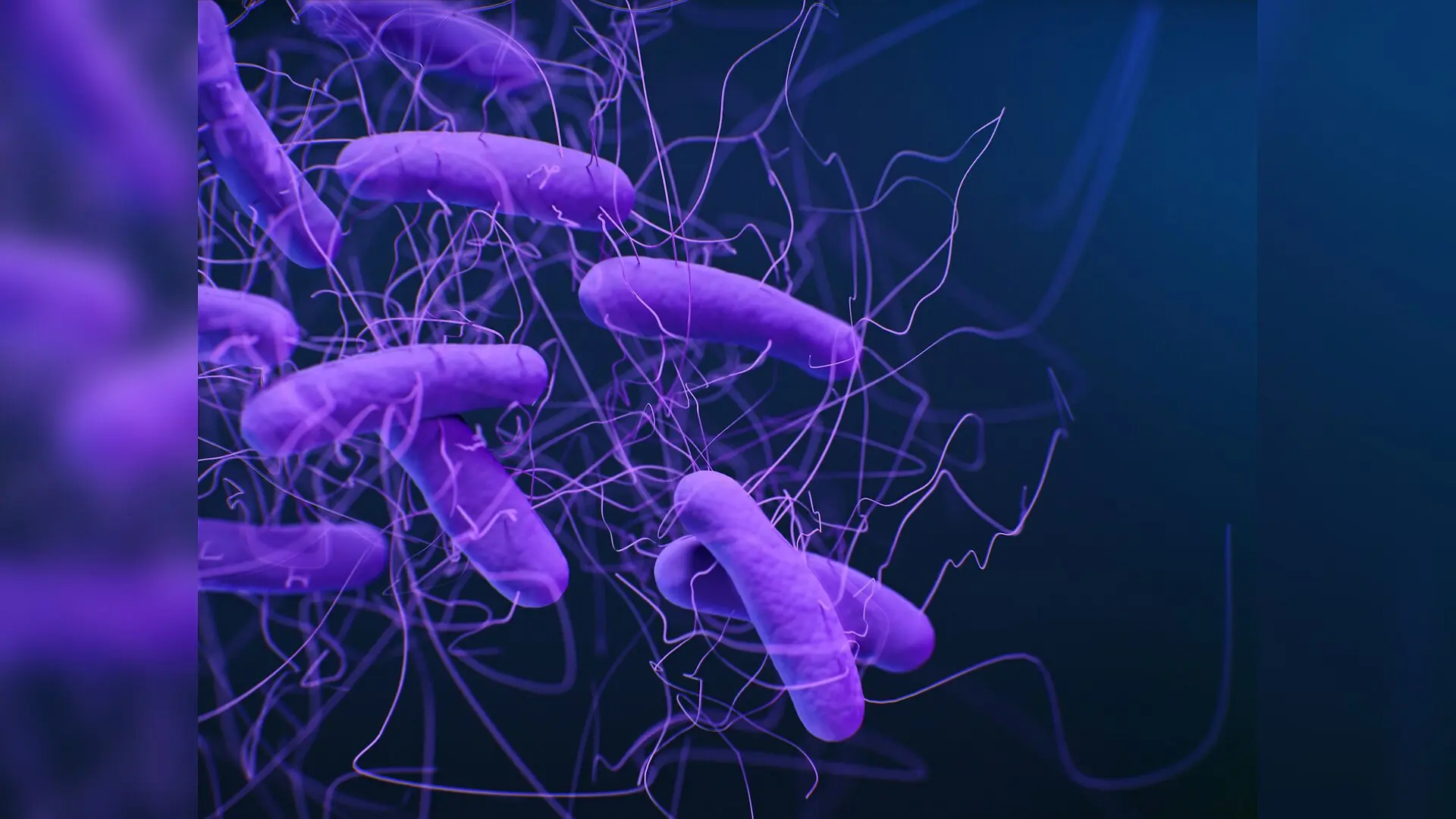
Genetically engineered Lactococcus lactis bacteria produce keratinocyte growth factor to repair thinning vaginal tissue without hormones, addressing a common condition affecting up to 87 percent of postmenopausal women. The approach uses a beneficial bacterium commonly found in fermented foods to deliver therapeutic proteins directly to mucosal surfaces, potentially offering a non-hormonal alternative for vaginal atrophy.
Vaginal atrophy involves the thinning and shrinking of epithelial tissue due to declining estrogen levels, leading to dryness, inflammation, and increased vulnerability to infections. While topical estrogen creams provide relief, they can enter the bloodstream and are often restricted for women with a history of hormone-sensitive cancers. The study was published in Frontiers in Bioengineering and Biotechnology by Alessia Traversa and colleagues at Sapienza University, exploring whether a modified bacterial strain could stimulate tissue repair locally.
How Bacterial Secretion Restores Epithelial Health
The research team inserted the human gene for keratinocyte growth factor into a plasmid vector inside Lactococcus lactis, a safe bacterium widely used in dairy production. Using a food-grade induction system controlled by the antimicrobial peptide nisin, the bacteria were prompted to synthesize and secrete the active growth factor into their culture medium. When applied to human vaginal epithelial cells, this conditioned medium triggered biological responses similar to those stimulated by estrogen, but through a distinct cellular receptor.
Cellular Signaling and Proliferation Dynamics
Treating human vaginal cells with the growth-factor-rich bacterial supernatant activated key intracellular signaling pathways, specifically increasing the phosphorylation of ERK1/2 and Akt proteins. Within 24 hours of exposure, treated cells showed a significant increase in the proliferation marker Ki67, alongside the upregulation of cell cycle proteins cyclin D1 and cyclin B1. Metabolic activity also increased markedly, confirming that the bacterial secretions actively promoted cell growth without causing cytotoxicity.
Differentiation and Barrier Integrity Improvements
Following the initial proliferative boost, longer exposure times induced the expression of keratinocyte differentiation markers, including keratin 1 and transglutaminase 1. Furthermore, the treatment upregulated genes responsible for structural integrity, such as occludin, tight junction protein 1, E-cadherin, and desmoglein 1. These molecular changes suggest that the engineered bacterial product helps reinforce cell-to-cell adhesion and rebuilds the protective mucosal barrier.
Limitations and Future Translational Steps
While the laboratory results demonstrate favorable effects on cultured cells, the authors note that several challenges remain before clinical application. The experiments were conducted entirely in vitro, meaning validation in three-dimensional tissue models and animal studies will be necessary. Additionally, delivery mechanisms such as mucoadhesive hydrogels and the persistence of the bacterial strain in the vaginal environment require further investigation.
The research was published in Frontiers in bioengineering and biotechnology on November 28, 2026.
This article has been fact checked for accuracy, with information verified against reputable sources. Learn more about us and our editorial process.
Last reviewed on .
Article history
- Latest version
Cite this page:
- Posted by Rohan Kumar