Researchers Build A Drug Inducible Gene System For Fungi, And How It Controls Protein Production
A newly engineered artificial transcription factor bypasses host cell metabolism to give scientists precise control over fungal bioproduction.
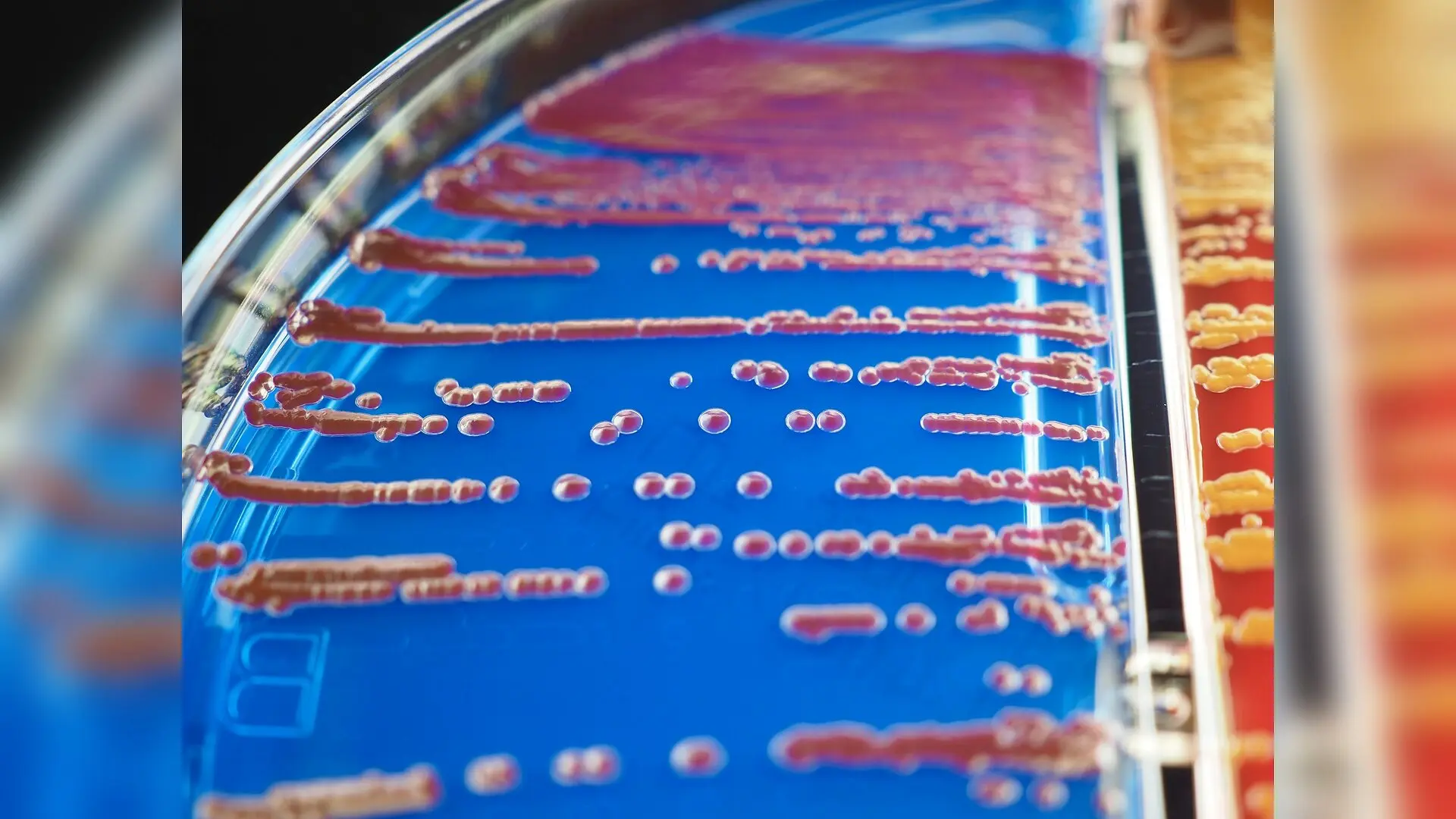
Researchers developed a new drug-inducible gene expression system for filamentous fungi that operates independently of the host cell’s native metabolism, addressing a long-standing challenge in biotechnology. The study, published in Fungal Biology and Biotechnology on 26 November 2026, outlines a versatile tool designed by M. Yokoyama and colleagues from their respective institutions to improve the precise control of valuable compound production in molds such as Aspergillus oryzae.
How Can Biotechnology Improve Fungal Protein Production?
Filamentous fungi are widely used across industries because they possess a high protein secretion capacity and require low cultivation costs. These organisms manufacture enzymes, pharmaceutical proteins, and other valuable biochemicals at scale. However, engineers need precise control over when and how much of a specific protein is made during a fermentation run.
For years, molecular biology tools relied heavily on regulatory systems tied directly to the host cell’s metabolism. These metabolism-dependent methods often introduce unintended metabolic shifts, making it difficult to separate growth phases from production phases. The new system aims to bypass these limitations by utilizing an artificial transcription factor that responds to external chemical signals without interfering with normal cellular pathways.
What Makes The Artificial Transcription Factor Work?
The research team built an engineered system centered around an artificial transcription factor called XEV, which combines specific functional domains. This chimeric protein consists of the LexA DNA-binding domain derived from the bacterium Escherichia coli, coupled with regulatory components that respond to specific chemical inducers. When the drug is introduced into the culture medium, XEV binds to designated DNA sequences to switch target genes on or off with high precision.
This approach allows investigators to tune gene activity across a broad dynamic range by simply adjusting the concentration of the inducing drug. Because the regulatory mechanism functions independently of primary carbon or nitrogen metabolism, the host cells maintain more stable physiological states during production runs. This decoupling helps researchers measure biological processes more accurately and design bioproduction workflows that are less prone to metabolic interference.
What Are The Limits Of This Inducible System?
While the laboratory tests demonstrate successful expression control in Aspergillus oryzae, translating such laboratory tools to large-scale industrial bioreactors presents distinct challenges. Factors such as chemical diffusion rates, inducer costs, and potential toxicity effects at higher drug concentrations must be evaluated for each specific industrial strain. Furthermore, the efficiency of the LexA-based system can vary depending on the chromosomal integration site and the specific promoter architecture used in the fungal host.
The authors suggest that establishing this metabolism-independent framework provides a foundation for future metabolic engineering projects across various filamentous fungal species. Future work will determine how well the system performs under high-density fermentation conditions and whether additional chemical inducers can be integrated into the platform for multi-gene control.
The research was published in Fungal biology and biotechnology on November 26, 2026.
This article has been fact checked for accuracy, with information verified against reputable sources. Learn more about us and our editorial process.
Last reviewed on .
Article history
- Latest version
Reference(s)
- Yokoyama, Masaki., et al. “A synthetic biology tool that utilizes β-estradiol to enable tight and tunable gene expression in aspergilli with a wide dynamic range.” Fungal Biology and Biotechnology, vol. 13, no. 1, November 26, 2026 Springer Science and Business Media LLC, doi: 10.1186/s40694-026-00230-2. <https://doi.org/10.1186/s40694-026-00230-2>.
Cite this page:
- Posted by Rohan Kumar