Engineered Bacteria Turn Cheap Amino Acids Into Valuable Heart Medicine
A newly optimized microbial cascade system converts common L-tyrosine into high yields of the cardiovascular drug precursor danshensu.
Scientists have engineered common bacteria to turn inexpensive amino acids into a valuable heart medication precursor with unprecedented efficiency. By rewiring the internal machinery of Escherichia coli, a team of researchers successfully produced large quantities of danshensu, a natural compound widely relied upon for treating cardiovascular and cerebrovascular conditions.
Danshensu, also known as salvianic acid A, is a potent water-soluble antioxidant and anti-inflammatory agent. Traditionally extracted from the roots of the traditional medicinal plant Salvia miltiorrhiza, the supply is severely bottlenecked by slow plant growth, complex purification steps, and chemical waste. Alternative chemical synthesis methods face similar hurdles, including multi-step reactions and poor control over molecular stereochemistry. To bypass these limitations, researchers have increasingly turned to synthetic biology and whole-cell biotransformation, a method where living cells act as biological factories under mild, eco-friendly conditions.
The new study, published in PLOS One, details how a team led by investigators at Xinyang Normal University designed a multi-enzyme cascade system inside laboratory strains of Escherichia coli. Instead of relying on expensive starting materials like L-DOPA or catechol, the team engineered the microbes to use L-tyrosine, a naturally abundant and inexpensive amino acid substrate.
How Researchers Re-Engineered Bacteria for Drug Synthesis
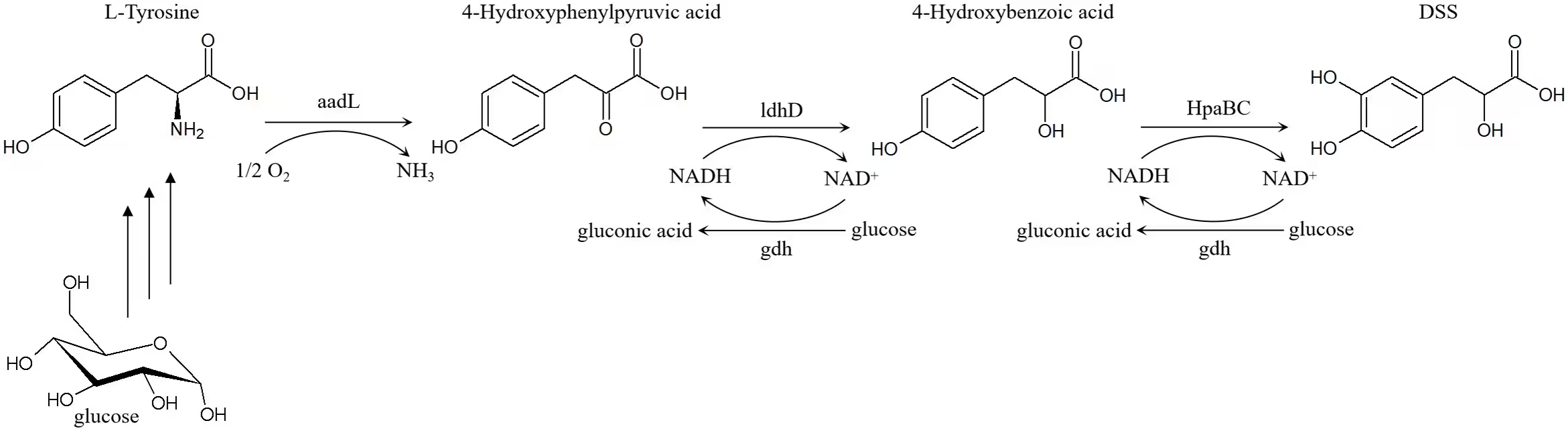
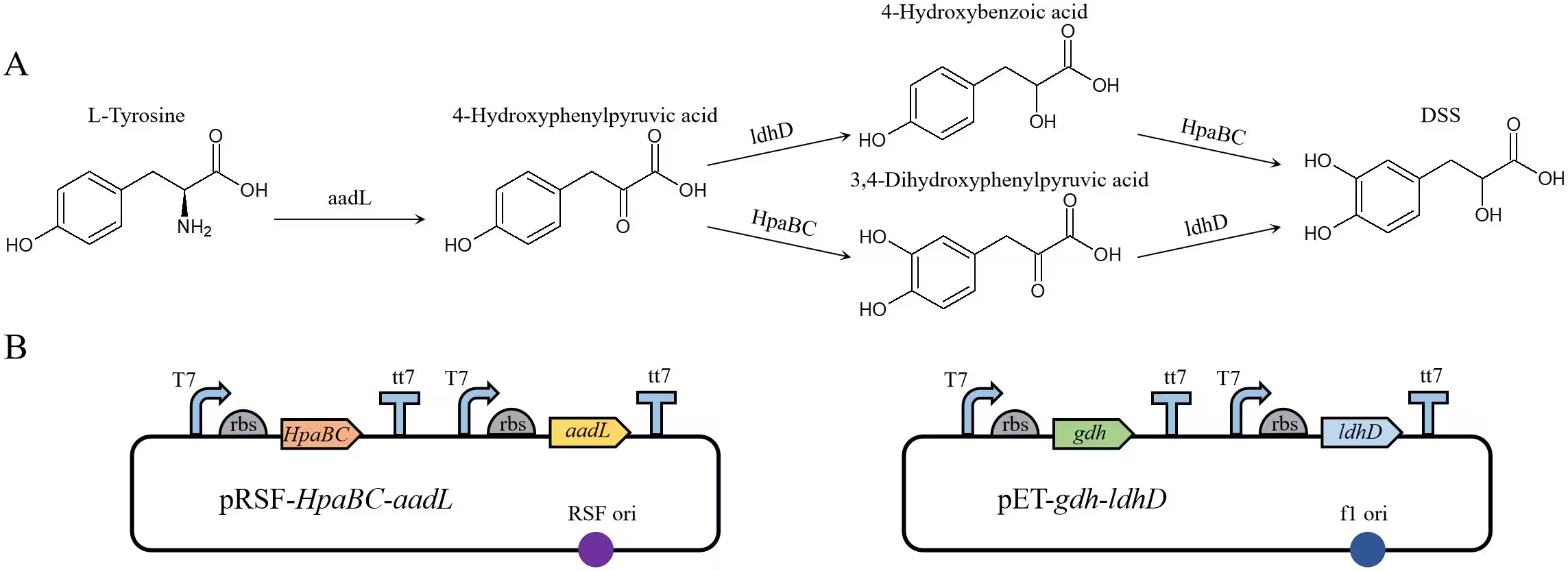
To construct the biosynthetic pathway, the team introduced four key enzymes into the bacteria: 4-hydroxyphenylacetate 3-monooxygenase, L-amino acid deaminase, glucose dehydrogenase, and D-lactate dehydrogenase. These enzymes work in a coordinated bucket brigade to convert L-tyrosine step-by-step into danshensu while recycling essential cellular cofactors.
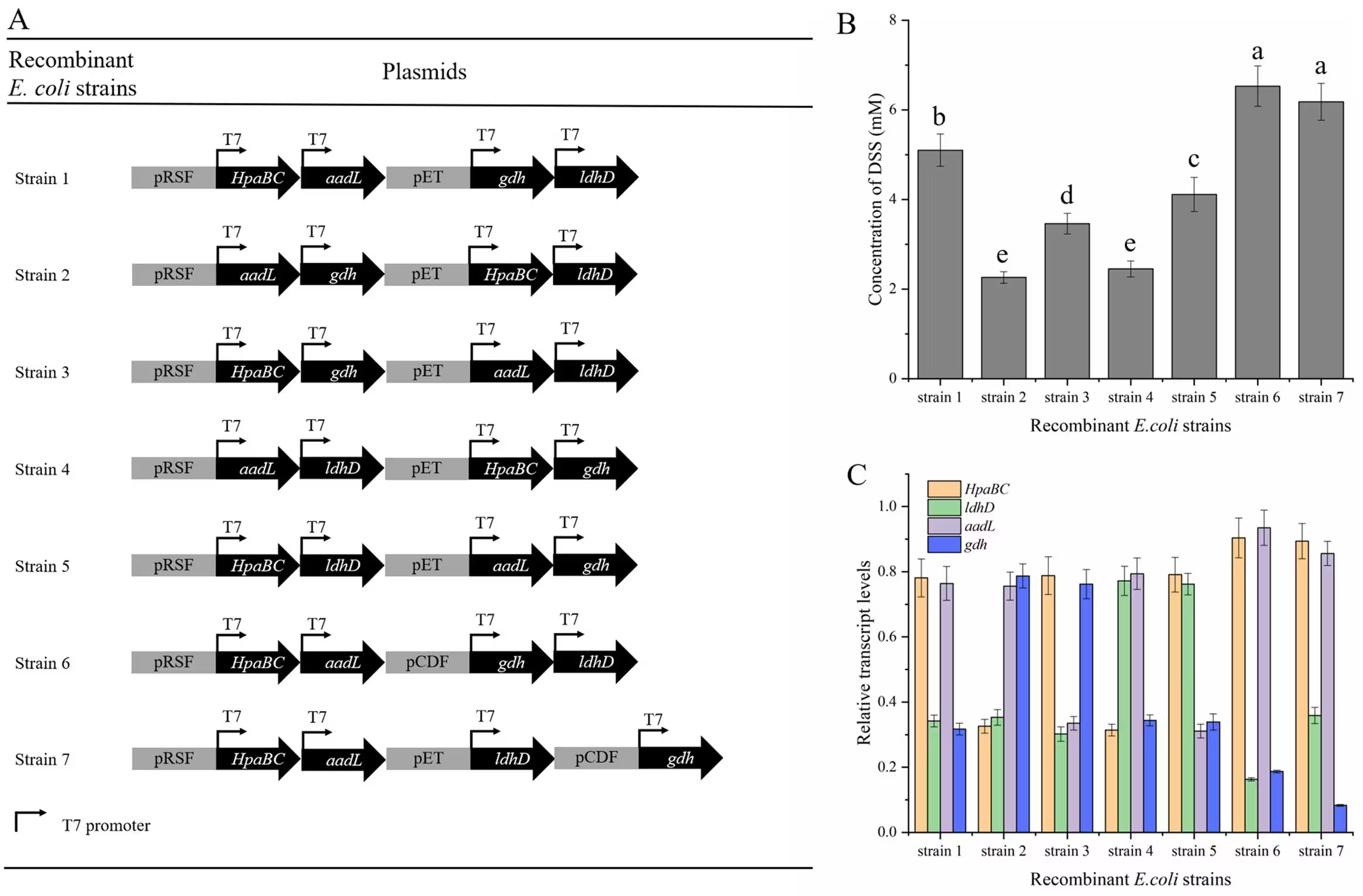
Initial laboratory tests yielded 5.1 millimoles of danshensu per liter. However, the researchers discovered that the production rate was limited by unequal protein expression levels among the introduced genes. To overcome this, the team fine-tuned the system by distributing the genes across plasmids with varying copy numbers. By pairing high-copy-number plasmids for sluggish enzymes with low-copy-number plasmids for others, the team balanced the metabolic flux and boosted yields.
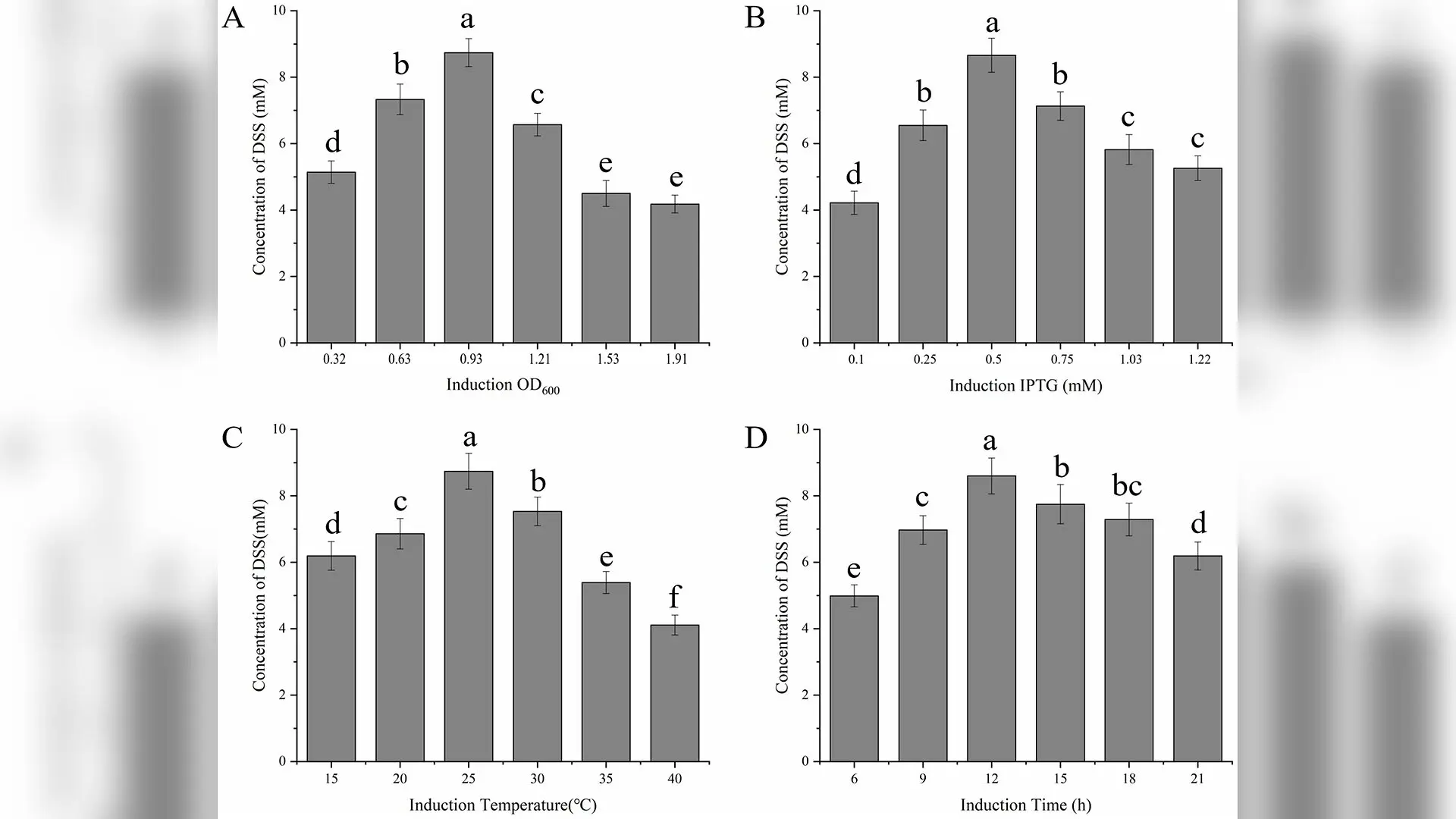
Further optimization of environmental and chemical triggers, including bacterial cell density, induction timing, temperature, and acidity, pushed flask yields even higher. The ideal whole-cell biotransformation temperature was found to be 35 degrees Celsius at a pH level of 7.5, resulting in a flask yield of 8.66 millimoles per liter.
Scaling Up Production in Laboratory Bioreactors
To test the commercial viability of the engineered strains, the team scaled the process up into a 5-liter bioreactor containing a 1.5-liter working volume. Using their optimized strain, designated as strain 6, the system converted 25 millimoles of L-tyrosine into an impressive 19.47 millimoles of danshensu within 32 hours.
Analysis of the bioreactor run revealed that while the process was remarkably efficient, minor intermediate compounds still accumulated during the reaction. This observation indicates that certain enzymatic steps, particularly those involving 4-hydroxyphenylacetate 3-monooxygenase and L-amino acid deaminase, remain rate-limiting.
Next Steps and Future Improvements
While the whole-cell biotransformation strategy offers a cleaner, greener alternative to traditional extraction and chemical synthesis, the authors note that further refinement is needed. The current study relied on single-factor optimization experiments, which cannot easily account for complex interactions between variables like inducer concentration and temperature.
Future investigations will likely employ multivariate statistical models to map these interactions and further enhance the expression strategy. If successfully scaled, this biological approach could provide a reliable, sustainable supply of danshensu and its valuable derivatives for modern pharmaceutical applications.
The research was published in PLOS One on October 23, 2026.
This article has been fact checked for accuracy, with information verified against reputable sources. Learn more about us and our editorial process.
Last reviewed on .
Article history
- Latest version
Reference(s)
- Xiong, Tianzhen., et al. “Multienzyme cascade biotransformation of L-Tyrosine to Danshensu by engineered Escherichia coli.” PLOS One, vol. 21, no. 10, October 23, 2026, pp. e0361484 Public Library of Science (PLoS), doi: 10.1371/journal.pone.0361484. <https://doi.org/10.1371/journal.pone.0361484>.
Cite this page:
- Posted by Robert Brown