Chinese Researchers Reveal How 3 Lymph Node Networks Control Cancer Metastasis and Patient Immune Response
A new framework shows that tumor-draining lymph nodes act as dynamic immune niches rather than passive highways for spreading cancer cells.
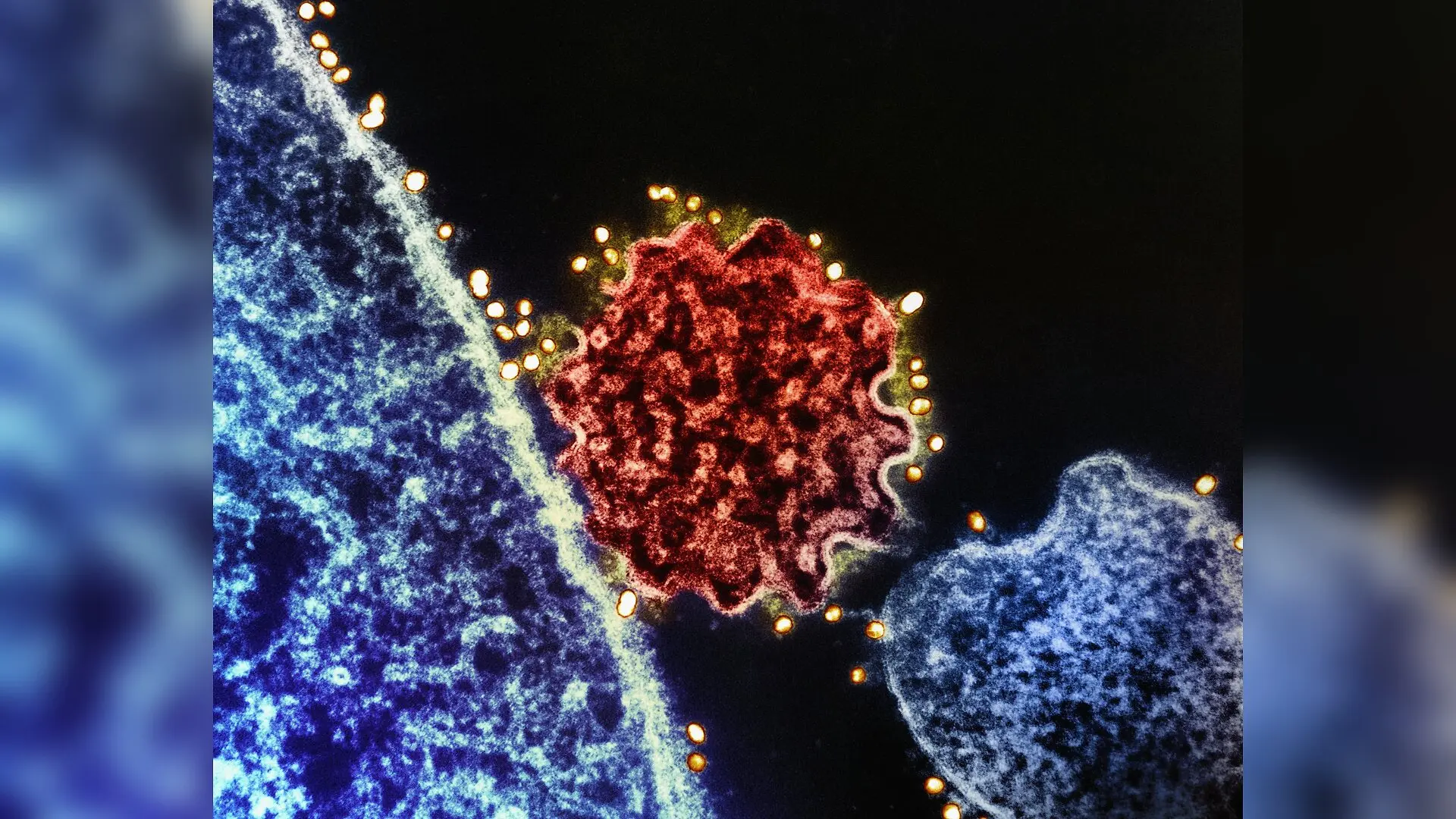
Researchers led by a team from China have revealed that tumor-draining lymph nodes act as active immune environments that can either support anticancer defenses or foster metastatic spread, depending on the biological state of the tissue. The comprehensive analysis, published in MedComm, re-evaluates the classical view that lymph nodes are merely passive relay stations for traveling cancer cells.
How Do Lymph Nodes Shape Cancer Progression?
For decades, standard cancer treatment involved surgically removing nearby lymph nodes based on the assumption that they served only as physical highways for escaping tumor cells. Lymph node metastasis, the spread of cancer to nearby nodes, remained a primary measure of cancer staging and recurrence risk. Now, high-dimensional cellular profiling and spatial imaging indicate that these regional nodes are complex ecosystems where immune cells, blood vessels, and tumor elements interact continuously.
What Are the Three Core Regulatory Networks?
The authors organize nodal biology into three interacting axes that determine whether a lymph node becomes a protective immune reservoir or a metastatic sanctuary. The first axis, lymphatic gatekeeping, governs fluid drainage and the migration of dendritic cells, which are specialized immune cells that present foreign antigens to activate other defenses. The second axis involves immune-metabolic competition, where tumor cells and immune cells vie for nutrients and oxygen within the tissue microenvironment. The third axis focuses on stromal and architectural remodeling, which dictates whether the internal structure of the lymph node remains organized enough to support effective immune responses.
Why Does Treatment Timing Matter for Patients?
Traditional surgical management often removes the entire nodal basin without considering its potential to support modern immunotherapy. When administered before surgery, treatments such as checkpoint inhibitors rely on intact draining lymph nodes to prime tumor-reactive T cells. However, if a lymph node is already heavily colonized by cancer cells, it can develop an immunosuppressive sanctuary that protects the tumor and promotes further dissemination. The review emphasizes that treatment sequence and nodal status must be evaluated together to optimize patient outcomes without compromising oncologic safety.
What Are the Limits of Current Clinical Models?
The authors caution that most insights into nodal reprogramming derive from preclinical models and early-phase clinical studies rather than established pan-cancer standards. Tumors differ widely in their baseline immunogenicity, viral associations, and metabolic dependencies, meaning that findings from melanoma or mismatch repair-deficient colorectal cancer cannot be directly applied to less immunogenic malignancies like pancreatic ductal adenocarcinoma. Prospective clinical trials are still required to validate whether preserving or therapeutically re-educating lymph nodes can safely replace aggressive surgical clearance in selected patient populations.
The research was published in MedComm on November 25, 2026.
This article has been fact checked for accuracy, with information verified against reputable sources. Learn more about us and our editorial process.
Last reviewed on .
Article history
- Latest version
Reference(s)
- Wan, Kairui., et al. “Lymph Node Metastasis at the Tumor–Immune Interface: Mechanistic Networks, Bidirectional Biology, and Clinical Translation.” MedComm, vol. 7, no. 12, November 25, 2026 Wiley, doi: 10.1002/mco2.71166. <https://doi.org/10.1002/mco2.71166>.
Cite this page:
- Posted by Tariq Hassan