Uppsala University Researchers Reveal How 3 Immunotherapy Drugs Extend Protein Lifespan, And What It Means For Cancer Patients
Tracking 24 lung cancer patients over 6 months shows that therapy-specific antibody binding keeps target proteins circulating longer than expected.

Lung cancer patients receiving specific immunotherapy drugs experience unexpected surges in circulating protein markers because the therapeutic antibodies latch onto their targets and artificially extend their lifespan in the bloodstream. Patrick Micke and colleagues at Uppsala University tracked 24 patients over 6 months to reveal how different drugs directly shape molecular levels.
Immunotherapy uses engineered proteins called monoclonal antibodies to help the immune system recognize and attack cancer cells. Drugs such as pembrolizumab and nivolumab block a receptor protein known as PD-1, while atezolizumab targets its matching ligand partner called PD-L1. For years, scientists noticed that levels of these soluble receptor and ligand targets rise sharply in patient blood after treatment begins, but the physical cause remained unclear.
How Did Researchers Track Protein Levels Over 6 Months?
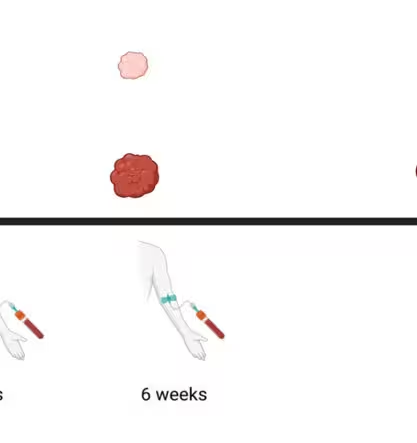
The team analyzed blood plasma samples retrieved from the U-CAN biobank in Sweden, focusing on individuals diagnosed with advanced lung cancer. The study, published in npj drug discovery, evaluated protein concentrations using high-sensitivity multiplex immunoassay technologies including Olink proximity extension assays and Meso Scale Discovery electrochemiluminescence. Plasma samples were collected at baseline, 3 weeks, 6 weeks, and 6 months after therapy started.
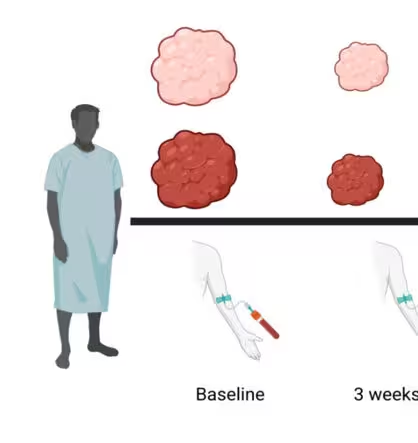
By comparing patients receiving different monotherapies, the researchers mapped precise longitudinal trajectories for each target molecule. Statistical modeling accounted for clinical variables such as patient age, smoking history, and tumor stage to isolate the effect of the specific drug administered.
Why Do Pembrolizumab and Atezolizumab Alter Blood Proteins Differently?
The protein surges depend entirely on which drug a patient receives, pointing directly to a pharmacological half-life extension mechanism. Patients treated with pembrolizumab or nivolumab showed significant increases in soluble PD-1, whereas patients receiving atezolizumab showed elevated levels of soluble PD-L1 instead.
High-affinity therapeutic antibodies of the IgG class typically circulate in the human body for about 21 days. When these large antibodies bind to shed receptors or ligands in the blood, they form stable immune complexes that prevent the smaller target proteins from breaking down quickly, keeping them in circulation much longer than usual.
What Are the Clinical Risks of Antibody Target Binding?
Uncovering this half-life extension mechanism raises important questions about how these drugs perform during the initial weeks of treatment. If a patient starts therapy with high circulating levels of soluble targets, those free targets might trap the incoming therapeutic antibodies before they ever reach the tumor cells on the surface of cancer tissue.
This phenomenon, sometimes called a sink effect, could mean that no free antibody remains available to exert its primary immune-activating function during early treatment cycles. Additional studies measuring the exact ratio of free versus bound drug in patient blood will determine if initial dosing adjustments are necessary for individuals with high baseline soluble target levels.
The research was published in npj drug discovery on November 26, 2026.
This article has been fact checked for accuracy, with information verified against reputable sources. Learn more about us and our editorial process.
Last reviewed on .
Article history
- Latest version
Reference(s)
- Micke, Patrick., et al. “Therapeutic antibodies targeting PD-1 or PD-L1 impact the circulation time of soluble checkpoint receptor/ligand targets.” npj Drug Discovery, vol. 3, no. 1, November 26, 2026 Springer Science and Business Media LLC, doi: 10.1038/s44386-026-00099-6. <https://doi.org/10.1038/s44386-026-00099-6>.
Cite this page:
- Posted by Susan White