Global Cancer Researchers Reveal How Modern Immunotherapy Transforms Limited-Stage Small Cell Lung Cancer Care
Recent clinical trials show durvalumab extends median survival past 55 months, yet resource disparities threaten global access.
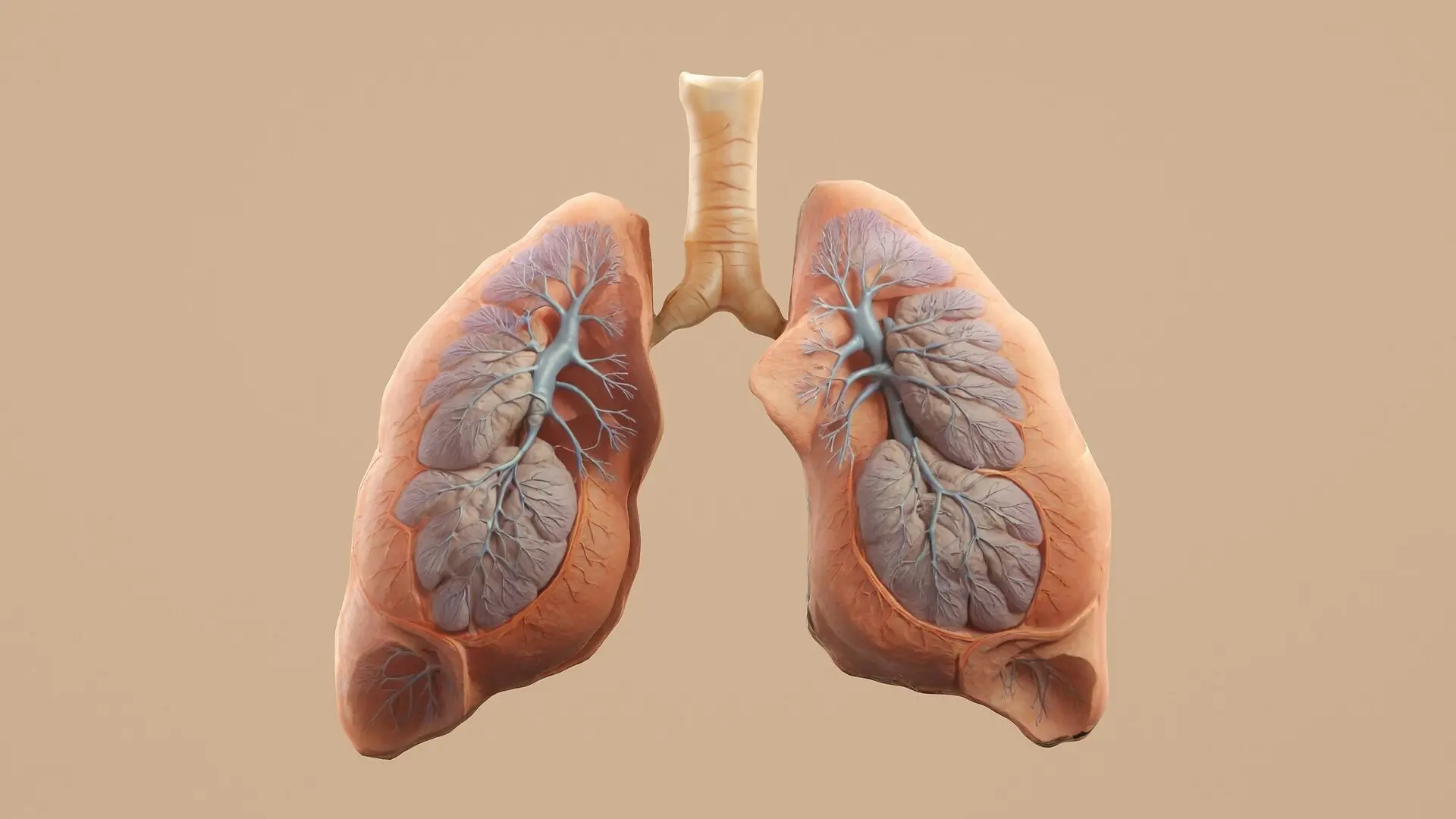
Lung cancer specialists revealed that limited-stage small cell lung cancer, an aggressive form of respiratory tract malignancy that remains confined to one side of the chest, carries a median survival of about 15 months with historical treatments, while contemporary trials point to substantial improvements when immunotherapy follows standard chemoradiotherapy.
Lung cancer remains the leading cause of cancer deaths worldwide, responsible for nearly 2.5 million new diagnoses in 2022 alone. The disease primarily appears in two forms, where non-small cell lung cancer makes up the vast majority of diagnoses, and small cell lung cancer represents about 10% to 15% of all cases. Small cell lung cancer progresses rapidly and often spreads early, making it a major challenge for oncologists globally. Approximately 30% to 40% of patients present with disease confined to the chest, known as limited-stage disease, making them candidates for treatments with curative intent.
How Global Disparities Impact Survival Rates in Low-Income Regions
For years, medical guidelines derived from high-income nations shaped lung cancer care globally. Now, researchers note that these protocols fail to match reality in low- and middle-income countries, where more than 60% of patients present with advanced stage disease involving bulky lymph nodes. In India, for example, only 26.7% of patients have limited-stage disease at the time of diagnosis. A review published in Cureus highlights that limited diagnostic infrastructure, a scarcity of trained thoracic surgeons, and financial barriers prevent patients from receiving timely multimodal care.
Why Chemoradiotherapy Remains the Backbone of Treatment
When patients receive an early diagnosis, platinum-based chemotherapy combined with thoracic radiation serves as the standard therapeutic approach. Radiation therapy helps control the tumor locally, while chemotherapy targets microscopic cancer cells throughout the body. While doctors traditionally favored cisplatin, carboplatin offers a practical alternative with fewer hospitalizations and reduced toxicity, making it particularly useful in resource-constrained healthcare systems. Radiation schedules typically involve twice-daily fractions of 45 grays, though once-daily regimens are frequently employed to accommodate logistical and facility constraints.
What Consolidation Immunotherapy Achieves in Clinical Trials
Recent advancements have introduced immunotherapy agents into the treatment paradigm to extend remission times. In the phase III ADRIATIC trial, researchers evaluated consolidation durvalumab, a specialized monoclonal antibody designed to block programmed death-ligand 1, administered to patients whose disease did not progress after concurrent chemoradiotherapy. Patients receiving durvalumab experienced a median overall survival of 55.9 months, compared with 33.4 months for those receiving a placebo, alongside a 27% reduction in the risk of death.
Which Healthcare Hurdles Threaten Global Implementation
Despite these clinical trial successes, introducing expensive consolidation therapies, advanced imaging like magnetic resonance imaging, and specialized radiation techniques into resource-limited settings remains challenging. High acquisition costs, limited drug reimbursement, and a shortage of oncology professionals threaten to widen global disparities in cancer survival. Experts emphasize that successful implementation requires phased integration, improved early detection through mobile low-dose computed tomography screening, and strengthened public health policies focused on smoking cessation.
The research was published in Cureus on November 27, 2026.
This article has been fact checked for accuracy, with information verified against reputable sources. Learn more about us and our editorial process.
Last reviewed on .
Article history
- Latest version
Cite this page:
- Posted by David Anderson