Brazilian Schools With Better Infrastructure Record Lower Rates Of Tooth Decay Among 488 Children
Family poverty nearly doubles dental disease severity, highlighting the need for multilevel public health strategies.
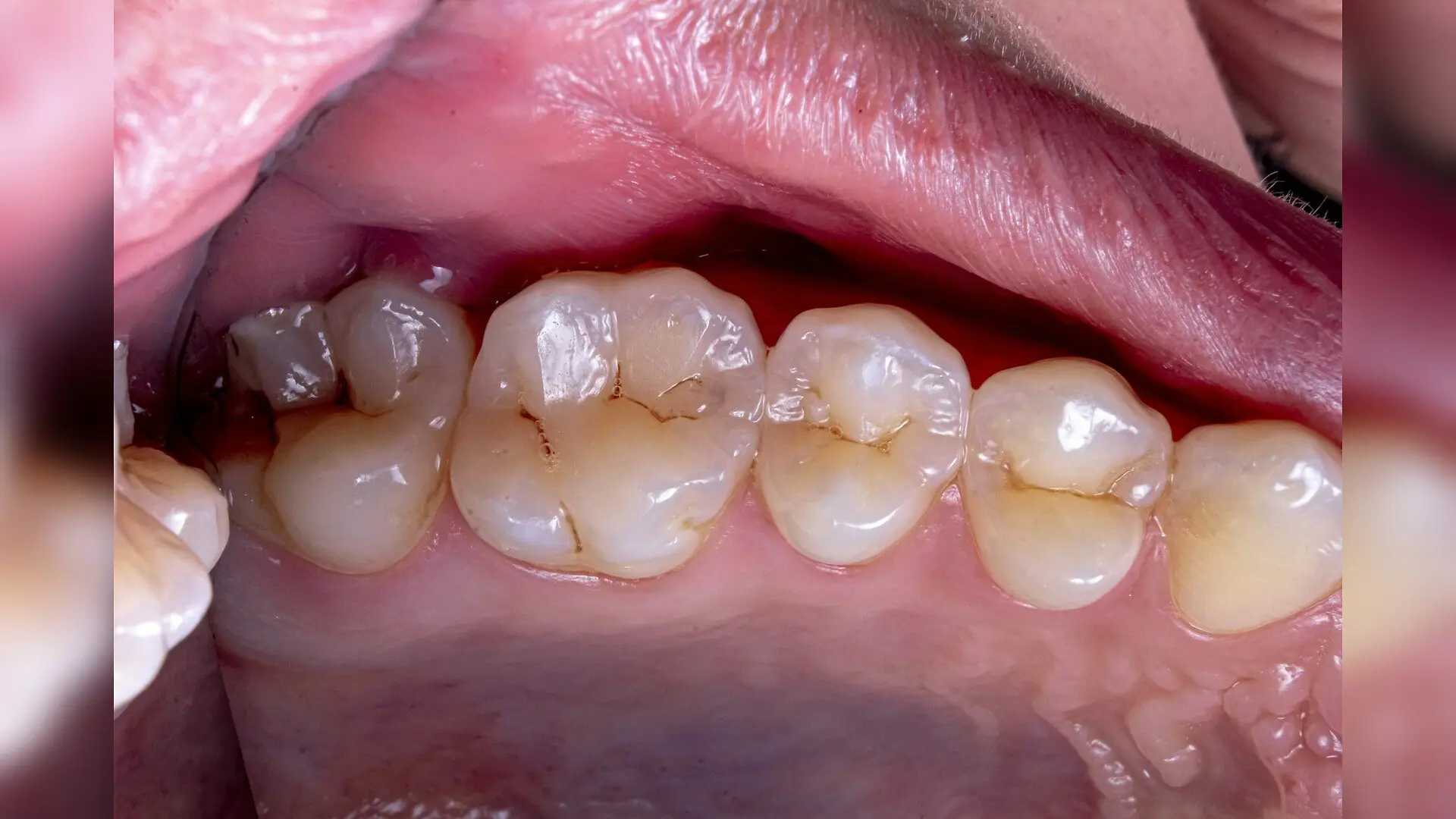
Researchers in Brazil evaluated 488 schoolchildren aged 7 to 17 years and found that better school infrastructure is associated with lower rates of dental decay, while extreme family poverty significantly increases oral disease severity. The study, published in Brazilian Oral Research, highlights how both school environments and household income shape children’s dental health.
Dental caries, commonly known as tooth decay, remains one of the most widespread chronic conditions affecting children worldwide. Traditional prevention strategies typically focus on individual behaviors like brushing and sugar intake, but modern public health research increasingly looks at broader contextual factors. These include the physical condition of local institutions and family socioeconomic status, which can create barriers to preventive care.
How Did School Conditions Protect Students From Tooth Decay?
The cross-sectional investigation was conducted between April and December 2019 across 13 public elementary schools operated by the municipality of Estância Velha in Rio Grande do Sul. Lucelen Fontoura Bastos and colleagues examined students using standard World Health Organization criteria and the International Caries Detection and Assessment System, which identifies noncavitated white spot lesions representing early, reversible stages of decay. The researchers evaluated school environments using an additive score ranging from 0 to 7 based on physical amenities such as playgrounds, sports courts, libraries, science laboratories, and computer rooms.
The overall prevalence of dental caries experience across the entire participant group reached 32.3%, with an average of 0.66 decayed, missing, or filled teeth per child, and an average of 2.90 initial carious lesions per child. Statistical models revealed that attending a school with higher infrastructure scores was associated with a 14% lower prevalence of dental caries, a 20% lower caries severity, and a 14% lower burden of early carious lesions. The authors note that better school infrastructure may reflect greater institutional capacity to provide supportive learning environments and encourage healthier daily routines.
Why Did Extreme Poverty Drive Higher Caries Severity?
While school facilities offered a protective effect, household economic conditions exerted a powerful influence on individual disease outcomes. After adjusting for school-level variables, children from families participating in the Bolsa Família Program, which serves as a marker of extreme poverty in Brazil, showed a 54% higher prevalence of dental caries and an 80% higher caries severity. Additionally, children belonging to social classes D and E experienced a higher prevalence of caries compared to more affluent peers.
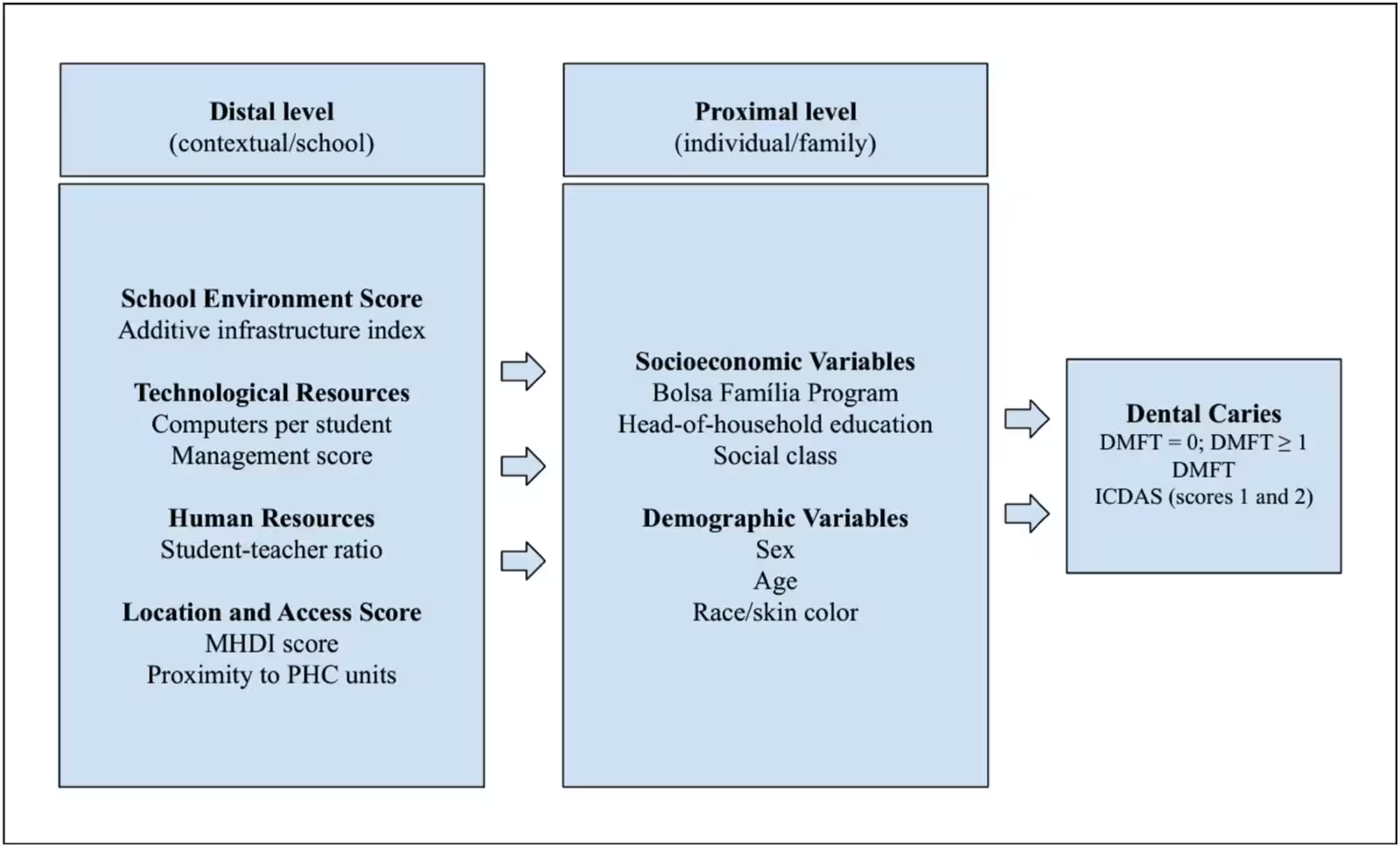
The investigators suggest that modest income transfers alone may be insufficient to modify the structural conditions necessary for a healthy life, such as adequate nutrition and housing. The high prevalence of early white spot lesions across the entire sample indicates that the biological challenge of dental caries is common regardless of background, but structural social determinants heavily influence whether those initial lesions progress into advanced and irreversible stages.
What Limitations Did the Multilevel Analysis Reveal?
The study design relied on a cross-sectional approach, which prevents researchers from establishing direct cause and effect relationships. Furthermore, the inclusion of only public schools within a single municipality may limit how broadly these conclusions can be applied to other regions or private institutions. The models also did not measure specific dietary sugar consumption or individual oral hygiene habits, meaning unmeasured behavioral factors could account for some of the remaining data variance.
Despite these constraints, the integration of both individual and school-level variables provides a clearer picture of oral health inequalities than traditional single-level assessments. The findings suggest that public health initiatives must move beyond simple educational campaigns and address both community infrastructure and socioeconomic vulnerability to effectively reduce dental disease among children.
The research was published in Brazilian oral research on November 20, 2026.
This article has been fact checked for accuracy, with information verified against reputable sources. Learn more about us and our editorial process.
Last reviewed on .
Article history
- Latest version
Reference(s)
- Bastos, Lucelen Fontoura., et al. “School environment and dental caries among schoolchildren: a multilevel analysis.” Brazilian Oral Research, vol. 40, January 1, 2026 FapUNIFESP (SciELO), doi: 10.1590/1807-3107bor-2026.vol40.107. <https://doi.org/10.1590/1807-3107bor-2026.vol40.107>.
Cite this page:
- Posted by Sana Malik