Brazilian Health Study Tracks Adult Obesity Surge To 61 Percent, And Reveals What Else Shifted Over Decades
A multi-decade national health audit reveals rising chronic diseases and shifting nutritional burdens across Brazil.

A comprehensive national health audit tracking trends from 1989 to 2023 reveals that adult obesity rates in Brazil surged from 42.7% to 61.4%, while smoking dropped sharply.
The extensive analysis, published in the Revista Brasileira de Epidemiologia, was led by researcher Deborah Carvalho Malta from the Federal University of Minas Gerais alongside a large interinstitutional team. The study compiles decades of public health data to evaluate how lifestyle habits, chronic conditions, and social factors have shifted across the country over the years.
How Did Chronic Diseases Expand Across Brazil?
The study found that chronic health conditions became significantly more common among adults over the decades. The prevalence of hypertension rose from 22.5% in 2006 to 27.9% in 2023, while diabetes diagnoses nearly doubled, climbing from 5.7% to 10.2%.
Researchers note that these upward trends are likely connected to the aging population and rising obesity rates, even though access to medical treatment and diagnostic services has simultaneously expanded across the national healthcare system.
What Happened to Smoking and Alcohol Habits?
Public health policies achieved clear victories against tobacco, with current smokers falling from 15.7% in 2006 down to 9.3% in 2023. Electronic cigarette use remained stable at roughly 2.1% to 2.3% in recent years.
Conversely, heavy episodic alcohol consumption, defined as ingesting five or more alcoholic drinks on a single occasion, increased from 15.6% to 20.8%. The authors attribute rising alcohol consumption among women in part to targeted marketing strategies by beverage companies.
Why Are Children Facing Nutritional Shifts?
Childhood nutrition data revealed a complex mix of improvements and emerging threats. While exclusive breastfeeding during the first six months of life increased, and rates of stunting among young children dropped from 19.6% down to 7%, the double burden of malnutrition emerged as a growing concern.
The double burden refers to the simultaneous presence of nutritional deficits and excess weight within the same population. By 2019, this condition affected 13.1% of children under the age of 5 years, highlighting shifting dietary patterns.
What Do Violence and Childbirth Trends Reveal?
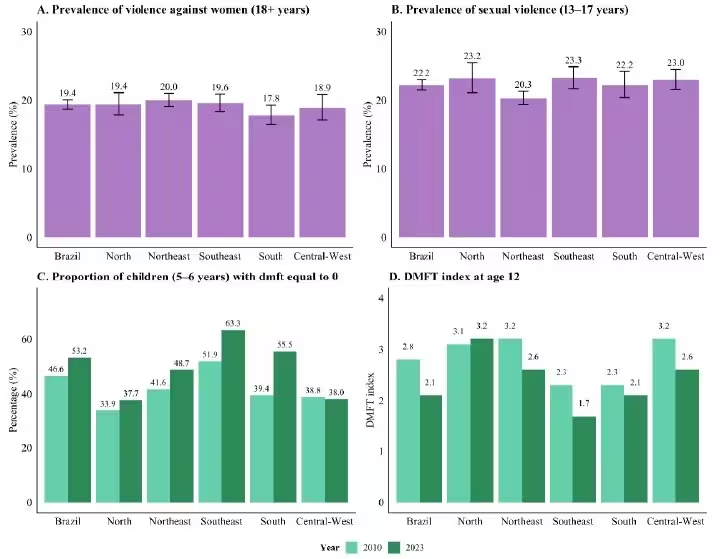
The health audit also incorporated crucial social indicators, revealing that approximately 19% of adult women experienced violence in the previous 12 months. Furthermore, 22% of adolescent girls reported experiencing sexual violence at some point in their lives, primarily within domestic settings.
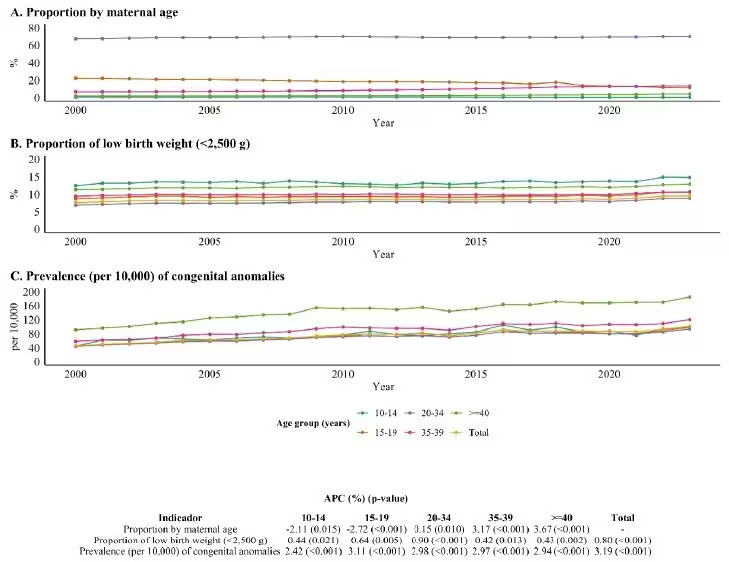
In parallel, birth demographics shifted significantly. Adolescent pregnancies declined, while childbirth among women aged 35 and older increased due to delayed family planning. However, researchers observed a simultaneous rise in low birth weight and congenital anomalies among older mothers.
The research was published in Revista brasileira de epidemiologia = Brazilian journal of epidemiology on November 20, 2026.
This article has been fact checked for accuracy, with information verified against reputable sources. Learn more about us and our editorial process.
Last reviewed on .
Article history
- Latest version
Reference(s)
- Malta, Deborah Carvalho., et al. “Risk and protective factor indicators of the interagency health information network: Temporal trends in Brazil.” Revista Brasileira de Epidemiologia, vol. 29, January 1, 2026 FapUNIFESP (SciELO), doi: 10.1590/1980-549720260059. <https://doi.org/10.1590/1980-549720260059>.
Cite this page:
- Posted by Susan White