Metalloenzyme Researchers Reveal That Substrates Actively Drive Oxygen Activation And Reshape Enzyme Catalysis
New mechanistic insights show that chemical substrates supply protons and electrons to form reactive oxygen intermediates, challenging traditional enzyme models.
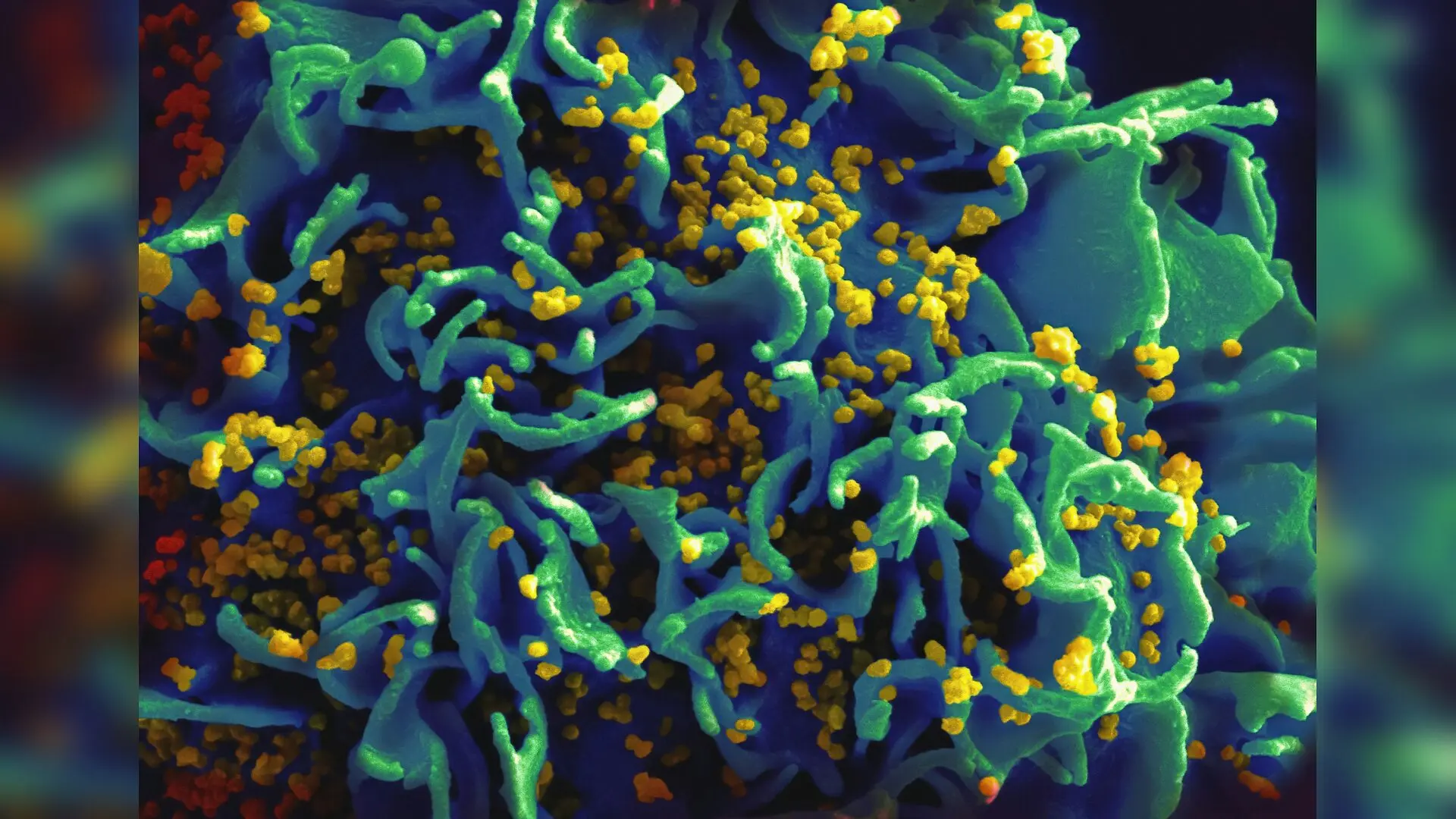
Researchers discovered that chemical substrates in metalloenzymes actively drive the creation of reactive oxygen intermediates instead of just waiting to be oxidized, reshaping textbook models of biological catalysis. Scientists from Shandong University and Xiamen University published in JACS Au that these molecular building blocks can directly supply protons, donate electrons, and organize water networks to spark oxygen activation.
How Do Substrates Replace Missing Protein Residues?
For years, textbooks taught that metal ions bind oxygen while surrounding protein structures handle the delicate task of proton delivery and chemical tuning. Now, mechanistic evidence shows that substrate molecules can step into these roles, functioning as essential proton buffers and relays. In specific enzyme systems, the substrate anchors itself to active site amino acids and directly assists in splitting hydrogen peroxide bonds.
This dynamic partnership allows enzymes lacking built-in acid-base machinery to function efficiently. When the substrate brings the right chemical groups into position, it bridges the gap and enables high-valent oxidant formation. Without this active participation from the incoming molecule, the catalytic engine would simply stall.
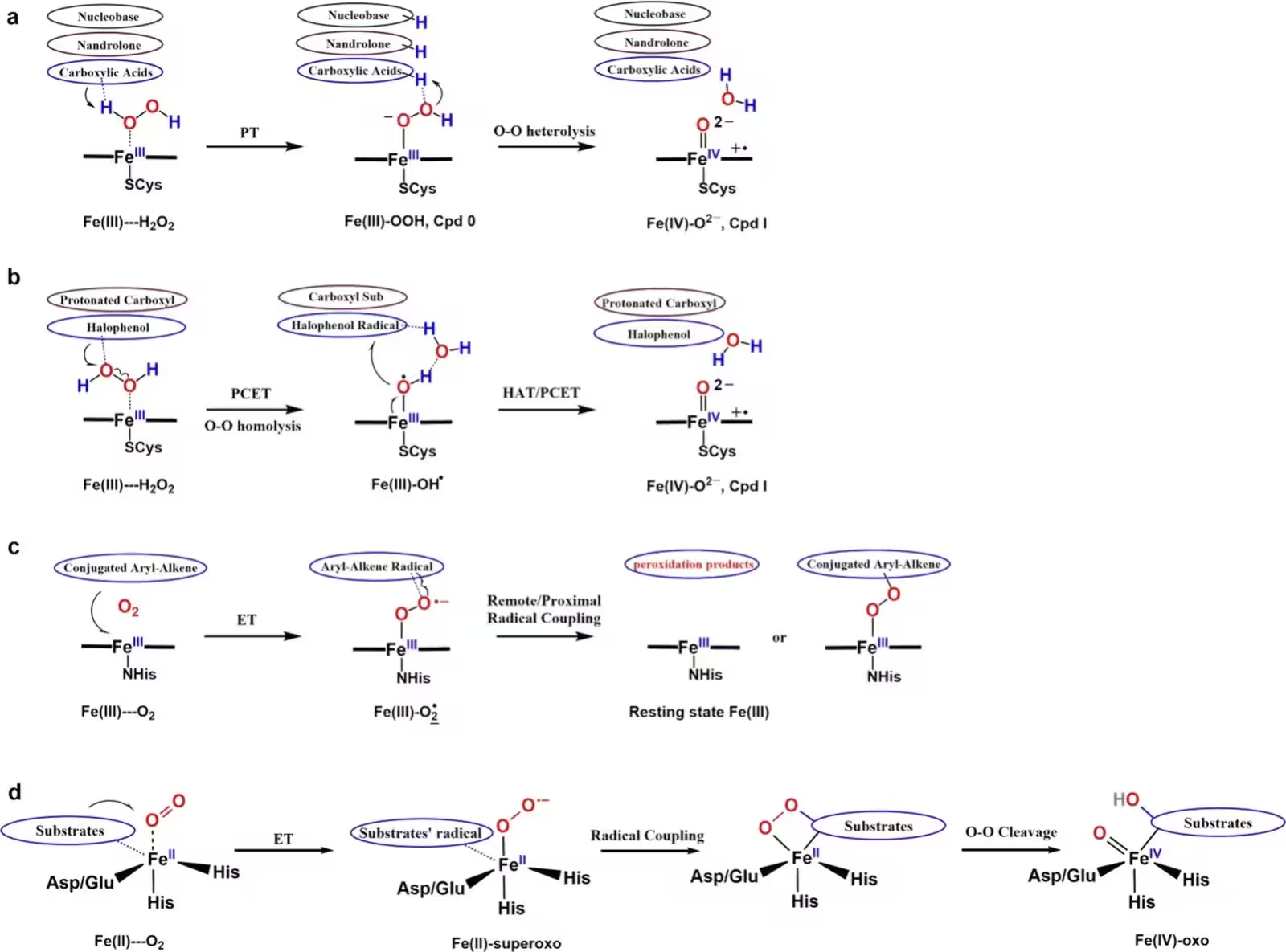
What Happens When Electron Donors Join Oxygen Activation?
Beyond managing protons, some substrates act as direct electron donors during oxygen cleavage in both heme and non-heme iron enzymes. In these oxygen-dependent reactions, the incoming molecule shares electron density with early metal-oxygen adducts. This intimate electronic coupling helps steer the reaction toward productive bond formation rather than letting the intermediates decay wastefully.
Researchers noted that this behavior transforms the substrate from a passive target into an active participant. By supplying reducing equivalents from its own structure, the molecule helps generate radical-coupled intermediates that drive complex oxidative transformations.
Can Coordination Dynamics Control Enzyme Reactivity?
In certain non-heme iron enzymes, substrate binding triggers dramatic structural remodeling of the iron active site. The incoming molecule coordinates directly with the metal center, establishing an electronic highway that channels electrons straight to the bound oxygen. This coordination shift ensures that the resulting ferryl species adopts the correct geometry for hydrogen atom transfer.
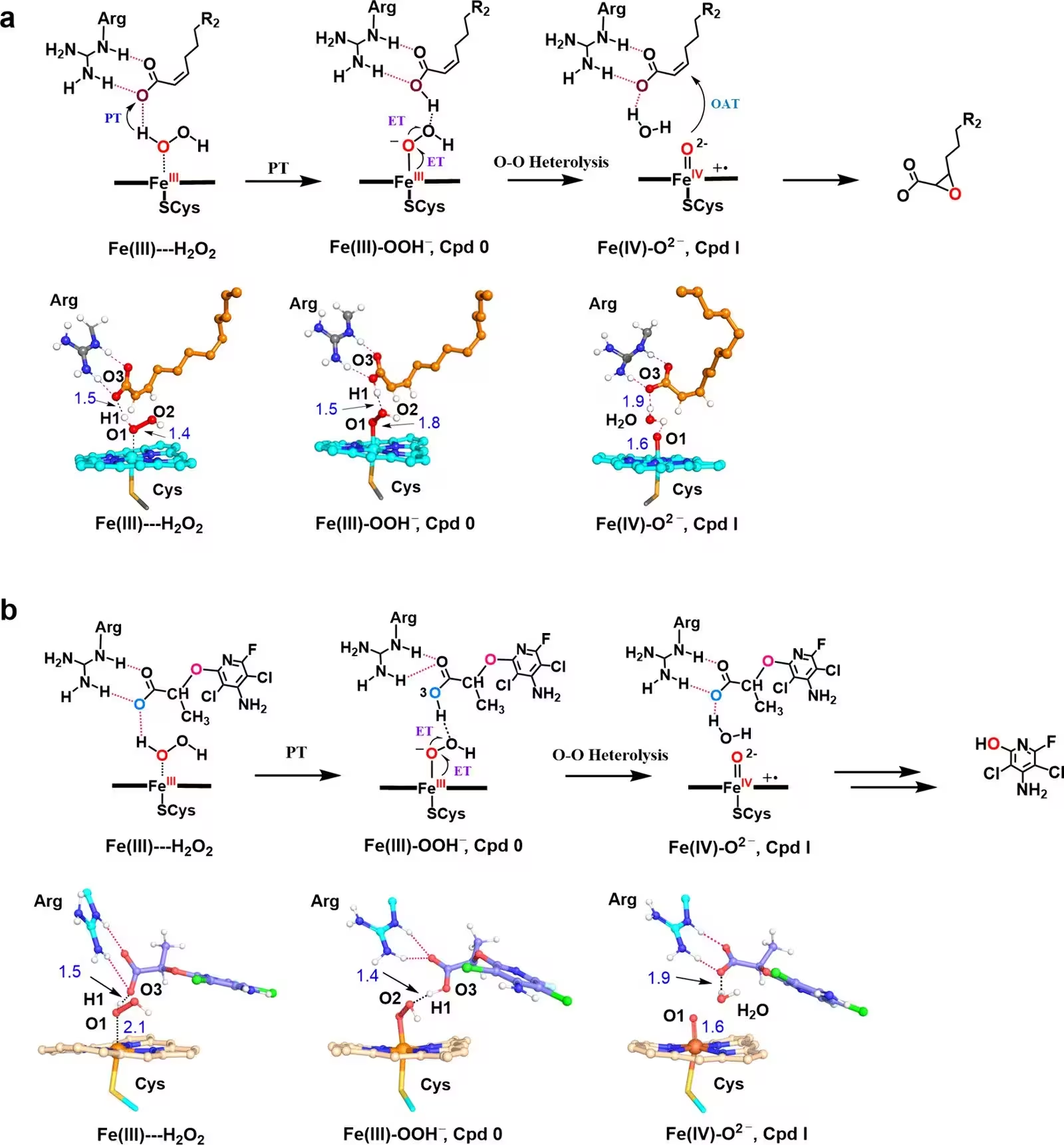
These findings suggest that catalytic success relies heavily on spatial organization and electronic dialogue between the metal and the substrate. When coordination dynamics and electron transfer work in tandem, the enzyme can execute difficult transformations with remarkable precision.
Why Does This Change Future Biocatalyst Design?
Recognizing that substrates actively shape oxidant generation opens up new strategies for engineering industrial biocatalysts. Researchers can now look beyond simple binding affinity and screen substrate libraries for molecules that actively assist in oxygen activation. This mechanism-guided approach could help scientists design novel enzyme cascades that operate efficiently under mild conditions without relying on external reductants.
The research was published in JACS Au on October 12, 2026.
This article has been fact checked for accuracy, with information verified against reputable sources. Learn more about us and our editorial process.
Last reviewed on .
Article history
- Latest version
Reference(s)
- Peng, Wei., et al. “Substrate-Engaged Formation of Reactive Oxygen Intermediates in Metalloenzymes: Mechanisms and Implications for Biocatalysis.” JACS Au, vol. 6, no. 11, October 12, 2026, pp. 6058-6071. American Chemical Society (ACS), doi: 10.1021/jacsau.6c01247. <https://doi.org/10.1021/jacsau.6c01247>.
Cite this page:
- Posted by Kamran Akhtar