Great Barrier Reef Corals Show Genetic Shifts Following Mass Bleaching Events, And Scientists Ask If Evolution Can Keep Pace With Warming
Genomic analysis of Acropora corals across 16 years reveals post-bleaching allele frequency shifts that point toward potential rapid adaptation.
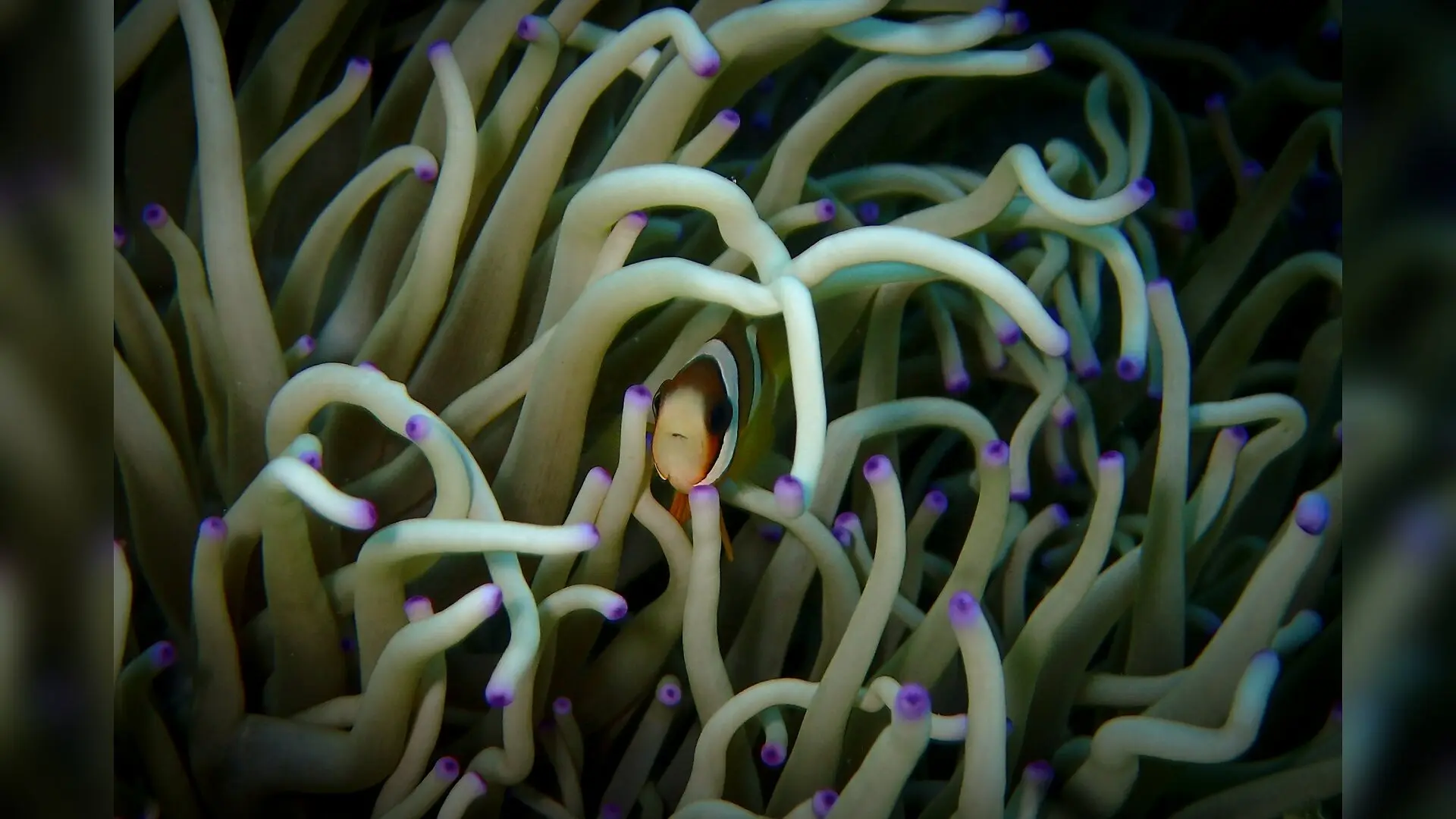
Marine biologists on the Great Barrier Reef recorded genetic shifts in Acropora tenuis corals following severe mass bleaching events, showing allele frequency changes that point toward potential rapid evolutionary responses to ocean warming. The study analyzed 903 coral samples collected between 2003 and 2019 to track how populations survived extreme marine heat waves.
Coral reefs around the world face mounting devastation as human-induced climate change drives up ocean temperatures and triggers widespread mortality. While scientists have long debated whether corals can evolve quickly enough to keep pace with modern warming, direct field evidence of genetic change following major bleaching events has remained scarce. Many researchers suspected that mass mortality might be completely indiscriminate, wiping out genetic diversity without selecting for heat tolerance.
To investigate these dynamics, researchers K. Quigley and M. Matz examined long-term genomic datasets spanning periods before and after the devastating 2016 and 2017 thermal stress events. The findings were published in Science Advances, detailing how different coral species responded to intense environmental pressures across the Australian marine reserve.
How Did Researchers Separate Time From Spatial Drift?
Teasing apart natural geographic variation from true temporal adaptation is a major hurdle in marine genetics. The team utilized redundancy analysis to isolate temporal genetic turnover from background population structure. For Acropora tenuis, the models revealed a clear separation between samples gathered before and after the 2016 mortality crisis.
Additional machine learning tools, including random forest models, mapped cumulative genetic changes over the 16-year study period. These turnover curves identified a major genomic transition centered around 2013 and 2014, bridging the gap between earlier baseline years and the subsequent heat wave impacts.
Why Did Only One Species Show Clear Genomic Shifts?
The analysis revealed a striking contrast between the two closely related staghorn species examined in the project. While Acropora tenuis displayed distinct temporal genetic restructuring, samples of Acropora millepora did not exhibit significant shifts linked to the 2016 and 2017 disturbances.
The researchers noted that Acropora millepora showed its largest genotypic transition between 2003 and 2008, potentially corresponding to an earlier severe thermal stress event. Alternatively, this species may already lack the specific genetic variants needed for contemporary adaptation, or it may have undergone past selection long before the start of the study.
Can Random Genetic Drift Be Ruled Out?
Random population bottlenecks can alter allele frequencies through pure chance rather than direct natural selection. To determine whether selection drove the observed changes, the authors applied a convergent correlation method to test for parallel allele frequency shifts across multiple reef populations. The significant positive correlations detected across several reef pairs successfully rejected a scenario of pure genetic drift.
Although gene flow and demographic restructuring likely contributed to the overall patterns, the repeatability of these shifts points toward directional selection. The authors emphasize that while these genomic changes signal a strong possibility of rapid evolution, further work is required to confirm whether heat tolerance itself was the direct driver.
The research was published in Science advances on November 27, 2026.
This article has been fact checked for accuracy, with information verified against reputable sources. Learn more about us and our editorial process.
Last reviewed on .
Article history
- Latest version
Cite this page:
- Posted by Divya Iyer