Researchers Reveal How Gene Therapy Could Replace Monthly Injections For Diabetic Retinopathy, But Safety Hurdles Remain
New insights explore how single-dose viral vector delivery and gene editing might overcome the heavy treatment burden of chronic vision loss.

Gene Therapy Approaches Are Transforming Diabetic Retinopathy Care by Reversing Vision Loss While Overcoming Treatment Burdens
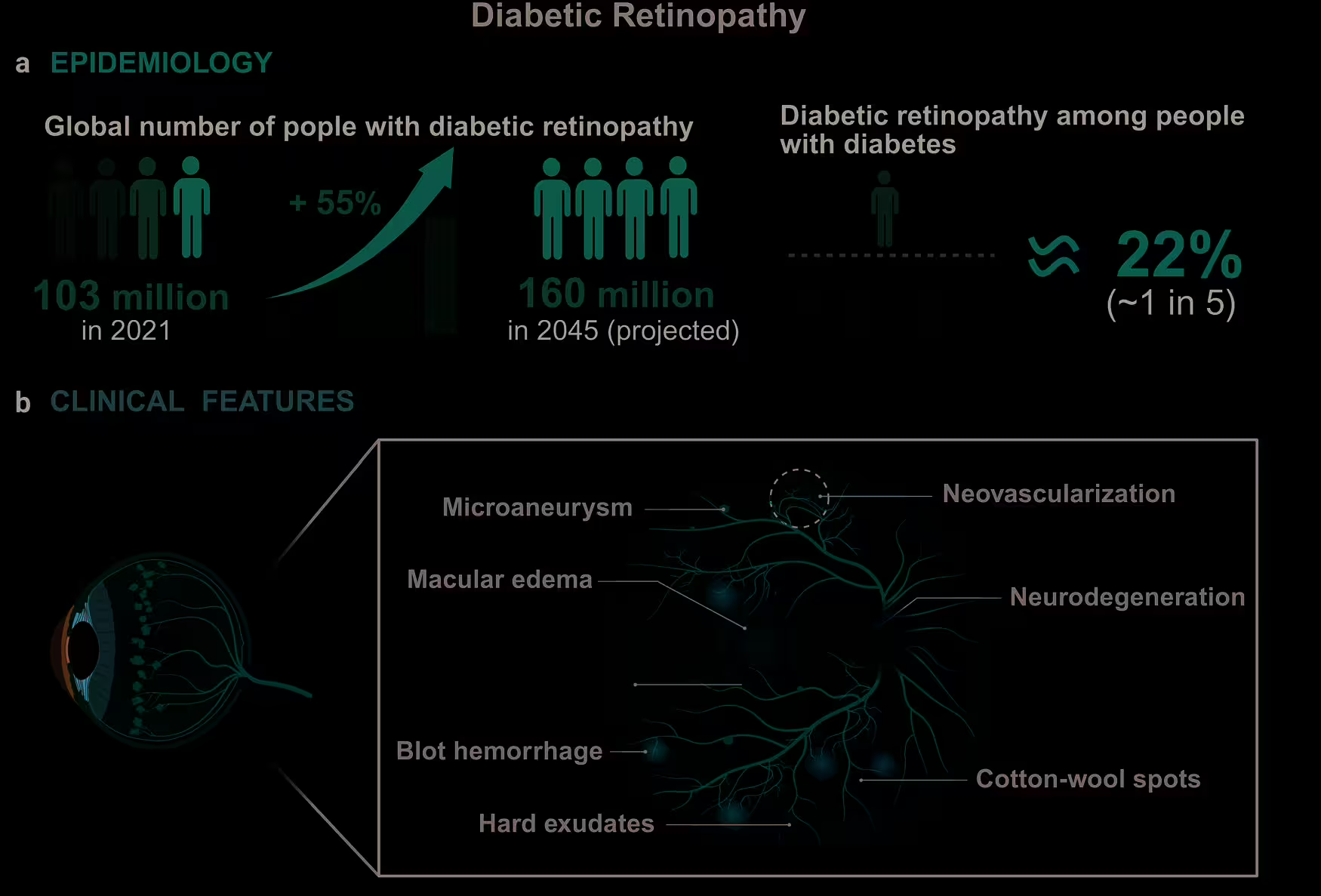
Diabetic retinopathy affects approximately 103 million people globally, making it a leading cause of irreversible vision loss among working-age adults. Traditional management relies heavily on frequent anti-vascular endothelial growth factor injections, which impose a severe treatment burden and risk poor patient compliance. To address these limitations, researchers are turning to ocular gene therapy to transform the eye into a localized biofactory that continuously produces protective proteins after a single administration.
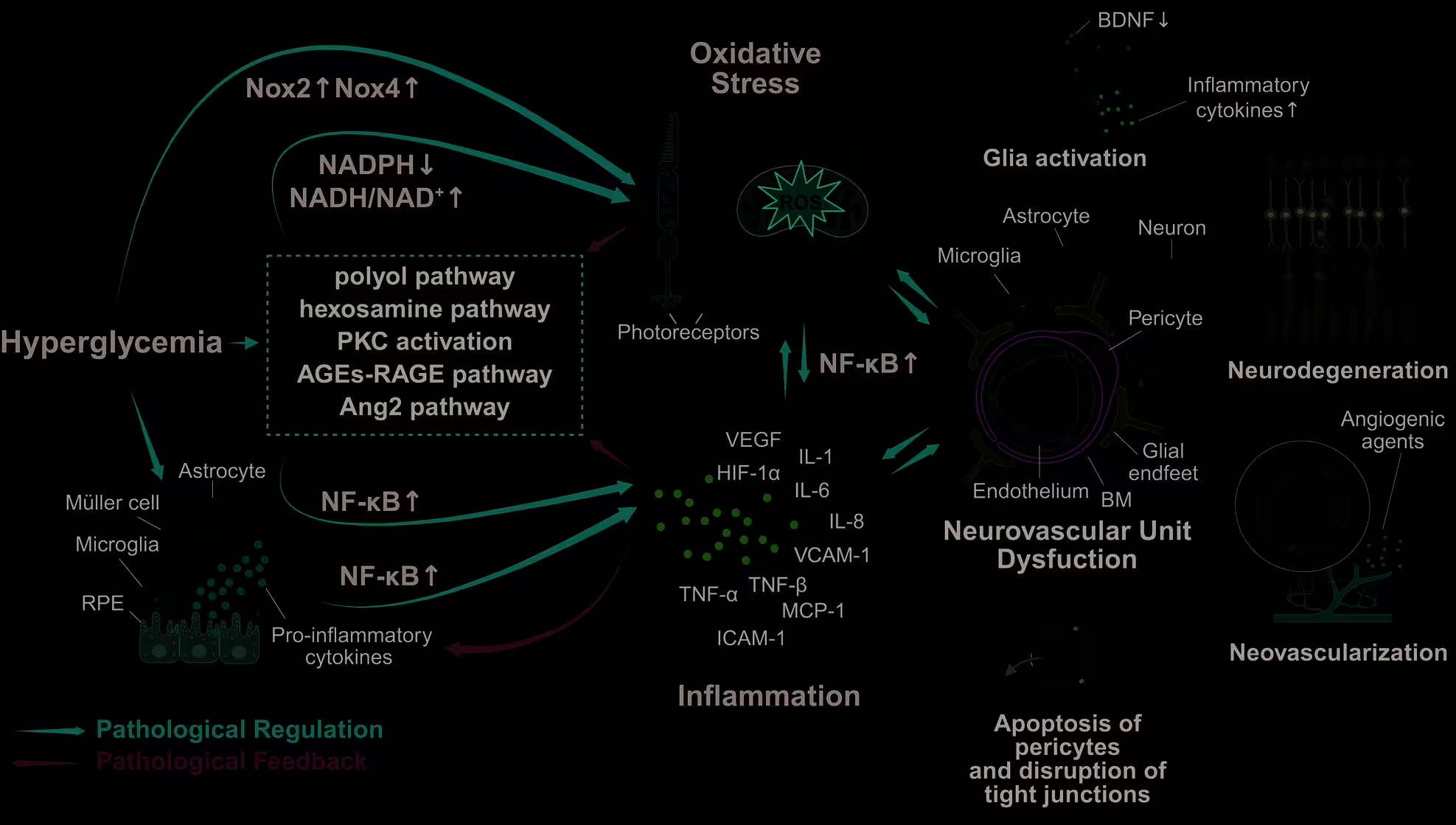
Shuer Xie and colleagues from Shanghai Jiao Tong University School of Medicine published a comprehensive review in Signal transduction and targeted therapy examining how gene therapy is evolving to target the complex molecular roots of the disease. While conventional therapies focus primarily on late-stage blood vessel leakage, the new review highlights how chronic hyperglycemia triggers an interconnected network of metabolic dysfunction, oxidative stress, and inflammation that damages the retinal neurovascular unit long before visible lesions appear.
Why Is Early Retinal Damage So Hard To Stop?
The retina requires vast amounts of oxygen and contains dense mitochondrial activity, making it exceptionally vulnerable to oxidative stress. Under hyperglycemic conditions, excessive reactive oxygen species production combines with advanced glycation end-products to impair antioxidant defenses and trigger cellular death. This oxidative and inflammatory milieu leads to the early degeneration of inner retinal neurons, such as retinal ganglion cells, before any microvascular abnormalities show up on standard clinical photographs.
Compounding this damage, supporting cells like Müller cells and microglia undergo reactive changes that amplify inflammation and break down the blood-retinal barrier. Pericyte loss and endothelial cell dysfunction further destabilize the microvasculature, resulting in neurovascular uncoupling and pathological vessel growth. Because multiple biological pathways operate simultaneously, targeting just one factor often falls short of halting long-term disease progression.
How Do Engineered Viral Vectors Deliver Sustained Treatment?
Ocular gene therapy takes advantage of the eye’s relative immune privilege and compartmentalized anatomy to achieve durable therapeutic protein expression. Scientists typically utilize adeno-associated virus vectors to transduce specific retinal cells, turning them into localized production sites for anti-angiogenic or neuroprotective molecules. For instance, clinical candidates like ADVM-022 and RGX-314 use engineered viral capsids to deliver therapeutic genes directly into the intraocular environment.
Clinical trials have demonstrated that these gene transfer strategies can drastically reduce the required frequency of supplemental injections over multi-year follow-up periods. By maintaining a steady plateau of therapeutic protein levels rather than experiencing sharp peaks and troughs, gene augmentation provides a more stable pharmacokinetic profile than conventional bolus injections. However, delivering these therapies safely requires navigating physical barriers like the internal limiting membrane while avoiding dose-dependent intraocular inflammation.
What Role Do Advanced Gene Editing And RNA Platforms Play?
Beyond simple gene augmentation, researchers are exploring advanced genetic tools like CRISPR-Cas9 systems, base editing, and prime editing to modify pathogenic pathways directly. In preclinical models, targeting vascular endothelial growth factor receptor genes with dual-lentiviral or adeno-associated virus systems has successfully suppressed abnormal blood vessel formation. RNA-targeting technologies such as the Cas13bt3 system offer an alternative approach by degrading target messenger RNA without introducing permanent, irreversible changes to the genomic DNA.

These molecular tools also extend toward neurovascular unit protection by restoring protective signaling pathways or modulating cellular metabolism. For example, suppressing mammalian target of rapamycin signaling via specialized short hairpin RNA has shown promise in reducing oxidative stress, inflammation, and neuronal loss in laboratory models. Despite these exciting possibilities, researchers face hurdles related to vector packaging capacity, manufacturing complexity, and the need to prevent off-target genomic alterations in post-mitotic retinal neurons.
Can Patient Stratification Improve Future Clinical Outcomes?
Patient responses to current therapies vary substantially due to differences in genetic background, metabolic history, and baseline inflammatory status. Consequently, future clinical strategies will likely rely on precision medicine approaches that integrate multimodal imaging, genetic information, and multi-omics biomarkers to identify which individuals will benefit most from specific gene-based interventions. By combining improved capsid design, inducible regulatory elements, and rigorous patient screening, the medical community aims to transition diabetic retinopathy management from reactive symptom control toward durable, personalized retinal protection.
The research was published in Signal transduction and targeted therapy on November 25, 2026.
This article has been fact checked for accuracy, with information verified against reputable sources. Learn more about us and our editorial process.
Last reviewed on .
Article history
- Latest version
Reference(s)
- Xie, Shuer., et al. “Diabetic retinopathy: epidemiology, risk factors, mechanisms, clinical features, diagnosis and management.” Signal Transduction and Targeted Therapy, vol. 11, no. 1, November 25, 2026 Springer Science and Business Media LLC, doi: 10.1038/s41392-026-03087-4. <https://doi.org/10.1038/s41392-026-03087-4>.
Cite this page:
- Posted by Elizabeth Taylor