Caspian Sea Fisheries Reveal How Seven Key Bony Fish Species React To Extreme Thermal Shifts
A fifteen-year ecological study shows that warming waters and temperature anomalies divide local fish populations into distinct warm-water, cool-water, and flexible groups.
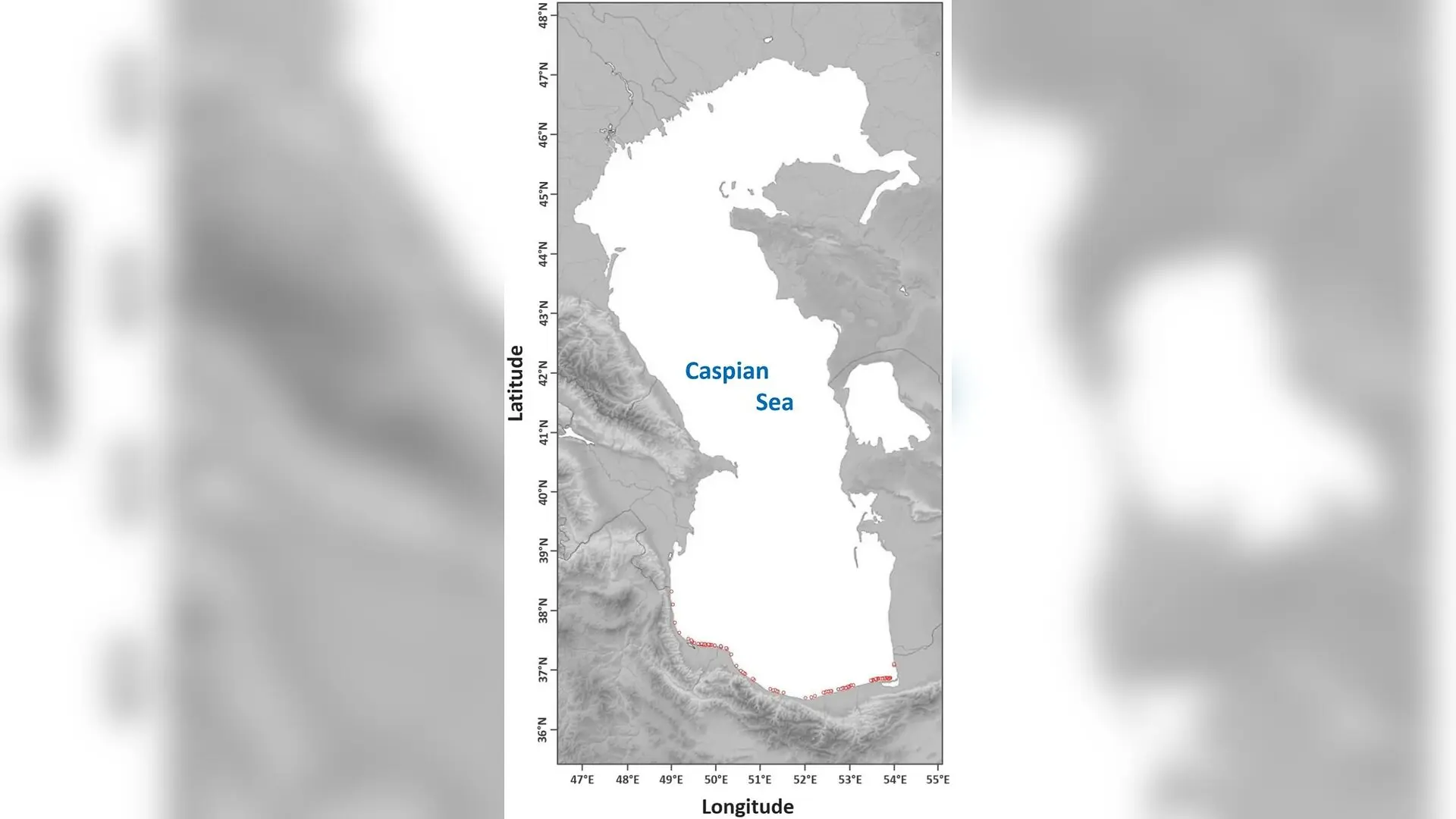
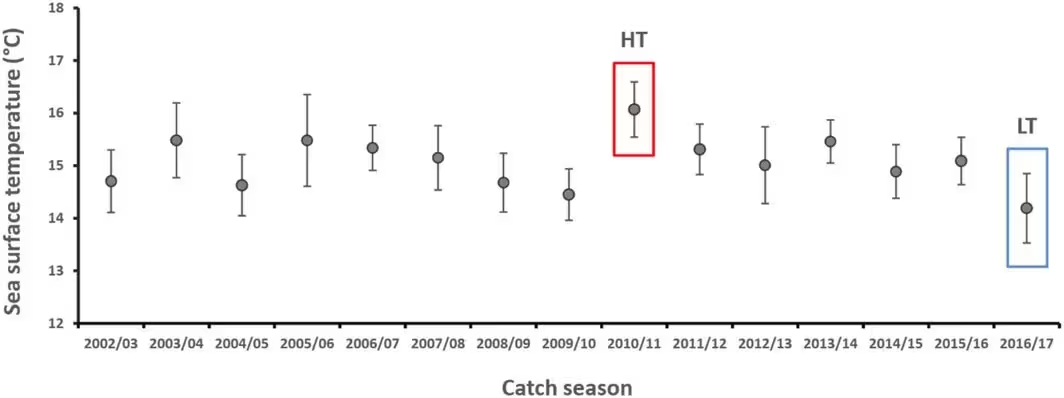
Surface waters in the southern coastal zone of the Caspian Sea warmed up to nearly seventeen degrees Celsius during extreme heat seasons, forcing seven key bony fish species to shift their geographic ranges in unexpected ways. Researchers analyzed a fifteen-year commercial catch dataset spanning from the 2002/3 to 2016/17 fishing seasons alongside satellite environmental records to map how commercial fish populations respond to shifting thermal boundaries. The investigation, published in Ecology and Evolution, reveals that marine animals do not all react to temperature anomalies in the same way, dividing local fisheries into three distinct behavioral categories.
How Did Researchers Track Fifteen Years of Thermal Shifts?
To understand how water temperatures shape aquatic habitats, Fateh Moëzzi and Soheil Eagderi from the University of Tehran evaluated commercial beach seine catch data collected across eighty-five fishing points. They paired these catch per unit effort records with five environmental variables, including day-time sea surface temperature, near-surface chlorophyll-a concentration, particulate organic carbon, depth, and distance to the nearest river inlet. Using advanced boosted regression trees modeling techniques, the team assessed ecological niches across three distinct temporal windows, consisting of the full fifteen-year period, a high-temperature season during 2010/11, and a low-temperature season during 2016/2017.
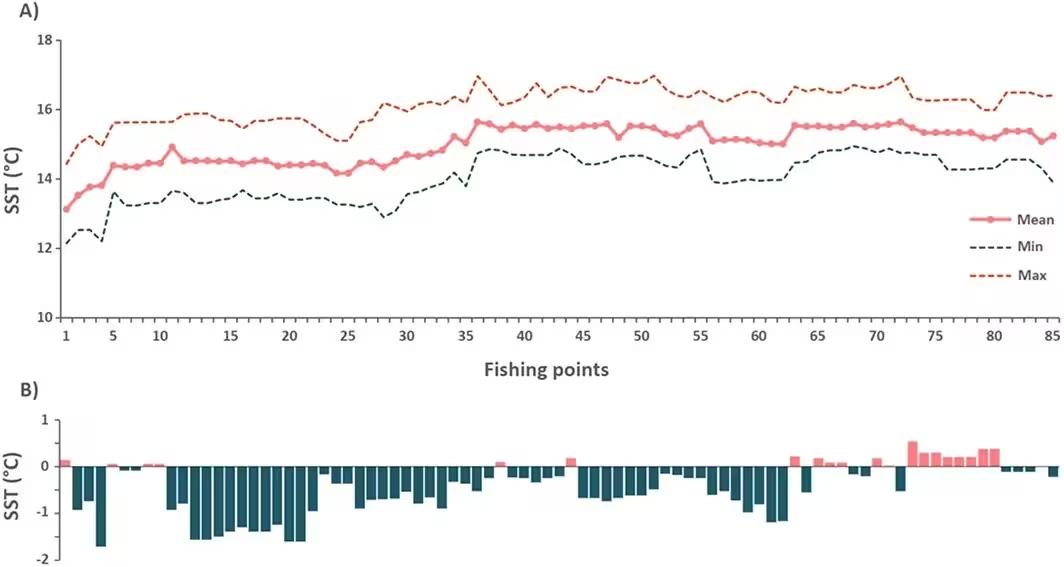
Sea surface temperature emerged as the primary environmental predictor influencing fish presence and abundance across nearly all models. While long-term temperature data showed no uniform directional trend across the entire southern basin, spatial analysis uncovered a clear west-to-east increasing thermal gradient. The western coastal waters experienced the largest negative temperature changes over time, dropping by nearly two degrees Celsius in some areas, while eastern locations showed warming trends of up to one degree Celsius.
Which Fish Species Prefer Warm Waters Versus Cool Depths?
Based on how their optimal thermal niches contracted or expanded during extreme seasons, the seven bony fish species were split into three behavioral groups. The first group comprises warm-water species, including Caspian Kutum, mullets, and common carp, which narrowed their preferred thermal range and shifted toward higher temperatures during the hot season. Common carp showed high sensitivity to cooling water, retreating to deeper zones during cold periods to escape unfavorable conditions.
The second group consists of cool-water species, specifically Caspian roach and sea bream, which demonstrated a strong association with lower temperatures. Their optimal thermal ranges during the cold season featured density peaks multiple times higher than normal, reflecting a tight clustering in cooler waters. Meanwhile, the third group contains thermally flexible species, including pikeperch and Caspian trout, which exhibited stable distributions and tracked water temperature changes without altering their overall habitat breadth significantly.
What Do These Habitat Shifts Mean for Future Fisheries Management?
The overlap between different species’ thermal niches changed dramatically depending on the season, with warm-water fish showing high habitat overlap while cool-water species diverged sharply during cold snaps. These shifts mean that commercial fish populations are moving both horizontally along the coast and vertically into deeper water to find tolerable metabolic ranges. The authors caution that failing to account for these dynamic thermal boundaries could render current marine conservation and fishery exploitation plans ineffective.
While the study provides robust insights into regional ecological responses, the researchers note certain limitations, such as the reliance on catch per unit effort as a relative index rather than absolute population counts. Because fine-scale intra-seasonal data were unavailable, the team recommends that future monitoring efforts incorporate finer temporal scales to better protect vulnerable aquatic resources against ongoing climate variability.
The research was published in Ecology and evolution on November 20, 2026.
This article has been fact checked for accuracy, with information verified against reputable sources. Learn more about us and our editorial process.
Last reviewed on .
Article history
- Latest version
Reference(s)
- Moëzzi, Fateh., et al. “Modeling Thermal Niche Dynamism in Response to Environmental Temperature Fluctuations for Some Bony Fishes in Iranian Coastal Waters of the Caspian Sea.” Ecology and Evolution, vol. 16, no. 11, November 20, 2026 Wiley, doi: 10.1002/ece3.74742. <https://doi.org/10.1002/ece3.74742>.
Cite this page:
- Posted by Kamran Akhtar