UK Survey Reveals Top Health and Social Care Research Priorities for Ethnic Minority Groups
Cancer and mental health emerged as leading medical concerns, while healthcare access and discrimination topped social care priorities.
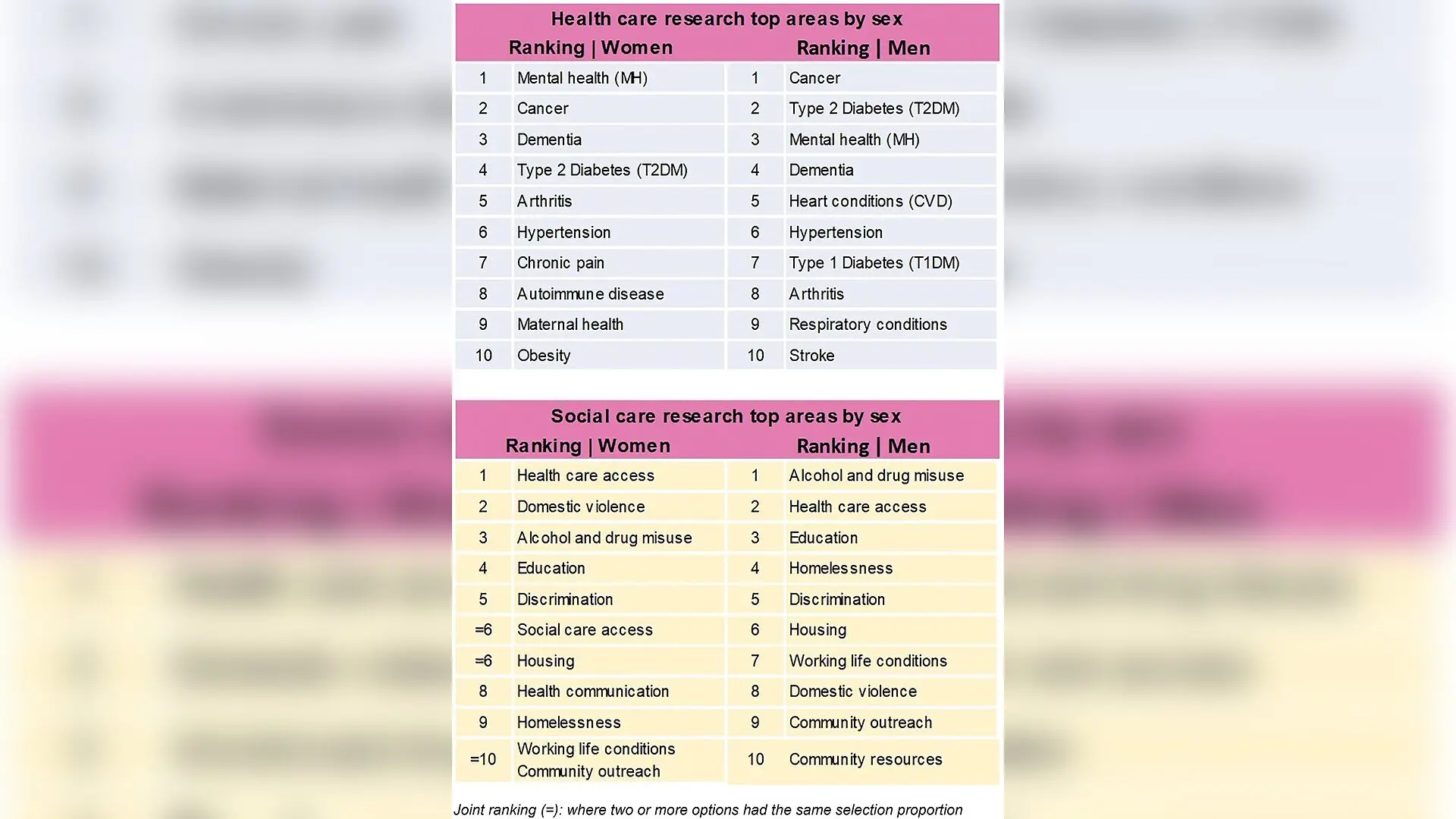
When nearly a thousand people from diverse backgrounds across the United Kingdom shared what health topics matter most to them, cancer and mental health emerged as the dominant concerns. Researchers at the University of Leicester and partner institutions surveyed nine hundred eighty-two participants representing various ethnic minority communities to uncover critical gaps in medical research and social care priorities. The findings reveal that while physical illnesses like type 2 diabetes and arthritis weigh heavily on these populations, everyday challenges regarding healthcare access and discrimination require urgent attention from policymakers.
Why Does Medical Research Often Miss the Mark for Minority Communities?
Health disparities have long affected minority populations, yet medical studies frequently struggle to recruit and retain participants from these exact backgrounds. To address this gap, the study led by Winifred Ekezie and colleagues, published in PLoS One, utilized a cross-sectional survey between February and September 2023. The team evaluated responses using a twenty-nine-item questionnaire featuring thirty-seven distinct health and social care research topics.
Participants spanned five broad ethnic categories, including Asian, Black, White-Other, White-UK, and Mixed backgrounds. More than a third of the respondents reported living with at least one long-term chronic condition, such as hypertension or type 2 diabetes. By organizing preferences through standard competition ranking, the researchers mapped out exactly where community concerns align with, or diverge from, current medical agendas.
What Were the Top Health Priorities Identified by Participants?
When analyzing the twenty-five health research categories, cancer took the top spot with over thirty-four percent of nominations. Mental health followed closely at nearly thirty-four percent, while type 2 diabetes and dementia each secured roughly thirty percent of the vote. Arthritis and hypertension rounded out the leading group of health concerns.
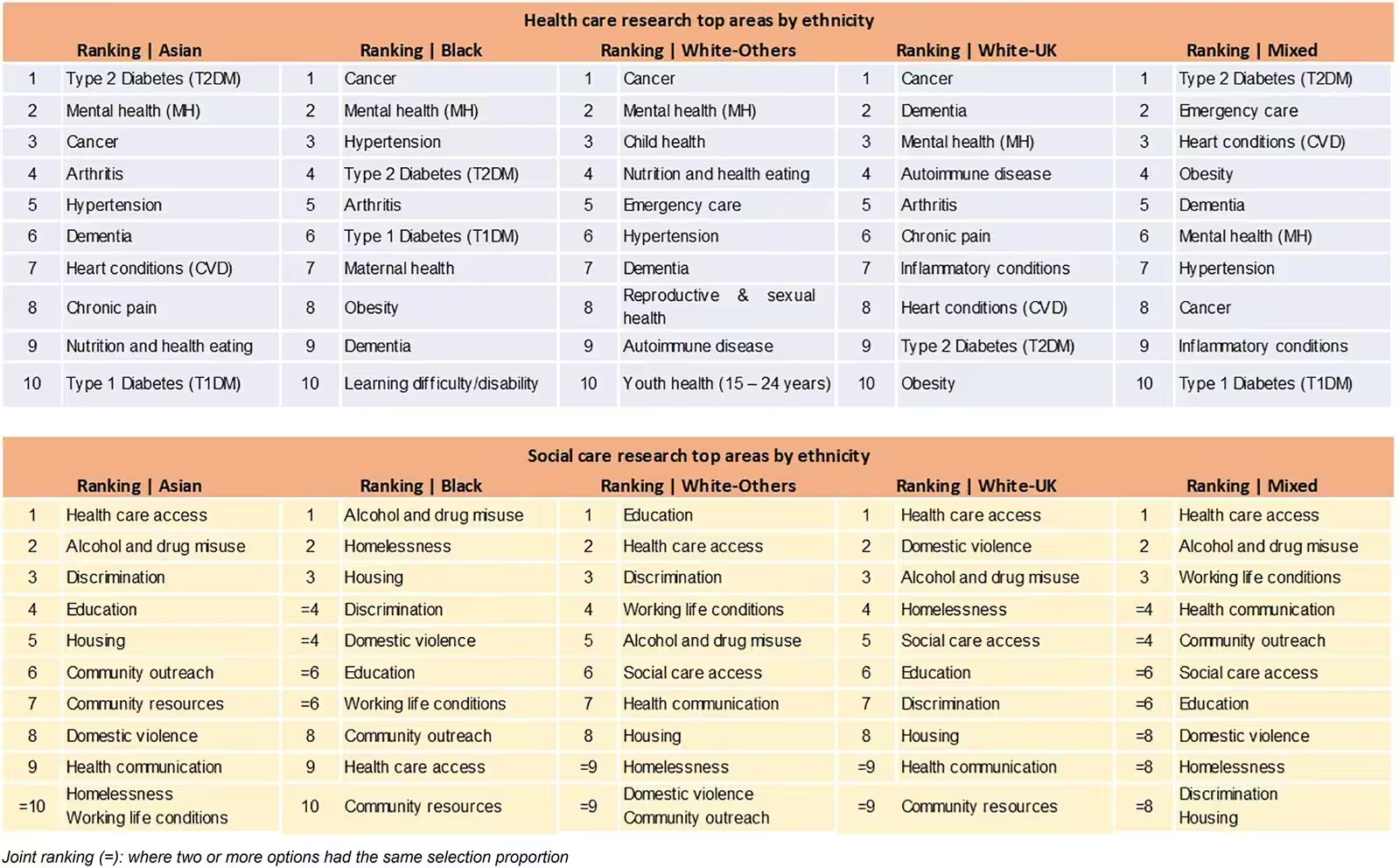
However, the data showed significant variation across different demographic groups. For instance, participants from the White-UK group selected cancer most frequently at fifty percent, whereas mental health concerns peaked among adults aged twenty-five to thirty-four years old. Meanwhile, type 2 diabetes ranked especially high among Asian and Mixed heritage participants, reflecting known genetic and environmental risk factors.
How Do Social Care Priorities Differ Across Ethnic Groups?
Beyond clinical medicine, the survey explored twelve social care topics to understand the broader pressures impacting everyday life. Healthcare access emerged as the number one social care priority overall, selected by nearly thirty-six percent of respondents. Alcohol and drug misuse, education, discrimination, and domestic violence completed the top five most urgent social care areas.
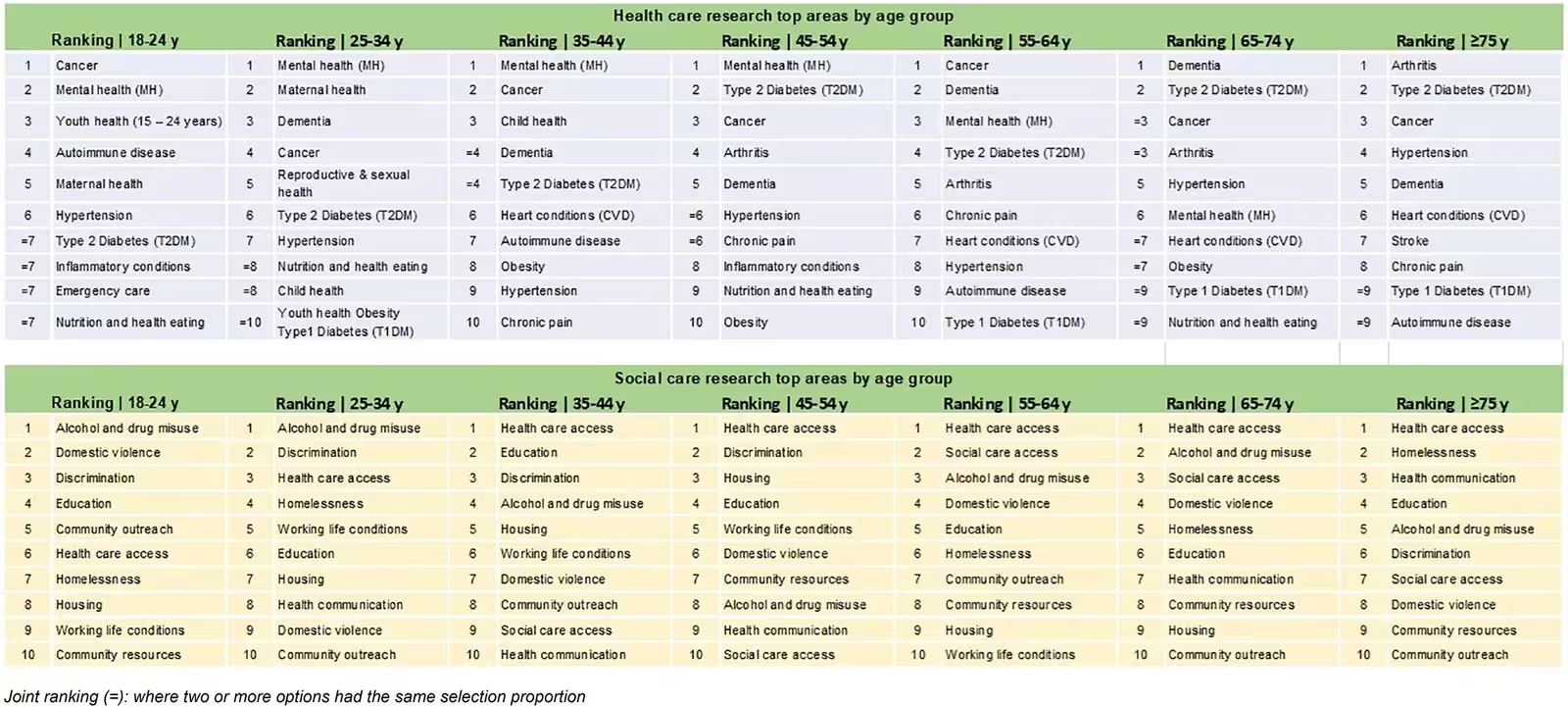
Interesting contrasts emerged when breaking down these social care choices by ethnicity and age. While healthcare access ranked near the top for most groups, it placed ninth among Black participants, whose top priority was alcohol and drug misuse. Furthermore, concerns regarding discrimination and housing were notably high among younger adults under age forty-five, pointing to intersectional pressures that influence overall well-being.
What Are the Limitations and Next Steps for Future Studies?
The authors acknowledge several limitations regarding their sample population. Most respondents lived in the East Midlands region, and the majority of participants identified as Asian, meaning the results cannot be generalized to every minority community across the entire nation. Additionally, low initial response rates highlight the ongoing hurdles researchers face when engaging underserved populations.
Despite these caveats, the study provides a vital roadmap for public health leaders and funding bodies. By identifying these specific research tiers, scientists can better tailor clinical trials and social support frameworks to match the real-world needs of diverse populations, ensuring future healthcare initiatives leave no community behind.
The research was published in PloS one on November 23, 2026.
This article has been fact checked for accuracy, with information verified against reputable sources. Learn more about us and our editorial process.
Last reviewed on .
Article history
- Latest version
Reference(s)
- Ekezie, Winifred., et al. “Insights into the health and social care research priorities for ethnic minority groups: Findings from a UK survey.” PLOS One, vol. 21, no. 11, November 23, 2026, pp. e0345706 Public Library of Science (PLoS), doi: 10.1371/journal.pone.0345706. <https://doi.org/10.1371/journal.pone.0345706>.
- Posted by Sana Malik