Study Reveals Why Most Visually Impaired Adults Still Avoid Virtual Doctor Visits
New research from Riyadh shows only sixteen percent of visually impaired adults utilize virtual healthcare, pointing to lingering digital accessibility barriers.
When digital healthcare services expand across nations, a critical question remains unanswered for vulnerable communities, specifically whether remote doctor appointments actually work for individuals dealing with visual impairments. A cross-sectional study conducted among adults with vision loss registered at the Kafeef Center in Riyadh reveals that despite widespread digital health transformations, only about 16 percent of participants actively utilize virtual medical consultations. Led by researcher Najla A Barnawi from King Saud bin Abdulaziz University for Health Sciences and colleagues, the work published in Patient Preference and Adherence indicates that traditional in-person doctor visits remain overwhelmingly dominant, raising urgent questions about digital accessibility and healthcare equity.
Why Do Most Visually Impaired Adults Stick To Traditional Clinic Visits?
The investigation examined primary healthcare utilization patterns among 396 adult participants recruited through convenience sampling between late July and early August 2025. Data collection relied on an Arabic questionnaire administered either independently online or with direct assistance, covering personal characteristics and perceived access to medical services. The results show that 334 participants, representing roughly 84 percent of the group, relied exclusively on traditional in-person clinic visits. Merely 11 individuals, or about 3 percent, used virtual-only services, while 51 participants combined both remote and traditional care modes.
When researchers combined virtual-only and combined users into a single group comprising 15.7 percent of the sample, statistical evaluations linked current clinic choices to several distinct sociodemographic factors. Participants without children demonstrated substantially lower adjusted odds of utilizing virtual or combined care compared to parents. Furthermore, unemployed individuals showed reduced odds of engaging with remote healthcare platforms relative to employed participants. These patterns suggest that family responsibilities and occupational structures influence how patients navigate digital health portals.
How Does Digital Accessibility Shape Perceptions of Modern Healthcare?
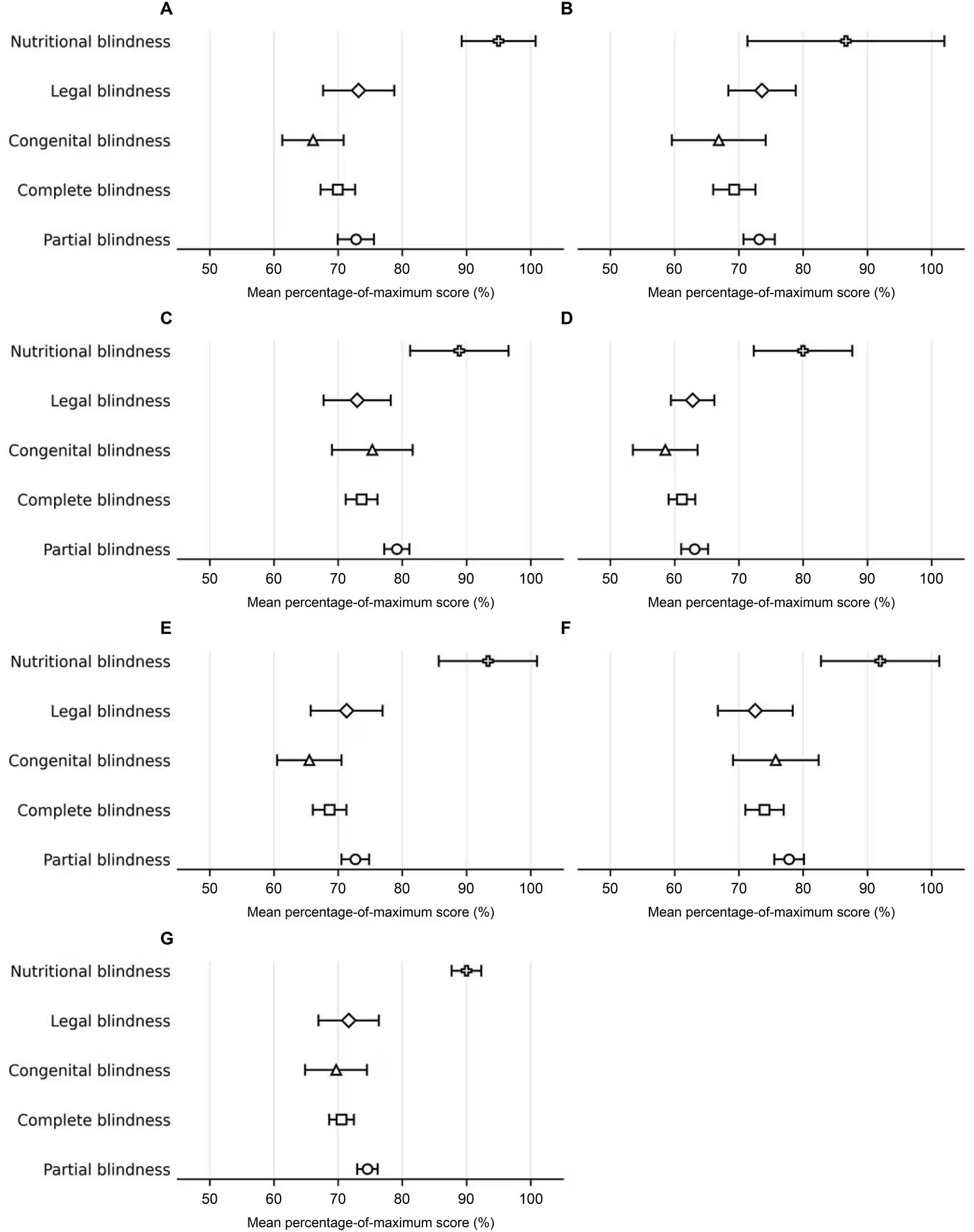
Perceived access was evaluated using a validated thirty-item questionnaire measuring six distinct dimensions, including accessibility, availability, acceptability, affordability, accommodation, and awareness. Interestingly, overall access scores did not differ significantly between participants who stuck exclusively to traditional clinics and those who incorporated virtual appointments. The mean overall access score reached approximately 73 out of 100 in the traditional-only group and roughly 71 out of 100 in the virtual-using group. These figures point to overlapping practical hurdles rather than an absolute divide in how patients perceive health system availability.
Nearly half of all surveyed individuals, about 51 percent, reported general awareness of virtual clinics, yet their actual adoption rates lagged far behind national averages observed among sighted populations in the region. The authors note that while digital health initiatives aim to eliminate travel barriers and physical strain, remote platforms often present hidden obstacles. Inaccessible computer interfaces, poor compatibility with screen-reading software, missing text descriptions for images, and complex digital verification steps can alienate users who depend heavily on assistive technologies.
What Role Do Severity and Future Preferences Play in Telehealth Adoption?
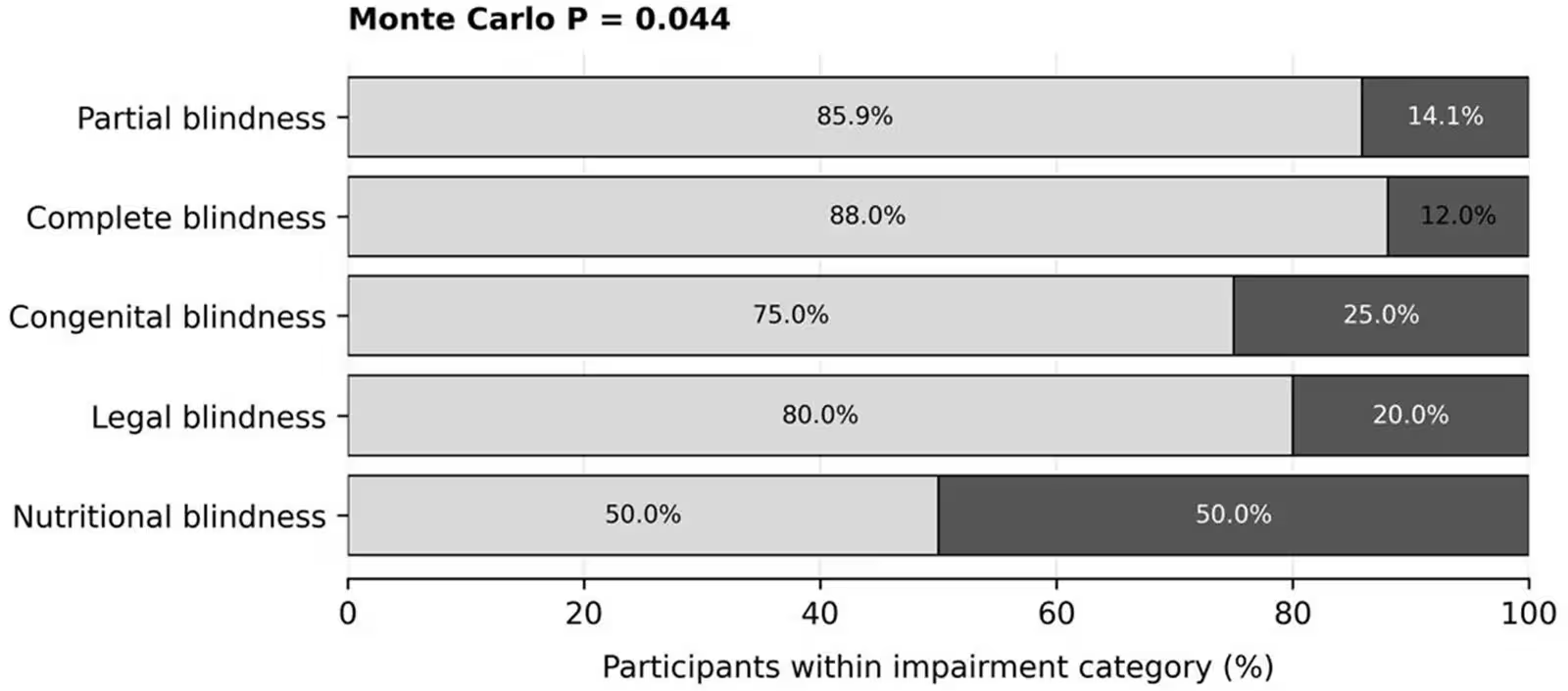
The study also explored whether specific vision impairment categories influenced healthcare choices and access scores. Participants presented with varying degrees of vision loss, ranging from partial and complete blindness to congenital, legal, and nutritional blindness. While exploratory analyses indicated some variations across subgroups, the researchers caution that several categories involved very small numbers of individuals, such as a nutritional blindness subgroup comprising only six participants, making those specific comparisons highly preliminary.
Looking toward future preferences, statistical models indicated that higher perceived accessibility and affordability scores were associated with lower odds of preferring virtual clinics down the road. This counterintuitive trend implies that individuals who found traditional, face-to-face services readily accessible and affordable felt less motivation to shift toward remote care alternatives. Conversely, those encountering severe physical barriers or high costs in traditional settings may view virtual options as a necessary alternative, though the cross-sectional design prevents researchers from establishing direct cause-and-effect relationships.
What Are the Main Limitations and Future Research Directions?
The authors emphasize several important limitations that temper the interpretation of these findings. Because the work utilized a single-center convenience sample from a well-resourced organization in an urban setting, the results cannot be generalized to the entire national population or rural regions. Furthermore, the cross-sectional design captures only a single snapshot in time and cannot determine causality or track seasonal shifts in healthcare utilization. Future investigations will require multicenter longitudinal designs, standardized clinical visual-acuity classifications, and larger, balanced subgroups to fully understand how digital health innovations can better serve individuals with visual impairments.
The research was published in Patient preference and adherence on November 17, 2026.
This article has been fact checked for accuracy, with information verified against reputable sources. Learn more about us and our editorial process.
Last reviewed on .
Article history
- Latest version
Reference(s)
- Barnawi, Najla A., et al. “Utilization Patterns and Perceived Access to Health Care Among Individuals with Visual Impairment in Riyadh: A Comparison of Virtual and Traditional Primary Care Clinics.” Patient Preference and Adherence, vol. Volume 20, November 1, 2026, pp. 1-13. Informa UK Limited, doi: 10.2147/PPA.S633425. <https://doi.org/10.2147/PPA.S633425>.
Cite this page:
- Posted by Sana Malik