AI Infant Neck Stretch App Raises Safety Alarms Among Clinical Experts
Clinical evaluation of a prototype home therapy platform reveals that pose-tracking software may lack the necessary interpretability for safe infant care.
When eight clinical experts evaluated a prototype artificial intelligence system designed to help parents perform physical therapy at home for infant neck stiffness, they raised urgent safety concerns about how well the technology actually works. Congenital muscular torticollis is a musculoskeletal condition in infancy where an infant’s head tilts to one side while the chin rotates toward the opposite side, requiring prompt stretching and postural correction.
Because successful recovery depends heavily on home exercise programs performed repeatedly by caregivers, researchers developed a digital platform featuring a clinician web interface and a caregiver mobile application. The platform uses artificial intelligence to track movement and provide real-time feedback during home therapy sessions. However, a formative usability evaluation published in JMIR Human Factors revealed significant gaps in how the technology supports nonprofessional users.
Why Do Medical Experts Question Artificial Intelligence Feedback Reliability?
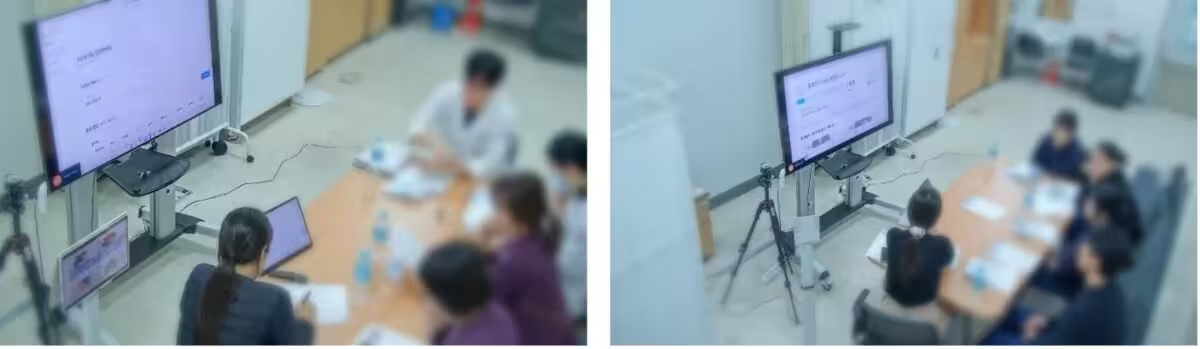
Led by Hyosun Kweon and colleagues at the National Rehabilitation Center in Seoul, the evaluation involved eight clinical specialists, including two rehabilitation medicine physicians, two nurses, and four physical therapists. Through structured focus group interviews and usability surveys, the panel examined whether the software could safely guide parents through delicate infant stretches. The specialists questioned whether the underlying algorithm, which primarily tracks the nose and shoulder line, could accurately distinguish between complex therapeutic movements like lateral neck flexion and head rotation.
The experts pointed out that the software often gave simple green indicator lights without providing clear explanations or instructions on how to correct improper positioning. Without transparent criteria behind the digital feedback, clinicians worried that parents might receive false reassurance when an exercise was performed incorrectly. This lack of interpretability created serious concerns that nonprofessional users could struggle to determine whether a stretching exercise was helping or risking harm.
What Cognitive and Emotional Burdens Do Caregivers Face at Home?
Performing physical therapy on an infant involves immense psychological stress, as parents constantly worry about causing pain or failing to execute movements correctly. The clinical panel emphasized that software designed for home-based infant care must look beyond basic button layouts and address the severe cognitive and emotional load placed on caregivers. Parents are expected to act simultaneously as system operators and therapy providers while managing an infant who may resist movement.
To reduce this burden, the participants recommended adding a practice mode where caregivers can rehearse movements and receive guidance before starting official treatment logs. They also stressed the need for explicit safety thresholds, such as clear warning criteria and guidance on when to discontinue an exercise or contact a physician immediately.
How Can Clinician Web Interfaces Better Bridge the Gap with Home Care?
The evaluation also uncovered major workflow hurdles within the clinician-facing web interface. Entering patient identification numbers did not link to electronic medical records, forcing medical staff to perform redundant data entry. Furthermore, the patient dashboard sorted records strictly by registration date rather than clinical relevance, limiting efficiency during busy hospital rounds.
The clinical experts proposed several design improvements, including full video transmission of home sessions so physicians can review actual performance rather than relying solely on summary scores. They also advocated for integrated electronic medical record synchronization and customizable prescription settings to streamline hospital workflows. Because actual caregivers did not participate in this initial phase, the findings represent professional proxy perspectives that require validation through direct testing in realistic home environments.
The research was published in JMIR human factors on November 19, 2026.
This article has been fact checked for accuracy, with information verified against reputable sources. Learn more about us and our editorial process.
Last reviewed on .
Article history
- Latest version
Reference(s)
- Hong, Seojin., et al. “AI-Based Rehabilitation System for Congenital Muscular Torticollis: Formative Usability Evaluation.” JMIR Human Factors, vol. 13, November 19, 2026, pp. e101427-e101427. JMIR Publications Inc., doi: 10.2196/101427. <https://doi.org/10.2196/101427>.
Cite this page:
- Posted by David Anderson