Daily Low-Dose Aspirin Reduces Liver Stiffness in MASLD Patients Over Six Months
A new randomized trial reveals significant improvements in liver health markers, though researchers urge caution regarding structural scarring and bleeding risks.
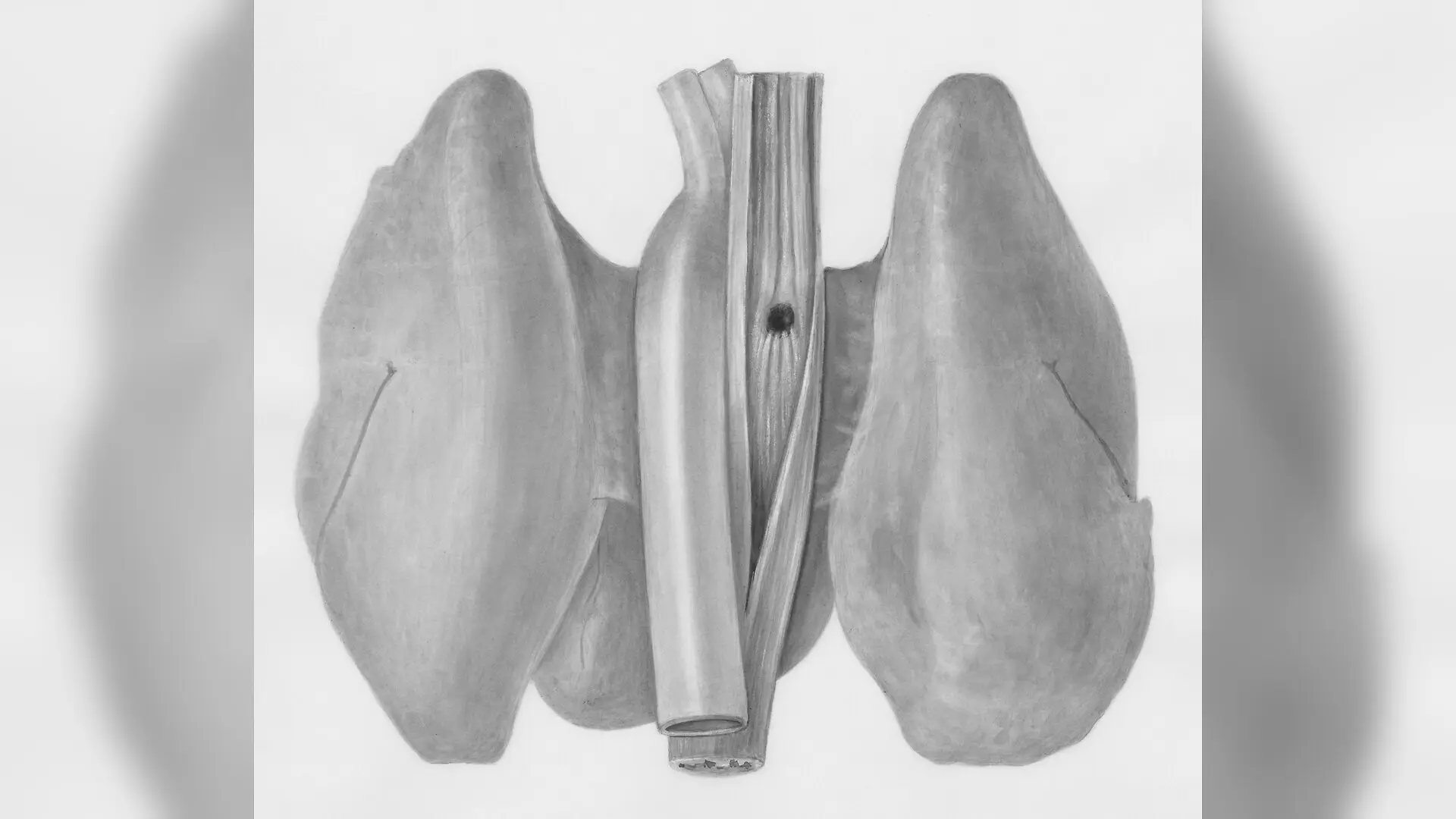
Daily low-dose aspirin may help reduce liver stiffness in adults with metabolic dysfunction-associated steatotic liver disease, according to new clinical trial findings that point to potential new management options for the common chronic condition.
The condition, known as metabolic dysfunction-associated steatotic liver disease or MASLD, affects more than 80 percent of patients with simple fat accumulation in the liver, while others develop progressive inflammation and scarring known as fibrosis. As global rates of obesity and type 2 diabetes continue to rise, MASLD has become a leading public health challenge because it significantly increases the risk of cirrhosis, liver cancer, cardiovascular disease, and overall mortality.
Current medical treatments primarily focus on weight loss, dietary adjustments, and physical activity, leaving clinicians with very few prescription drugs that specifically target liver scarring. Preclinical research has suggested that aspirin could act as an anti-fibrotic agent by suppressing signaling pathways that activate scar-producing cells in the liver. To test whether these laboratory observations translate to human patients, Khanisorn Meesri and colleagues at Phramongkutklao Hospital in Bangkok conducted a randomized trial involving 134 adult participants diagnosed with MASLD.
How Was the Clinical Trial Conducted?
The double-blind, placebo-controlled study enrolled patients with a mean age of 56 years from October 2020 to October 2024. Participants were randomly assigned to receive either 81 milligrams of daily aspirin or a matching placebo tablet for a duration of six months. Throughout the trial period, researchers evaluated patients at baseline, three months, and six months using physical examinations, laboratory blood tests, and specialized imaging.
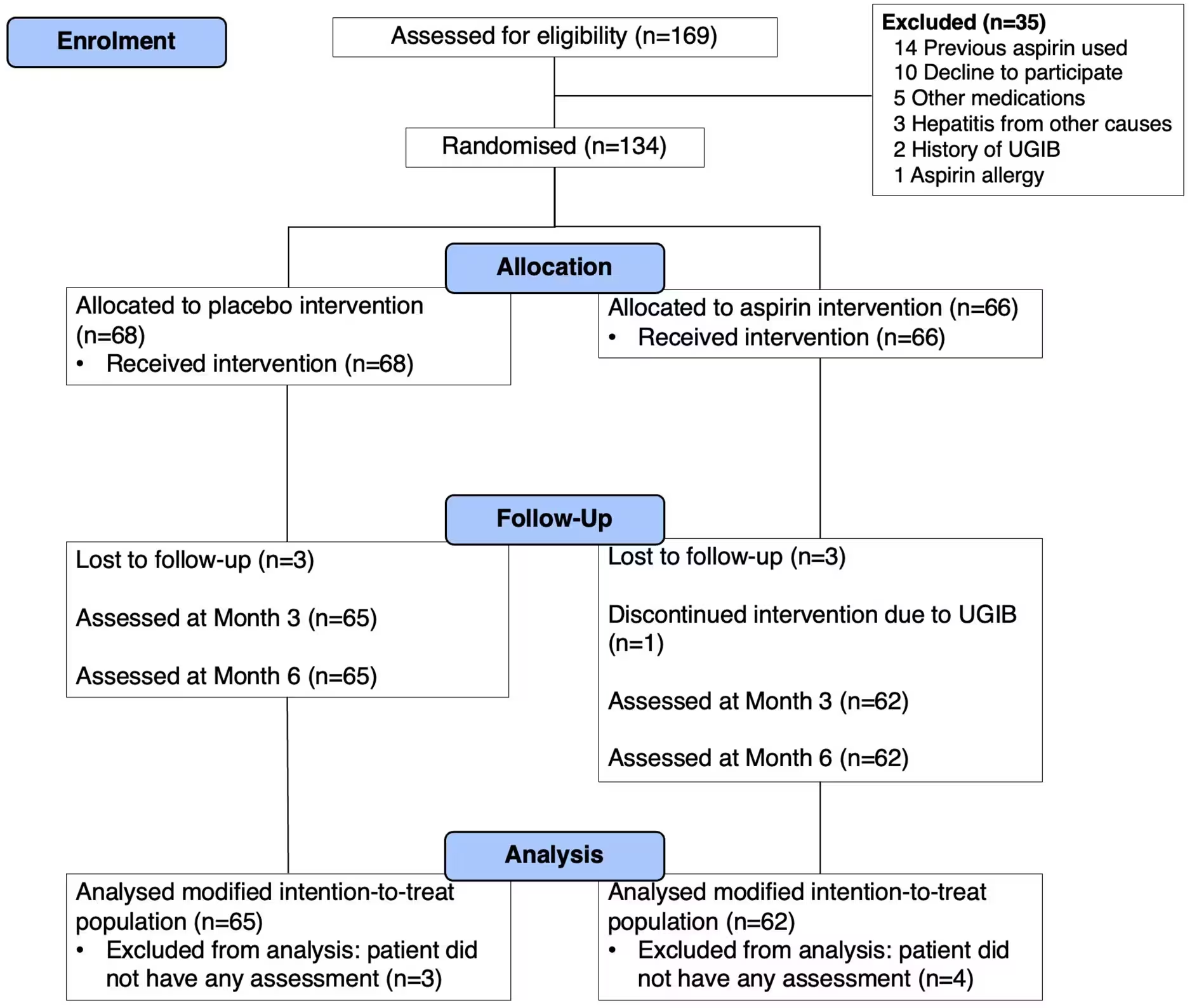
The primary outcome measured changes in liver stiffness using vibration-controlled transient elastography, a noninvasive ultrasound-based technology that assesses how fast sound waves travel through liver tissue. Secondary measures included changes in liver enzymes, standard noninvasive fibrosis scoring indexes such as FIB-4 and APRI, and overall body weight. Out of the total enrollment, 127 participants completed at least one post-baseline assessment and were included in the modified intention-to-treat efficacy analysis.
What Did the Six-Month Results Show?
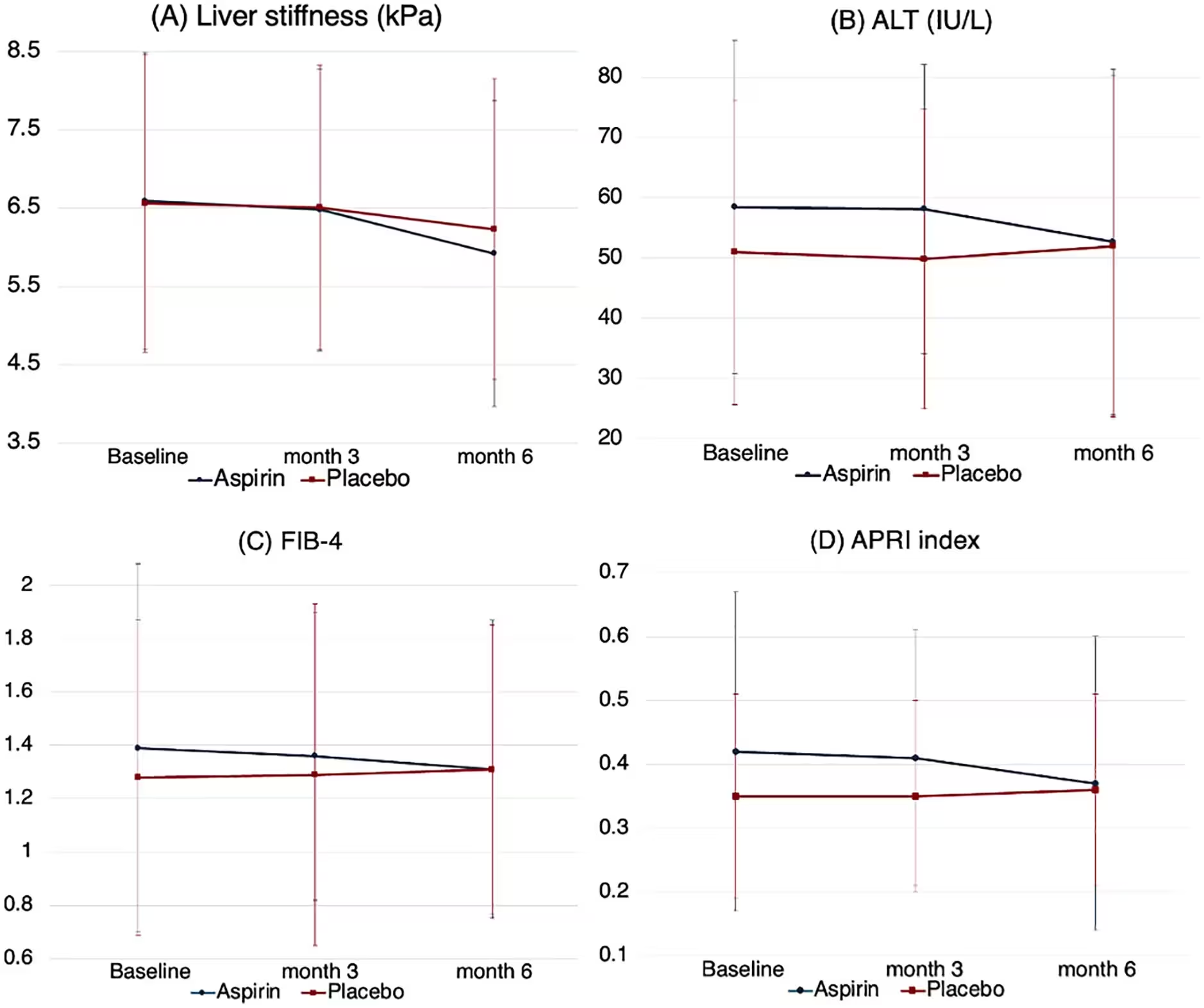
The trial results, published in PLOS One, revealed that patients taking daily low-dose aspirin experienced a statistically significant reduction in liver stiffness at the six-month mark. Specifically, the aspirin group showed an average liver stiffness decrease of 0.64 kilopascals, compared to a decrease of 0.24 kilopascals in the placebo group.
Secondary outcomes supported these findings by showing meaningful improvements in blood markers of liver health. Patients taking aspirin demonstrated greater reductions in alanine aminotransferase enzyme levels, along with significant improvements in standardized noninvasive fibrosis indexes including the FIB-4 score and the APRI index. Exploratory analyses confirmed that these improvements occurred independently of significant changes in body weight or general metabolic parameters such as blood glucose and cholesterol levels.
What Are the Important Limitations of These Findings?
Despite the encouraging biochemical and imaging improvements, the study authors emphasize that these short-term changes should be interpreted with caution. Because liver stiffness measurements can be temporarily lowered by reductions in active liver inflammation rather than true structural healing of scar tissue, a six-month window is too brief to confirm definitive regression of liver fibrosis.
Furthermore, liver biopsy, which remains the diagnostic gold standard for evaluating liver scarring, was not performed due to its invasive nature and procedural risks. The trial also featured a relatively modest sample size and a short follow-up period, meaning larger and longer investigations are required to establish whether short-term stiffness reductions translate into permanent health benefits.
What Safety Concerns Were Identified?
While low-dose aspirin is widely used for cardiovascular prevention, it carries known gastrointestinal risks. During this study, about 7.6 percent of participants in the aspirin group experienced treatment-related adverse events. These included mild issues such as nausea, vomiting, skin rashes, and tinnitus.
However, one participant in the aspirin group developed upper gastrointestinal bleeding due to erosive duodenitis complicated by an underlying bacterial infection from Helicobacter pylori. This complication underscores why clinicians must carefully screen patients for gastrointestinal risk factors and underlying infections before initiating aspirin therapy for liver health.
The research was published in PLOS One on November 23, 2026.
This article has been fact checked for accuracy, with information verified against reputable sources. Learn more about us and our editorial process.
Last reviewed on .
Article history
- Latest version
Reference(s)
- Meesri, Khanisorn., et al. “A randomized controlled study of daily aspirin to reduce liver stiffness and noninvasive fibrosis markers in metabolic dysfunction-associated steatotic liver disease (MASLD).” PLOS One, vol. 21, no. 11, November 23, 2026, pp. e0362556 Public Library of Science (PLoS), doi: 10.1371/journal.pone.0362556. <https://doi.org/10.1371/journal.pone.0362556>.
Cite this page:
- Posted by Sana Malik