Adding Just One Regular Hobby Lowers Overall Death Risk by Ten Percent in Older Adults
A ten-year cohort study reveals that multi-dimensional leisure participation strongly supports survival in older populations.

Engaging in just a few diverse hobbies can significantly lower mortality risks for older adults, according to a large prospective cohort study tracking over thirteen thousand participants. Researchers discovered that adding even a single regular leisure activity is tied to a ten percent reduction in overall death risk among individuals aged sixty-five and older.
Population aging represents an urgent global challenge, prompting public health experts to look closely at lifestyle factors that support healthy longevity. While previous studies have linked hobbies to better health, most focused on Western populations or isolated activities like physical exercise. To better understand these dynamics in a different cultural setting, researchers analyzed long-term tracking data from the Chinese Longitudinal Healthy Longevity Survey covering the years 2008 to 2018.
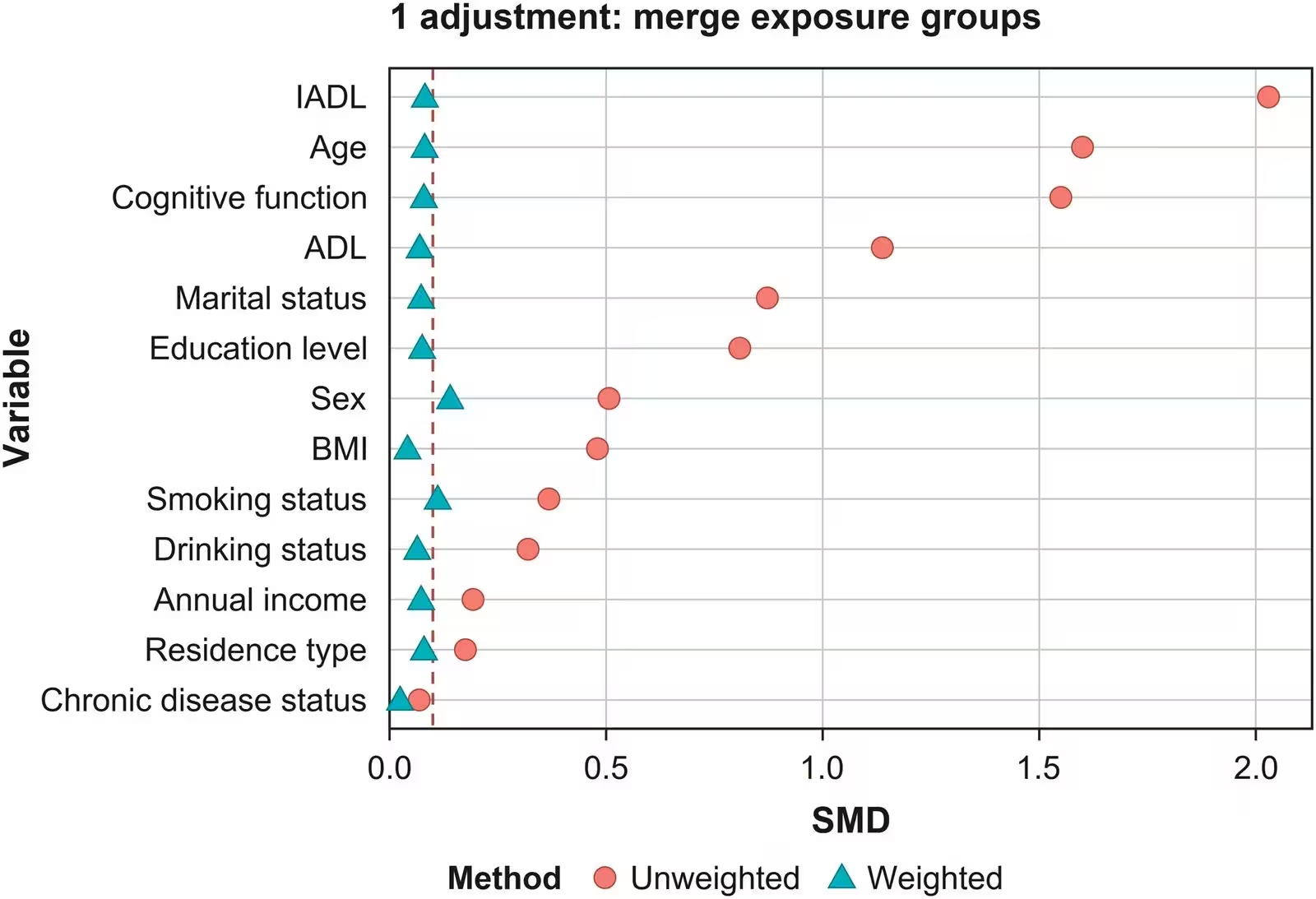
The research team, led by Ting Chen and colleagues from Wuhan University of Science and Technology, published their findings in PLoS One. The study followed thirteen thousand two hundred eighty-five older adults, applying advanced statistical weights to balance baseline characteristics such as age, sex, socioeconomic status, and preexisting chronic conditions.
How Many Different Hobbies Did Participants Track?
The study evaluated eight distinct domains of leisure pursuits, including household chores, outdoor pastimes, gardening, reading books or newspapers, pet care, board or card games, watching television or listening to the radio, and organized social gatherings. Frequency was grouped into three main categories consisting of never, occasionally, or almost every day. Because older adults often experience overlapping health factors that influence their lifestyle choices, the team utilized multinomial propensity score-based inverse probability weighting alongside a time-dependent Cox proportional hazards model.
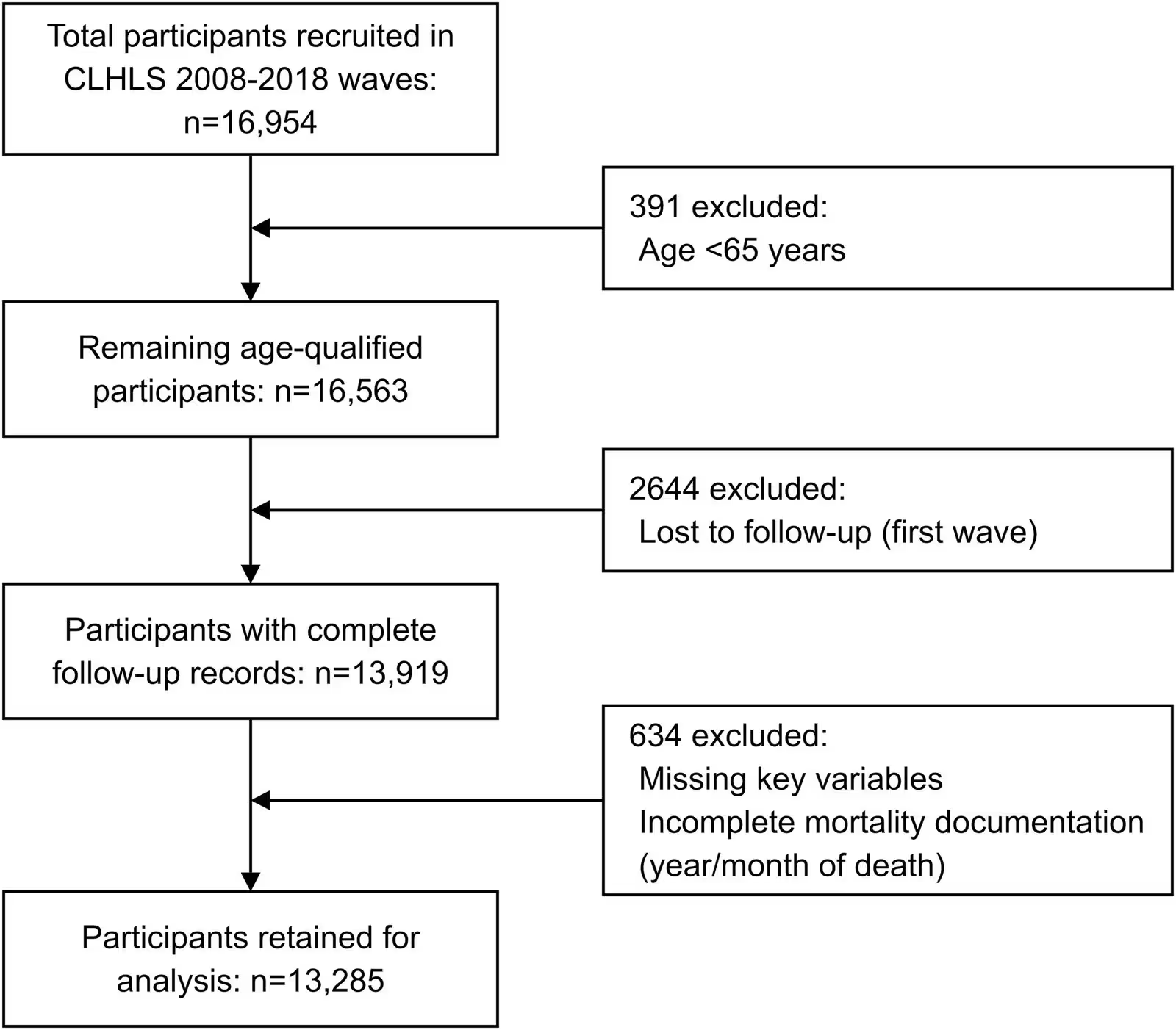
The analysis revealed a clear inverse dose-response relationship between the total count of leisure activities and all-cause mortality. Each additional activity type was associated with a ten percent lower hazard of death, yielding a hazard ratio of 0.90 with a ninety-five percent confidence interval ranging from 0.87 to 0.92. Participants engaging in five or more activities experienced the most pronounced survival benefits compared to those reporting zero hobbies.
Which Specific Daily Activities Showed the Strongest Links?
Virtually all examined domains showed protective associations when performed frequently. Almost daily engagement in housework, outdoor recreation, garden work, and watching television or listening to the radio correlated with significantly lower death risks across both male and female participants. For instance, near-daily gardening was associated with a notable decrease in mortality hazard, reflecting the combination of physical movement and outdoor exposure.
Cognitively stimulating activities also yielded intriguing patterns. Playing board or card games and reading books showed strong inverse associations, though some demographic variations emerged. Board game participation demonstrated a significant age interaction, showing strong protective effects specifically among adults aged eighty and older. Meanwhile, reading habits reached statistical significance primarily among female participants, which authors attribute in part to broader generational literacy gaps within the cohort.
What Are the Main Limitations of This Longevity Research?
Despite robust statistical adjustments, the observational design means residual confounding and reverse causation cannot be entirely ruled out. The study relied on activity counts without capturing precise duration, intensity, or energy expenditure. Furthermore, the reliance on some proxy questionnaire responses and the confinement of the cohort to older adults in China may limit direct generalizability to other cultural contexts.
The findings align closely with active aging theory and cognitive reserve frameworks, suggesting that multi-dimensional engagement activates multiple health-promoting pathways simultaneously. Maintaining a diverse routine of mental, physical, and social pastimes appears to bolster functional independence and support long-term survival in later life.
The research was published in PloS one on November 20, 2026.
This article has been fact checked for accuracy, with information verified against reputable sources. Learn more about us and our editorial process.
Last reviewed on .
Article history
- Latest version
Reference(s)
- Sun, ZeHao., et al. “Relationships between participation in leisure activities and mortality risk among adults aged 65 years and older in China: A propensity score-weighted cohort study.” PLOS One, vol. 21, no. 11, November 20, 2026, pp. e0362472 Public Library of Science (PLoS), doi: 10.1371/journal.pone.0362472. <https://doi.org/10.1371/journal.pone.0362472>.
Cite this page:
- Posted by Susan White