Home Visits And Goal Setting Help 30 Malawians With Psychosis Reach Recovery Milestones
A mixed-methods analysis of thirty participants in Malawi suggests that nurse-led home visits and structured planning support personal independence and work goals.
A community-based rehabilitation program in Malawi has shown that structured nurse visits and goal-setting help individuals with schizophrenia spectrum disorders make measurable progress toward employment, symptom reduction, and personal independence.
How Do People Living With Psychosis Define Recovery Goals?
Psychotic disorders are a leading global cause of disability, disrupting daily functioning, employment, and social connections. While antipsychotic medications help control symptoms, recovery-oriented care focuses on broader personal ambitions like financial independence, social reintegration, and returning to daily routines. To investigate how recovery models function in low-resource settings, researchers examined data from a pilot trial conducted in Blantyre, Malawi, published in PLOS Mental Health.
Led by Abigail Morrison from the University of North Carolina at Chapel Hill alongside colleagues, the study analyzed thirty community-dwelling adults living with psychosis and their primary caregivers who participated in an adapted community-based rehabilitation intervention. The trial evaluated thirty participants at baseline, tracking outcomes across a twelve-month period divided into stabilization, rehabilitation, and maintenance phases.

What Were the Main Findings of the Nurse-Led Rehabilitation Program?
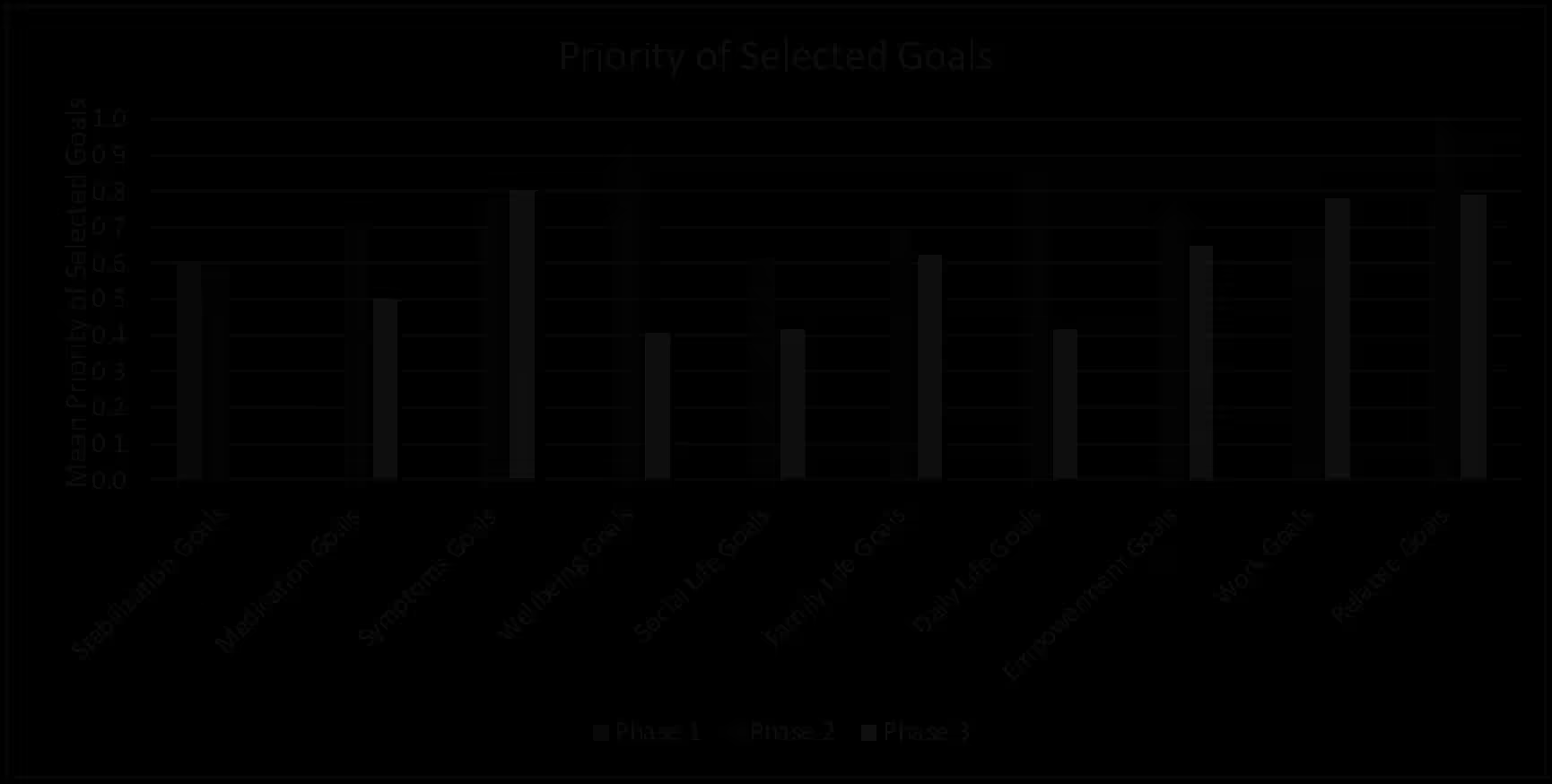
The intervention involved structured home visits delivered by psychiatric nurses who guided participants through personalized needs assessments and goal-setting exercises. Quantitative findings revealed that participants frequently prioritized relapse prevention, personal well-being, and work-related goals across the rehabilitation and maintenance phases. As the program progressed from phase to phase, nurses recorded a general decrease in the proportion of unmet needs across categories such as daily functioning and physical health.
Qualitative interviews conducted with a subset of twelve patients and fourteen caregivers provided deeper context for these trends. Many participants reported achieving specific personal milestones, such as managing household chores independently, engaging in small-scale piecework, or starting independent businesses. For instance, one participant successfully opened a barbershop, while others described feeling more energetic and capable of social interaction.
What Limitations Did the Pilot Study Identify?
Despite positive qualitative feedback regarding motivation and improved family dynamics, the findings point to specific gaps between participant ambitions and program offerings. While nurses encouraged economic activity and provided motivational interviewing techniques, participants noted that the intervention lacked direct financial capital support needed to launch larger business ventures. Similarly, caregivers attempting to address substance use concerns noted that the program did not provide targeted medical treatments for cravings.
The authors emphasize that because this investigation was a small pilot study without a control group comparison for these specific qualitative endpoints, the results serve primarily to describe patterns and inform future research. Larger clinical trials will be necessary to establish definitive effectiveness estimates for community-based rehabilitation models in similar low-resource regions.
The research was published in PLOS mental health on November 19, 2026.
This article has been fact checked for accuracy, with information verified against reputable sources. Learn more about us and our editorial process.
Last reviewed on .
Article history
- Latest version
Reference(s)
- Morrison, Abigail M.., et al. “Addressing the goals and needs of people living with psychosis in Malawi through community-based rehabilitation: A mixed methods analysis.” PLOS Mental Health, vol. 3, no. 11, November 19, 2026, pp. e0000791 Public Library of Science (PLoS), doi: 10.1371/journal.pmen.0000791. <https://doi.org/10.1371/journal.pmen.0000791>.
Cite this page:
- Posted by Tariq Hassan