Tiger Tail Sea Cucumber Extract Accelerates Healing in Infected Wounds
Marine researchers discover that bioactive compounds from a common sea cucumber reduce inflammation and promote tissue repair in rat models.
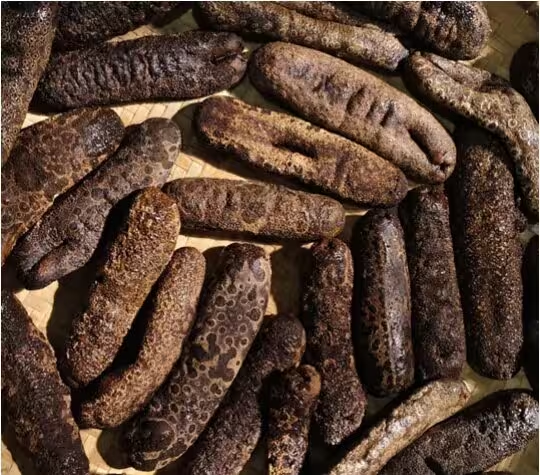
Marine researchers have discovered that a 36-centimeter tiger tail sea cucumber, scientifically known as Bohadschia argus, yields an ethanol extract capable of accelerating infected wound closure in laboratory rats. Marine animals have long drawn scientific interest for their complex bioactive molecules, but their specific healing properties against stubborn bacterial infections remain largely uncharted.
To investigate these therapeutic properties, a team of researchers led by Marianti A. Manggau from Hasanuddin University in Indonesia collected fresh specimens from the coastal waters of Takalar in South Sulawesi. The team dissected the marine invertebrates, processed their body walls, and extracted chemical constituents using an ethanol solvent. Liquid chromatography with mass spectrometry profiling revealed a complex chemical composition featuring 260 distinct metabolites, which the researchers further analyzed using antioxidant assays, animal trials, and computer simulations published in ACS Omega.
How Does Sea Cucumber Extract Fight Cellular Stress and Inflammation?
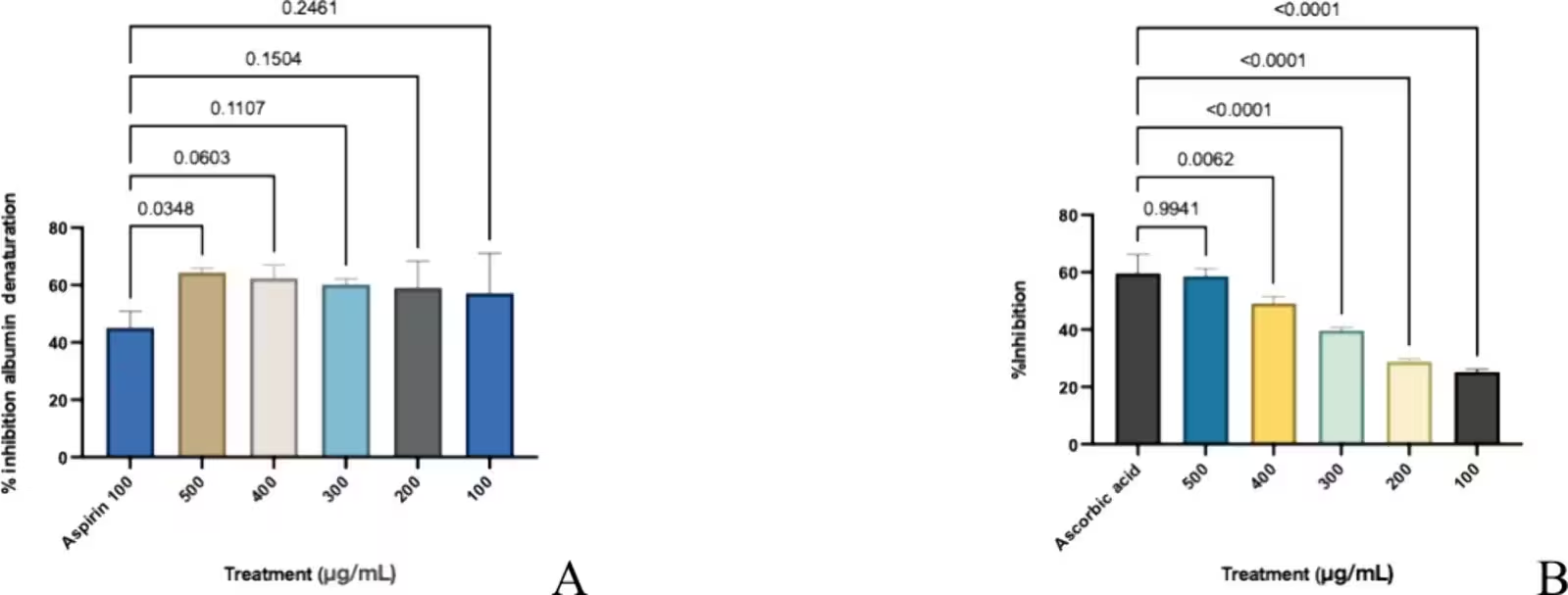
The laboratory evaluations demonstrated that the sea cucumber extract exhibits concentration-dependent antioxidant activity by scavenging nitric oxide radicals. In a protein denaturation assay meant to simulate inflammatory tissue damage, the extract inhibited albumin denaturation across concentrations ranging from one hundred to five hundred micrograms per milliliter. Although these in vitro results did not reach statistical significance when compared directly against standard pharmaceutical controls like ascorbic acid and aspirin, they revealed a consistent dose-dependent trend toward reducing cellular stress and stabilizing proteins.
The chemical profiling identified twelve prioritized compounds out of the two60 detected metabolites, including amino acids like L-phenylalanine, flavonoid-related cyanidin derivatives, and various steroidal molecules. These bioactive constituents appear to work synergistically to modulate inflammatory pathways. Computational docking simulations further confirmed that several of these isolated metabolites possess favorable binding affinities toward key human inflammatory targets, including tumor necrosis factor alpha, nuclear factor kappa B, and 5-lipoxygenase-activating protein.
Can Marine Extracts Heal Acute Wounds Infected with Dangerous Bacteria?
To test how these compounds perform in living biological systems, the team conducted animal trials using male Wistar rats divided into experimental groups. The researchers created multiple full-thickness excisional wounds on the dorsal skin of each animal and inoculated them with a suspension of Staphylococcus aureus, a dangerous bacterium known for causing persistent infections and treatment delays. Topical treatments using a one percent vaseline-based sea cucumber extract formulation were applied daily for ten consecutive days.
Macroscopic observations showed that wounds treated with the marine extract experienced faster wound contraction and clearer tissue repair compared to untreated negative controls. By day fourteen, the treated wounds displayed smaller residual areas and more uniform skin surfaces. Histopathological evaluations confirmed reduced inflammatory cell infiltration, enhanced fibroblast proliferation, increased capillary formation, and improved collagen organization across the inflammatory, proliferative, and maturation phases of healing.
What Safety Profiles and Bacterial Targets Did the Study Reveal?
Before any topical treatment can be considered for future clinical applications, researchers must verify that it does not damage healthy blood cells. An in vitro hemolysis test using rat erythrocytes demonstrated that the extract maintains good biocompatibility with negligible red blood cell lysis of less than five percent. Furthermore, molecular docking analyses against bacterial targets indicated that certain metabolites can interact with DNA gyrase-B, dihydrofolate reductase, and penicillin-binding protein, pointing to a dual mechanism that may address both inflammation and microbial survival simultaneously.
Despite these promising results, the authors noted several limitations in their exploratory investigation. The observed improvements in wound closure did not reach statistical significance in every comparative metric, and the precise contribution of direct antibacterial activity requires further isolation from the overall tissue-repair response. Future research will need to focus on dose optimization, detailed immunohistochemical biomarker validation, and advanced pharmaceutical formulations to fully establish the clinical potential of marine-derived therapeutics.
The research was published in ACS omega on November 3, 2026.
This article has been fact checked for accuracy, with information verified against reputable sources. Learn more about us and our editorial process.
Last reviewed on .
Article history
- Latest version
Reference(s)
- Manggau, Marianti A.., et al. “Effects of Tiger Tail Sea Cucumber Bohadschia argus on Wound Healing In Vitro and In Vivo Using an Acute Rat Model Infected with Staphylococcus aureus.” ACS Omega, vol. 11, no. 45, November 3, 2026, pp. 69532-69542. American Chemical Society (ACS), doi: 10.1021/acsomega.5c12590. <https://doi.org/10.1021/acsomega.5c12590>.
Cite this page:
- Posted by Kamran Akhtar