Marine Bacteria Feed Supplement Boosts Seabass Survival To Ninety-Five Percent
Adding seawater-cultivated Streptomyces to fish feed enhances antioxidant defenses and intestinal health in European seabass without altering growth rates.
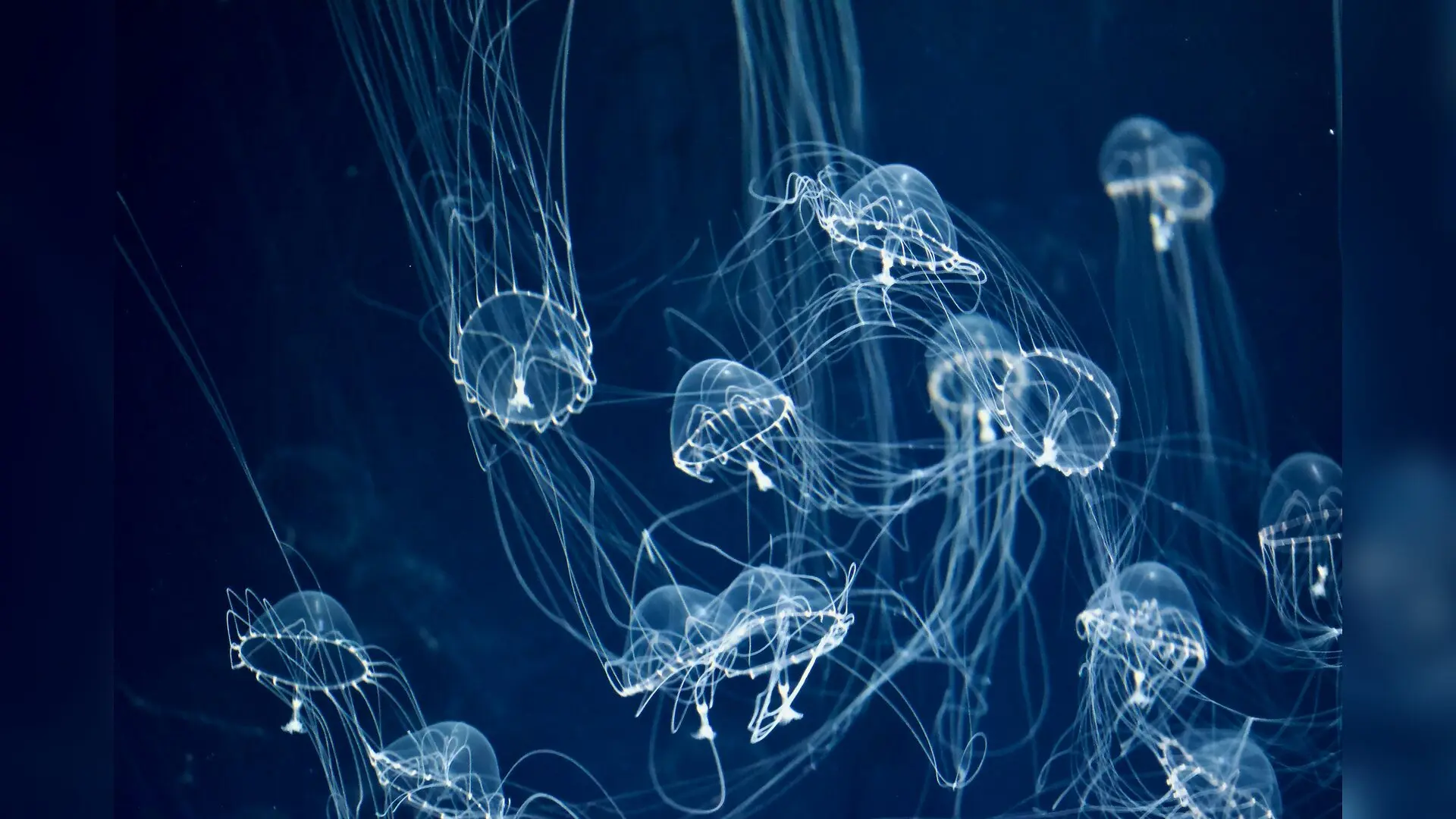
Adding marine-derived bacteria to fish feed can boost survival rates in European seabass (Dicentrarchus labrax) to ninety-five percent while strengthening their antioxidant defenses, according to a controlled study. Intensive aquaculture often exposes fish to crowded conditions that trigger oxidative stress, immune suppression, and intestinal damage. To counter these problems without relying on terrestrial resources, researchers investigated whether specialized bacteria from the sea could serve as functional feed additives for farmed fish.
How Marine Bacteria Were Cultivated Using Seawater Media
A team of scientists led by M. M. Ehab at the National Institute of Oceanography and Fisheries in Egypt cultivated six marine actinomycete strains, specifically Streptomyces griseus and Streptomyces mutabilis, in a seawater-based starch nitrate medium. The study is published in Applied Microbiology and Biotechnology, detailing how this marine formulation allowed the microorganisms to produce high biomass yields. Specifically, Streptomyces griseus yielded about twenty-four grams per liter, while Streptomyces mutabilis produced nearly twenty-four grams per liter of nutrient-dense dry cell mass. Biochemical analysis revealed that the harvested biomass was rich in proteins, lipids, and carbohydrates, making it a suitable candidate for aquatic nutrition.
What Happened During the Sixty-Day Feeding Trial
Following laboratory cultivation, the researchers incorporated the dried bacterial biomass into five different experimental diets for juvenile European seabass with an initial average weight of zero point three grams. The control group received a standard reference diet, while the treatment groups received diets supplemented with either one percent or two percent of Streptomyces griseus or Streptomyces mutabilis. Over sixty days of controlled feeding in fifteen separate tanks, the fish were monitored for growth, survival, and physiological responses.
The feeding trial showed no statistically significant differences in final weight gain or specific growth rate among the dietary groups. However, the survival rate increased notably across all supplemented groups compared to the control group, which recorded a survival rate of eighty percent. The group receiving two percent Streptomyces griseus achieved the highest survival rate at ninety-five percent, demonstrating improved physiological resilience under the test conditions.
How Muscle Biomarkers and Antioxidant Defenses Improved
Biochemical analysis of muscle tissue revealed that the optimal diet containing two percent Streptomyces griseus significantly elevated total protein and globulin levels while reducing the activity of liver enzymes such as aspartate aminotransferase and alanine aminotransferase. This pattern points toward enhanced cellular stability and reduced metabolic stress. Furthermore, this same dietary group displayed the strongest antioxidant profile, featuring peak activities for superoxide dismutase and catalase, alongside the highest total antioxidant capacity and the lowest levels of malondialdehyde, a primary marker of cellular lipid damage.
Why Intestinal Architecture and Goblet Cells Benefited
Microscopic examination of the proximal intestine showed that bacterial supplementation transformed mucosal architecture. Fish fed the two percent Streptomyces griseus diet exhibited a dramatic increase in villus length, achieving an average of nearly twenty-seven hundred micrometers compared to about eleven hundred micrometers in the control group. Epithelial thickness and goblet cell density also increased significantly, which helps strengthen the intestinal mucosal barrier against pathogens and improves overall nutrient retention.
The authors concluded that while growth rates remained stable under optimized basal nutrition, the targeted inclusion of marine-derived actinomycetes successfully protects fish health by improving antioxidant status and mucosal integrity. Future research will need to examine whether these benefits remain consistent over longer production cycles in commercial farming environments.
The research was published in Applied microbiology and biotechnology on November 21, 2026.
This article has been fact checked for accuracy, with information verified against reputable sources. Learn more about us and our editorial process.
Last reviewed on .
Article history
- Latest version
Reference(s)
- Ehab, Malak M.., et al. “Marine Streptomyces biomass as a novel functional feed additive for improving the health and growth of European seabass.” Applied Microbiology and Biotechnology, vol. 110, no. 1, November 21, 2026 Springer Science and Business Media LLC, doi: 10.1007/s00253-026-14049-9. <https://doi.org/10.1007/s00253-026-14049-9>.
Cite this page:
- Posted by Kamran Akhtar