Portable Sensor Detects Toxic Marine Algae Threats Right at the Water Edge
A new electrochemical biosensor measures harmful algal toxins in minutes, offering a rapid way to safeguard coastal fisheries.
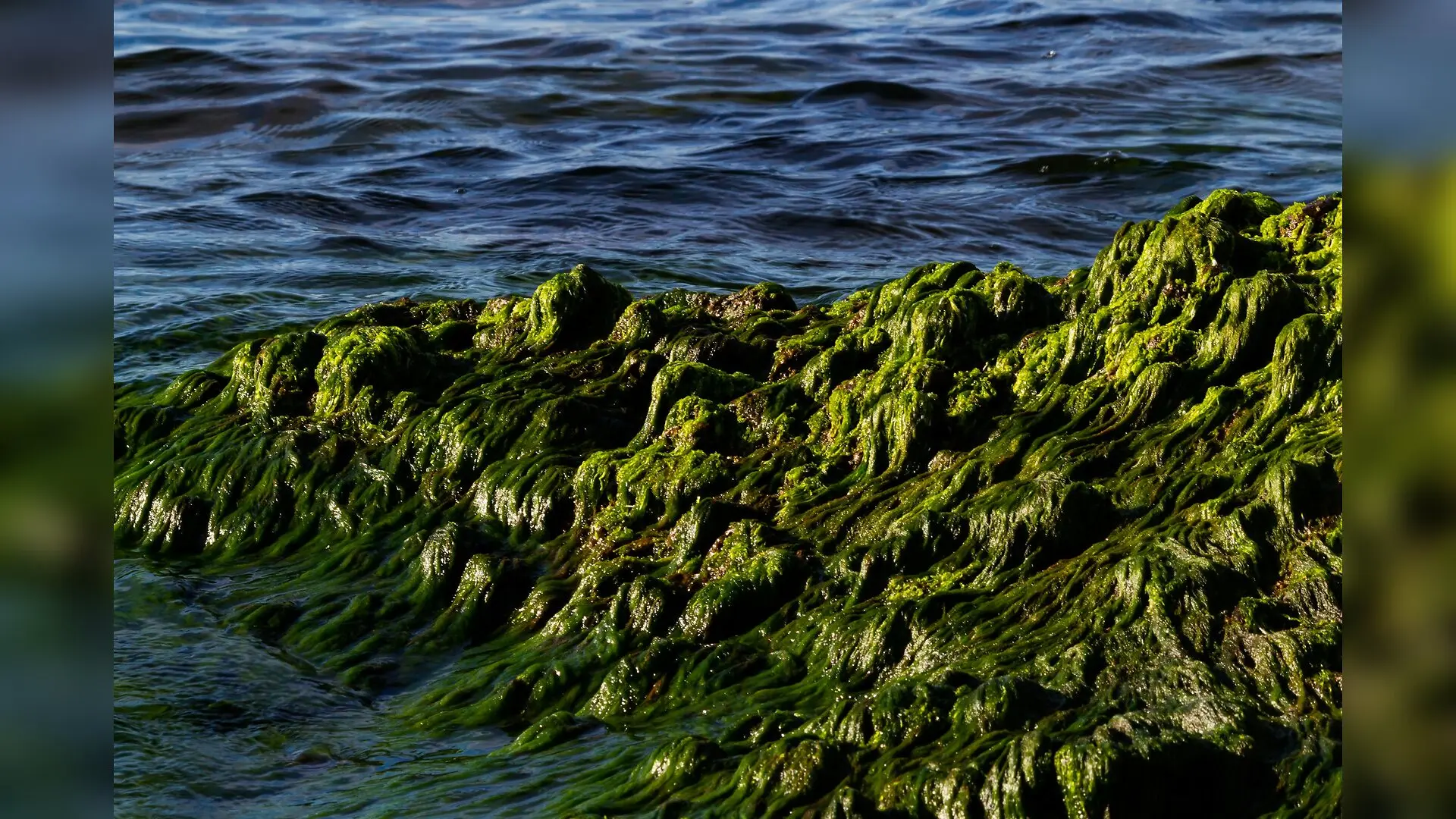
Deep beneath the surface of the sea, microscopic creatures called toxic microalgae produce dangerous compounds that eventually accumulate in marine life and threaten human seafood safety. Scientists have long struggled to monitor these invisible marine threats in real time without hauling endless water samples back to distant shore laboratories. Now, a team of researchers has developed a portable biosensor system that detects these natural toxins right at the water’s edge. The new method brings laboratory-grade water testing directly to coastal aquaculture sites, cutting down the time it takes to spot dangerous algal blooms.
How Can Electrochemical Biosensors Track Microscopic Algae Toxins in Real Time?
The research, published in ACS Environmental Au, details a specialized electrochemical approach designed to capture and measure toxins produced by harmful marine microalgae. Led by Lisandro Díaz-Asencio alongside colleagues at several research institutions, the study focuses on streamlining how environmental agencies screen for regulated marine poisons. Instead of traditional, time-consuming chemical analysis that requires large laboratory instruments, this portable setup relies on engineered recognition elements that bind specifically to the target molecules. When the toxins attach to the sensor surface, they trigger a minute electrical change that reflects the exact concentration of the poison in the sample.
Harmful algal blooms occur when certain species of single-celled marine organisms multiply rapidly in coastal waters, often driven by shifts in water temperature and nutrient pollution. These microscopic blooms can produce potent neurotoxins that accumulate in filter-feeding shellfish like mussels, oysters, and clams. If humans consume contaminated seafood, they can suffer from severe gastrointestinal and neurological illnesses. By deploying decentralized sensing tools directly in the field, environmental workers can test local waters and suspect seafood stocks in minutes rather than days, offering a vital early warning system for local fisheries and public health officials.
What Do the Field Tests Reveal About Sensor Accuracy and Reliability?
During testing across various coastal environments, the research team evaluated how well the electrochemical device performed against standard reference methods. The authors found that the biosensor maintained high sensitivity even when exposed to complex seawater matrices filled with organic debris and varying salt levels. This resilience is crucial because natural ocean water contains thousands of interfering compounds that typically disrupt delicate chemical assays. The portable design successfully detected trace levels of toxins well below the safety thresholds mandated for human consumption.
Despite these promising results, the authors emphasize that further field trials are necessary before widespread commercial adoption can begin. Real-world conditions such as sudden temperature swings, biofouling where organisms grow on the sensor surface, and extreme pH shifts can still affect long-term durability. The team is currently working on refining the protective coatings around the electrodes to prevent organic fouling during extended underwater deployments.
What Happens Next for Coastal Algal Monitoring Technology?
The successful laboratory and preliminary field tests point toward a future where automated, continuous water quality monitoring becomes standard practice for coastal communities. Researchers aim to integrate these electrochemical sensors into autonomous buoys equipped with wireless transmitters to relay toxin levels directly to local authorities. Such advancements would allow aquaculturists to temporarily halt harvesting operations long before toxic shellfish ever reach local markets. As warming oceans encourage more frequent and intense algal blooms around the globe, deploying rapid diagnostic tools at sea represents a critical step in adapting to changing marine ecosystems.
The research was published in ACS environmental Au on November 21, 2026.
This article has been fact checked for accuracy, with information verified against reputable sources. Learn more about us and our editorial process.
Last reviewed on .
Article history
- Latest version
Cite this page:
- Posted by Kamran Akhtar