How Integrating Protein and Genomic Data Transforms Modern Disease Diagnosis
A comprehensive review highlights how proteogenomic profiling connects genetic variants to functional protein consequences across major complex diseases.
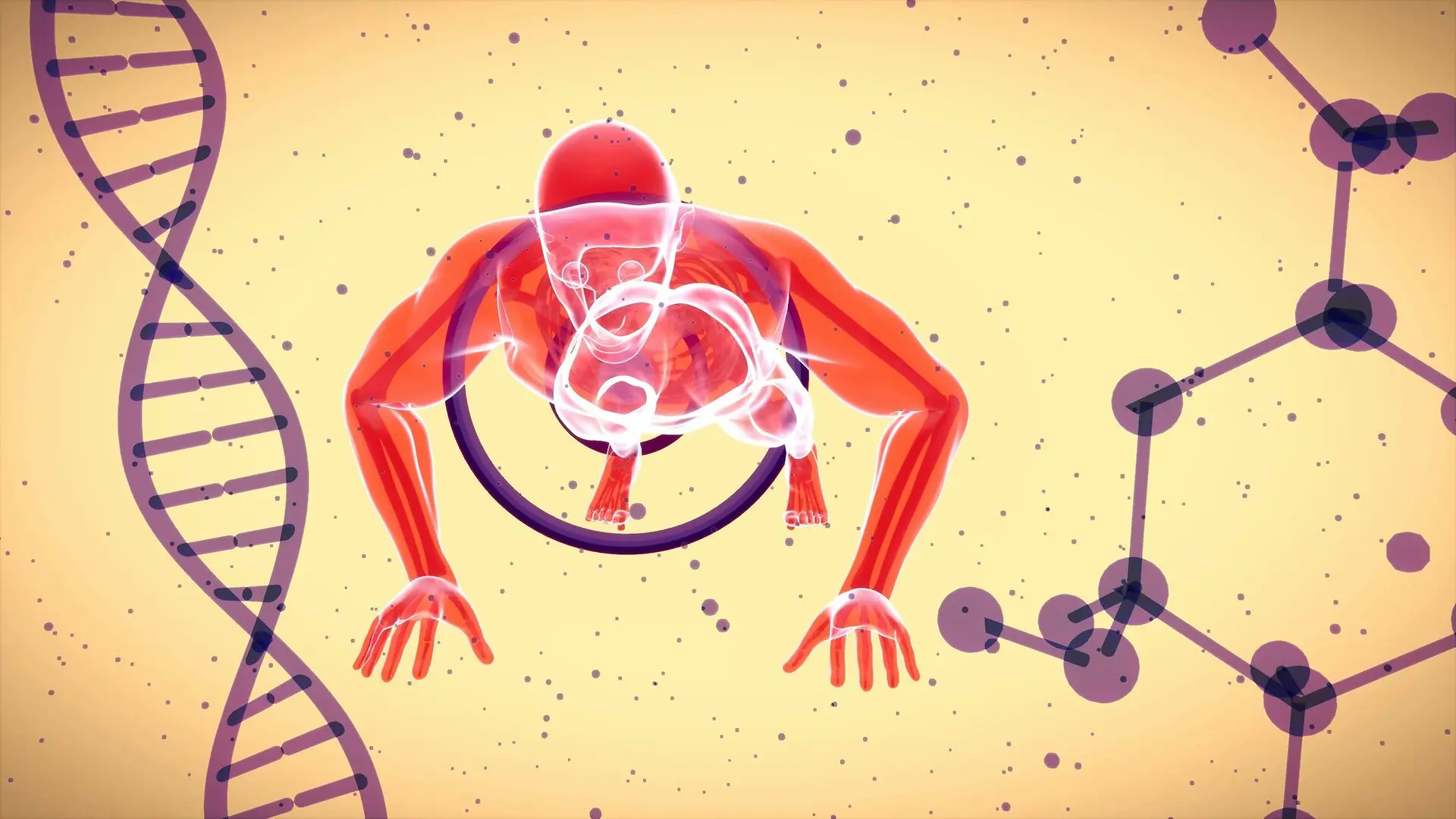
Complex diseases like cancer, diabetes, and heart disorders stem from a deeply tangled web of inherited risks, environmental exposures, and cellular changes that defy simple diagnosis. Traditional medicine usually classifies these conditions based on outward physical symptoms and single genes, but these classic models frequently fail to explain why a disease starts, progresses, or resists treatment.
To bridge this knowledge gap, an interdisciplinary approach known as proteogenomics merges DNA and RNA sequencing data with actual protein measurements to reveal how biological instructions translate into physical reality. A comprehensive review published in Cureus by Preeti Sharma and colleagues from various institutions synthesizes how these combined molecular signatures can reshape precision medicine across oncology, cardiology, neurology, and immunology.
Why Does DNA Data Alone Fall Short in Modern Medicine?
Modern genomic technologies have revolutionized medical research by pinpointing pathogenic gene variants, copy number variations, and inherited risk patterns across entire genomes. However, the total abundance of proteins, their cellular functions, and their vulnerability to drugs cannot be consistently predicted using DNA or RNA data alone. A genetic variant may have no biological effect, or its impact might only become active through a downstream molecular network that is invisible in the genetic sequence.
The final functional phenotype of a disease, meaning its actual behavior inside the body, is executed at the protein level by enzymes, receptors, signaling mediators, and immune regulators. Proteogenomics bridges this divide by integrating genomic information with protein expression, isoforms, post-translational modifications, and pathway activity. This strategy offers a functional view of disease biology by linking molecular variations directly to cell function and clinical presentation.
How Do Alternative Splicing and Protein Modifications Shape Disease?
Alternative splicing allows a single gene to produce multiple distinct protein variants, or isoforms, which can exhibit entirely different cellular localizations, binding properties, or drug sensitivities. In cancer, aberrant splicing and somatic mutations can create novel neoantigens, which are altered surface peptides that help researchers discover new targets for immunotherapy. Changes in protein networks can signal inflammatory, metabolic, or neurological pathway disruptions long before any clinical symptoms become apparent to a patient.
Furthermore, chemical alterations occurring after protein translation, such as phosphorylation, acetylation, and glycosylation, can radically alter protein activity without changing the underlying DNA sequence. These modifications regulate vital cellular processes, including signal transduction, immune activation, and stress responses. By mapping these protein-level events, researchers can identify active disease mechanisms rather than relying solely on passive genetic markers.
What Are the Major Challenges in Translating Proteogenomics to Clinics?
Despite its vast potential, clinical adoption of proteogenomic profiling faces significant hurdles, including technical heterogeneity, high infrastructure costs, and a lack of standardized workflows. Proteogenomic datasets are often limited to specific populations and diseases, making it difficult to compare results across different laboratories and sequencing platforms. Limited ancestral diversity in genomic and proteomic databases can also introduce algorithmic bias and widen healthcare disparities in resource-limited regions.
Data complexity remains a major barrier because integrating genomic, transcriptomic, proteomic, and metabolomic data requires robust bioinformatics infrastructure and careful batch correction. Issues concerning genomic privacy, patient consent, unexpected incidental findings, and reimbursement policies must also be resolved. Future clinical success will depend on harmonized laboratory protocols, large multicenter validation cohorts, and prospective clinical-utility studies that prove these advanced molecular methods genuinely improve patient outcomes.
The research was published in Cureus on November 23, 2026.
This article has been fact checked for accuracy, with information verified against reputable sources. Learn more about us and our editorial process.
Last reviewed on .
Article history
- Latest version
Cite this page:
- Posted by Faisal Qureshi