Midwestern Pregnancy Study Finds No Clear Link Between Common Weed Killer And Cellular Stress Biomarkers
Researchers tracking chemical breakdown products in 161 expectant mothers in Illinois observed no significant elevation in cellular stress markers despite heavy local agricultural use.
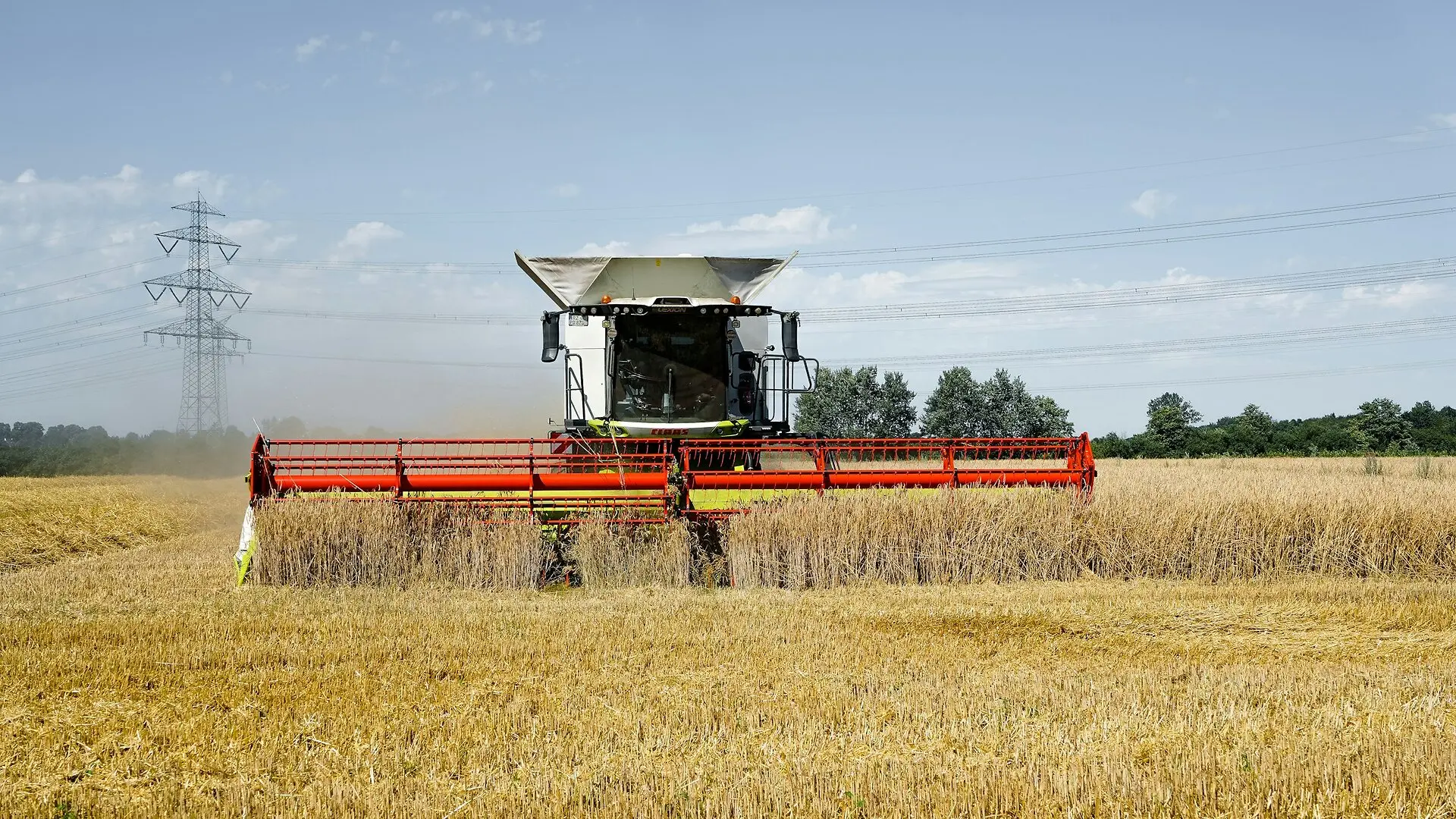
Pregnant women living in an intensive corn-growing region of the American Midwest showed no clear biological markers of cellular damage linked to common weed-killing chemicals. Researchers tracked chemical breakdown products in urine samples from 161 expectant mothers to see if high local agricultural herbicide use correlated with heightened internal stress on cells and tissues.
While laboratory dish experiments and animal tests often suggest that the popular weed killer glyphosate can trigger chemical imbalances and cellular strain, human population studies remain sparse. To address this gap, Julia M. Arwari and her colleagues at Emory University and collaborating institutions analyzed samples from participants enrolled in the Illinois Kids Development Study (published in ACS Nutrition Science). The team focused on Urbana-Champaign, Illinois, a city surrounded by extensive corn and soybean fields where agricultural chemicals are frequently applied.
How Much Chemical Exposure Was Found in Midwstern Urine Samples?
The researchers measured first-trimester urine concentrations of glyphosate and its primary environmental breakdown product, aminomethylphosphonic acid, which is commonly called AMPA. They also tested for four specific biological indicators of cell stress known as F2-isoprostanes, which are reliable chemical signals reflecting damage to fats and cell membranes caused by reactive oxygen molecules.
Among the 161 participants, whose average age was 31 years, the geometric mean concentration of glyphosate was about zero point eleven nanograms per milliliter, while AMPA appeared at a geometric mean of about zero point zero three nanograms per milliliter. More than 92 percent of the urine samples contained detectable glyphosate, confirming widespread low-level exposure among residents living near intensive crop production.
Did Chemical Levels Correlate With Increased Cellular Strain?
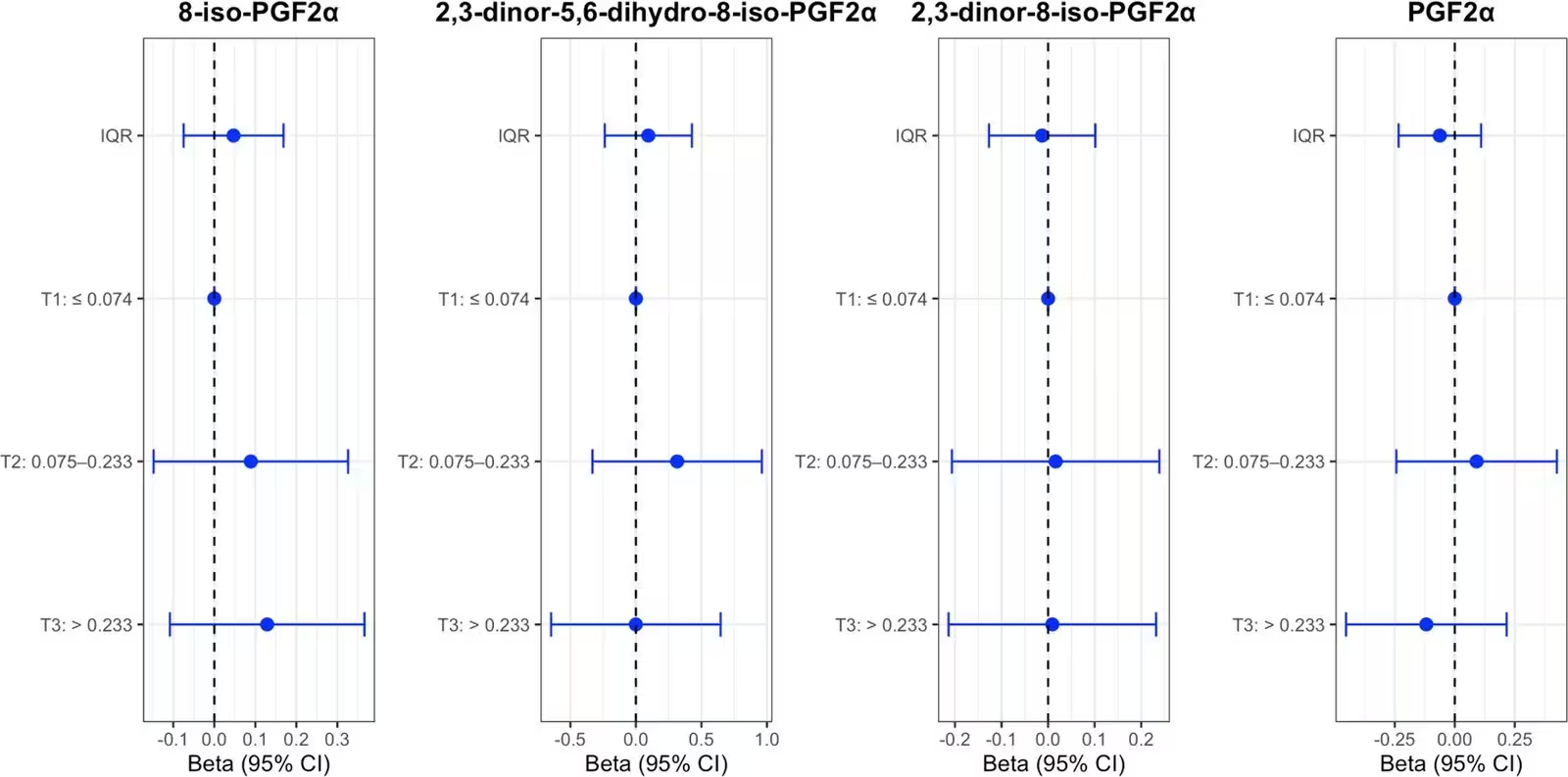
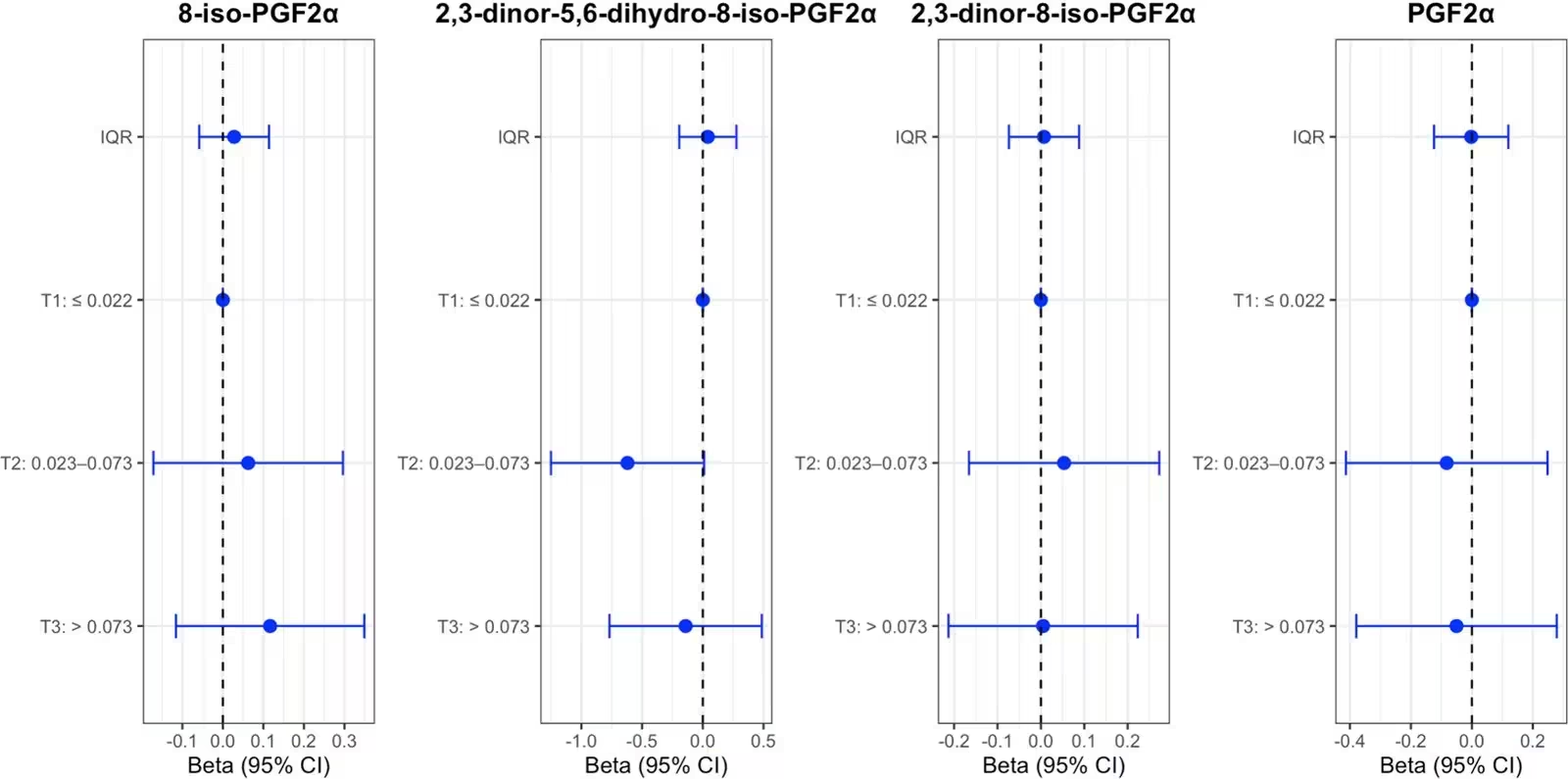
When the researchers performed multivariable linear regression models accounting for factors like pre-pregnancy body mass index, maternal age, diet, and education, they found no strong or statistically significant associations between the herbicide markers and any of the four cell stress biomarkers. For instance, an interquartile range increase in glyphosate showed only a negligible and statistically non-significant change in the primary stress marker known as 8-iso-PGF2alpha.
Dividing the exposure levels into tertiles to check for potential non-linear dose-response patterns similarly revealed wide confidence intervals that crossed the null hypothesis. Although laboratory rodent and amphibian studies have repeatedly documented antioxidant depletion and lipid damage following high-dose exposures, human biomarkers in this Midwestern cohort did not reflect the same biochemical disruption.
What Are the Limitations and Future Research Directions?
The authors noted several important caveats when interpreting their results. The relatively modest sample size of 161 individuals limited statistical power, and measuring chemicals at a single time point during pregnancy may not capture shifting exposure levels over all three trimesters. Because glyphosate has a short urinary half-life of roughly 10 hours, single spot samples reflect only very recent dietary or environmental intake rather than long-term cumulative exposure.
Furthermore, the study population was largely non-Hispanic white, highly educated, and employed, which restricts how broadly these conclusions apply to other demographics. Future investigations featuring larger, more diverse participant pools, repeated biomarker collections across pregnancy, and measures of oxidative DNA damage will help clarify whether specific windows of vulnerability exist during human gestation.
The research was published in ACS nutrition science on October 12, 2026.
This article has been fact checked for accuracy, with information verified against reputable sources. Learn more about us and our editorial process.
Last reviewed on .
Article history
- Latest version
Reference(s)
- Arwari, Julia M.., et al. “Associations between Prenatal Urinary Biomarkers of Glyphosate and Aminomethylphosphonic Acid and Oxidative Stress in the Illinois Kids Development Study.” ACS Nutrition Science, vol. 1, no. 6, October 12, 2026, pp. 550-558. American Chemical Society (ACS), doi: 10.1021/acsnutrsci.6c00074. <https://doi.org/10.1021/acsnutrsci.6c00074>.
Cite this page:
- Posted by Elizabeth Taylor