Simple Gene Variant Helps Children Control HIV Without Drugs
Natural killer cells and low HLA-A expression drive viral control in early-treated infants, according to a South African cohort study.
A genetic analysis of 274 children in South Africa reveals that natural killer immune cells help control HIV when antiretroviral treatment starts immediately after birth. The research, published in PLOS Pathogens, shows that infants with specific low-expressing gene variants maintain smaller viral reservoirs.
How Early Treatment Shapes the Immune System
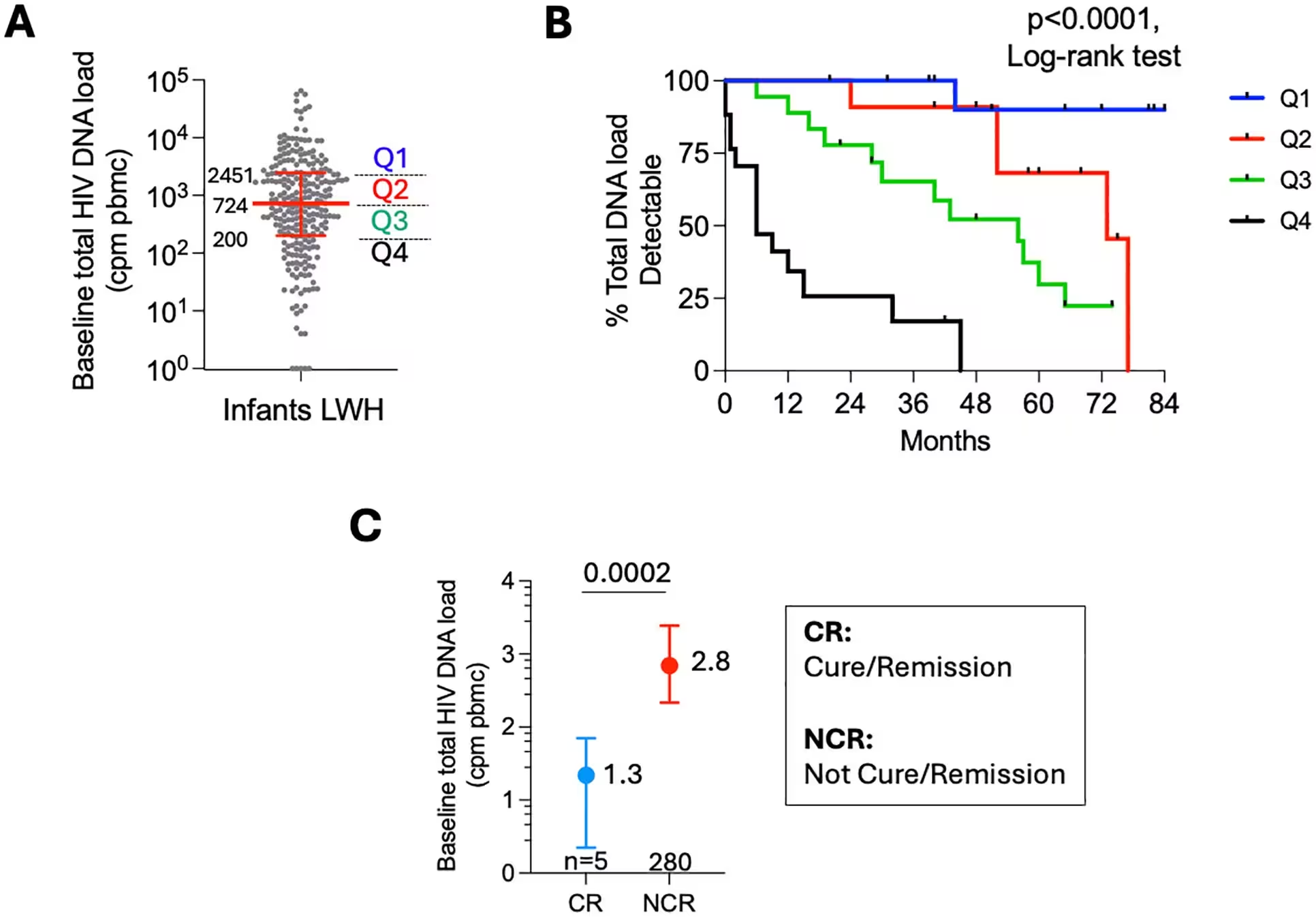
Starting antiretroviral therapy within minutes of birth reduces the size of the viral reservoir and limits viral diversity. Researchers followed 274 children from KwaZulu-Holstein, South Africa, who acquired HIV vertically from their mothers, tracking them for up to seven years. Lower amounts of viral DNA at birth correlated directly with the time it took for children to reach undetectable viral DNA levels on therapy.
The study highlights five male participants who experienced unscheduled treatment interruptions and maintained natural viral suppression without drugs for up to 17 months. These atypical controllers shared unusually low baseline viral DNA loads, pointing to early biological advantages in keeping the virus in check.
The Role of Natural Killer Cells and Gene Expression
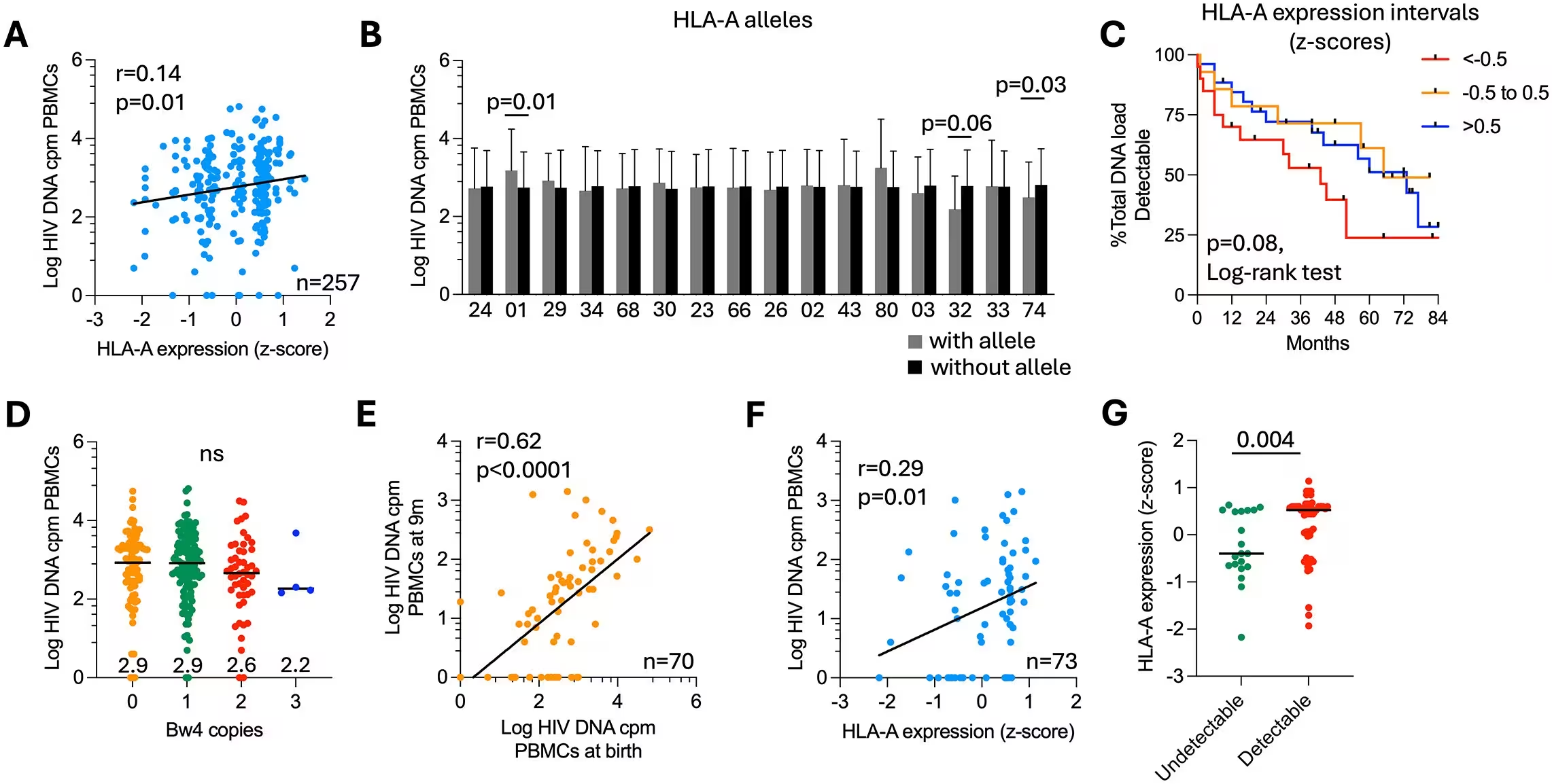
Natural killer cells form part of the innate immune system and act as a first line of defense against viral infections. Investigators discovered that low expression of the human leukocyte antigen A gene, known as HLA-A, associated with smaller viral DNA loads at birth and at nine months of age. Low-expressing variants like HLA-A*74 correlated with reduced viral persistence.
Cellular profiling demonstrated that children with low HLA-A expression possessed higher levels of activating receptors such as NKG2D on specialized CD56-dim natural killer cells. Statistical modeling confirmed that NKG2D receptor frequency served as a stronger predictor of total viral DNA than HLA-A expression levels alone. These immune cells showed enhanced degranulation and functional capacity, suggesting they actively suppress infected cells.
Sex Differences and Inflammatory Pathways
The investigation uncovered notable differences between male and female participants regarding immune activation and viral control. While females generally displayed stronger natural killer cell functionality, those carrying protective HLA-B alleles exhibited higher baseline viral DNA loads. Proteomic profiling revealed that females with protective HLA-B variants experienced significant upregulation of the interleukin-17 signaling pathway.
Because interleukin-17 promotes inflammation and drives CD4-positive T-cell susceptibility, this pathway appears to increase viral replication targets in female infants. Androgen receptor signaling in males naturally suppresses this inflammatory pathway, which may partially explain why male infants showed a higher frequency of natural post-treatment control in this cohort.
The research was published in PLOS Pathogens on November 19, 2026.
This article has been fact checked for accuracy, with information verified against reputable sources. Learn more about us and our editorial process.
Last reviewed on .
Article history
- Latest version
Reference(s)
- Herbert, Nicholas G.., et al. “Low HLA-A expression linked to NK cell phenotype and functionality is associated with low total HIV-1 DNA and cure/remission in very early art-treated children.” PLOS Pathogens, vol. 22, no. 11, November 19, 2026, pp. e1014788 Public Library of Science (PLoS), doi: 10.1371/journal.ppat.1014788. <https://doi.org/10.1371/journal.ppat.1014788>.
Cite this page:
- Posted by Faisal Qureshi