Marine Grazers Transform Coastal Habitats in Surprising Ways Revealed by New Study
New research shows how tiny herbivores reshape coastal ecosystems, challenging traditional conservation models and highlighting the need for adaptive management.
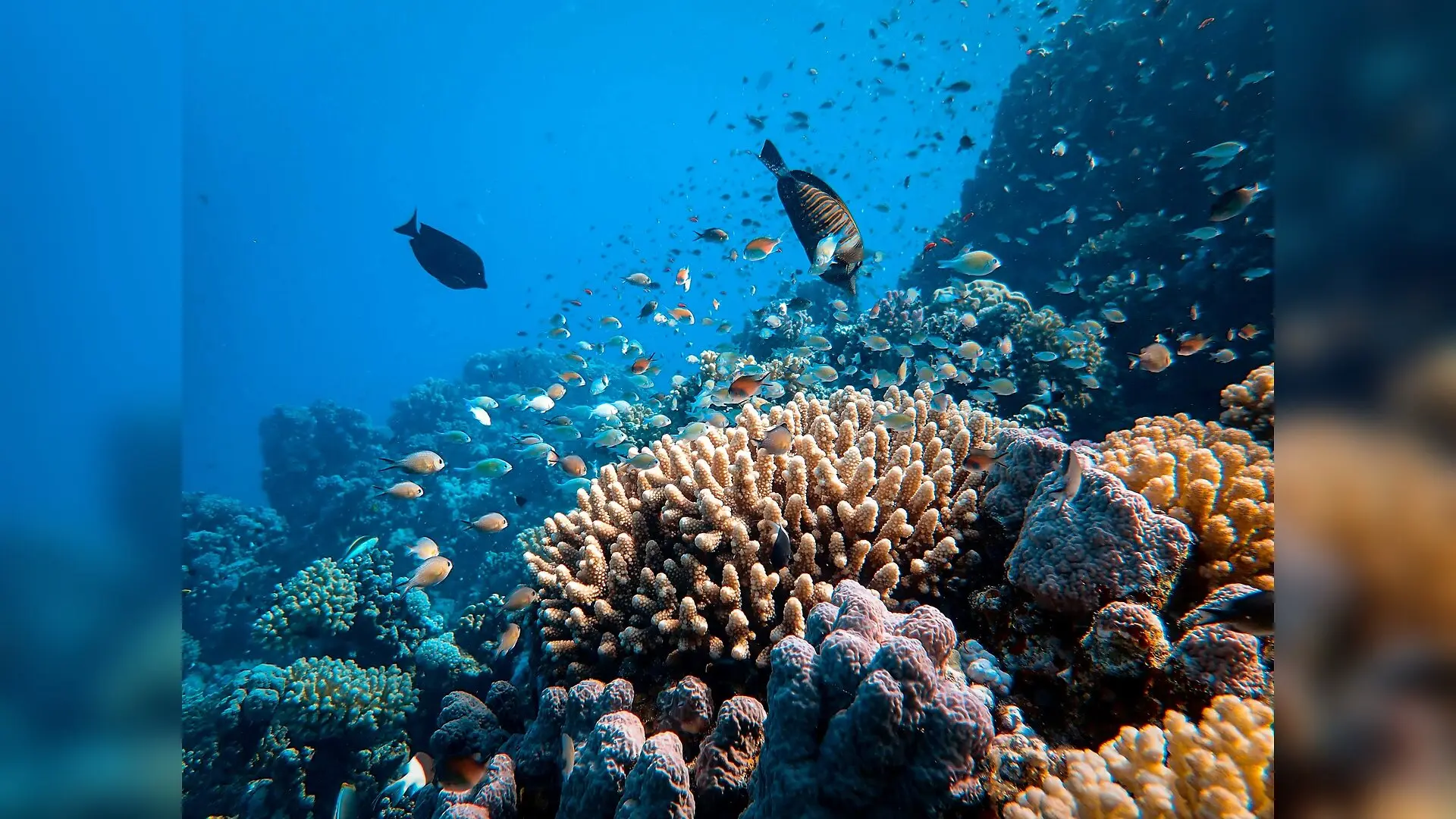
Marine biologists have uncovered a surprising ecological dynamic along the coast, where specific grazing rates among herbivores are shifting structural habitats in unexpected ways. W. McLaughlin and colleagues at their respective institutions examined these changing interactions to understand how subtle shifts in feeding behavior ripple across coastal zones. The research, published in Science Advances, details how population densities and seasonal variations influence these delicate coastal food webs.
How Do Tiny Grazers Shape Entire Coastal Landscapes Over Time?
To grasp the full picture, researchers tracked how various marine species interact within their specific habitats over multi-year observation periods. By recording feeding frequencies and monitoring changes in local flora, the team mapped the gradual transformation of the environment. These observations reveal that even minor alterations in animal behavior can lead to large-scale modifications in physical surroundings. The team combined field surveys with detailed ecological modeling to evaluate the long-term sustainability of these marine regions.
The study found that specific herbivore populations exert intense pressure on foundational plant species, altering shelter availability for smaller organisms. As these grazers consume vital vegetation, the underlying physical structure of the habitat undergoes noticeable transformation. Such changes complicate traditional conservation models, which often assume stable relationships between predators, herbivores, and primary producers. The authors noted that these shifts require a recalibration of how environmental managers approach coastal preservation.
What Does This Mean for the Future of Vulnerable Marine Habitats?
Understanding these mechanisms helps scientists predict how coastal zones might respond to ongoing climatic and environmental pressures. While the data points to clear correlations between herbivore density and habitat degradation, the researchers caution that local variables play a massive role. Factors such as water temperature, nutrient runoff, and human activity can amplify or dampen the observed ecological effects. Consequently, conservation strategies must remain adaptable rather than relying on one-size-fits-all approaches.
The findings emphasize the importance of monitoring community-level interactions rather than focusing solely on single endangered species. By paying closer attention to the everyday habits of common marine organisms, scientists can better anticipate tipping points in fragile ecosystems. Future research initiatives will likely expand on these findings by testing how additional environmental stressors influence grazing rates across different geographic regions.
The research was published in Science advances on November 20, 2026.
This article has been fact checked for accuracy, with information verified against reputable sources. Learn more about us and our editorial process.
Last reviewed on .
Article history
- Latest version
Cite this page:
- Posted by Omar Mirza