How Global Environmental Change Is Rewiring Plant Seed Dispersal And Species Survival
Animal losses and rapid climate shifts are outpacing natural plant migration, threatening global biodiversity.
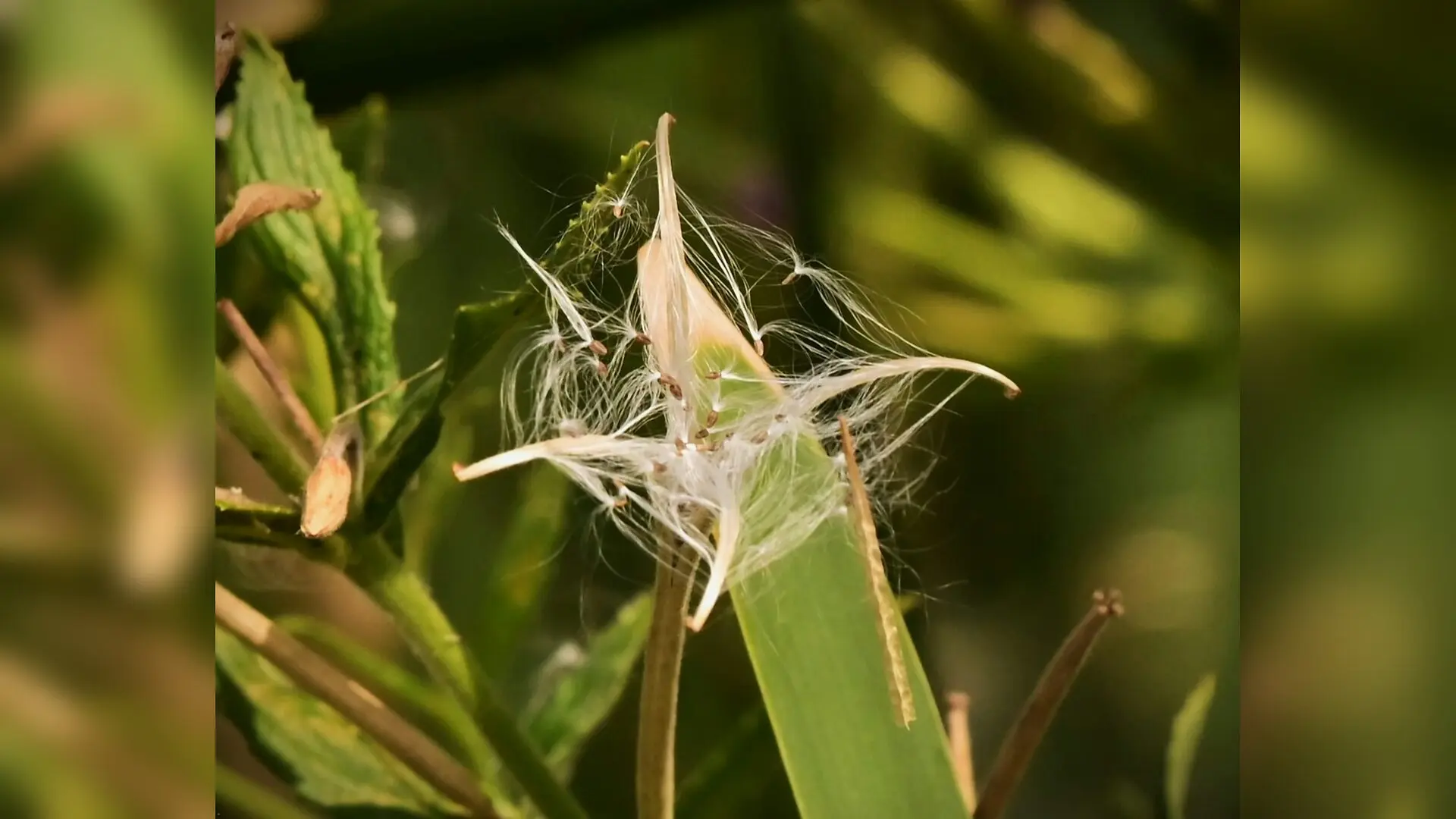
Global plant dispersal is undergoing profound transformations as shifting climate patterns, habitat destruction, and animal losses alter how seeds move across landscapes. A comprehensive new narrative review reveals that while many plant populations are attempting to track shifting climate zones, their natural dispersal capacities frequently fail to match the velocity of contemporary environmental change.
How Do Changing Environments Alter Plant Dispersal Dynamics?
Plant dispersal functions as a vital life-history stage that shapes species distributions and community assembly, yet global environmental alterations are disrupting these essential processes. According to a study published in Frontiers in Systems Biology by Ioan Valentin Petrescu-Mag and colleagues, seed movement cannot be viewed as an invariant species attribute. Instead, it is a dynamic eco-evolutionary process responsive to selective pressures such as temperature anomalies, habitat fragmentation, and the disappearance of animal vectors.
The research synthesizes literature across multiple scientific disciplines, tracking how biological traits adapt to fragmented ecosystems. For example, species with short generation times, such as annual herbs, can evolve rapid adjustments in seed morphology when exposed to disturbed habitats. Conversely, long-lived woody plants experience demographic inertia, relying heavily on phenotypic plasticity and existing trait variations to cope with environmental stress.
Why Is Animal Defaunation Crippling Plant Migration?
Animal-mediated seed dispersal, known as zoochory, is heavily compromised by the global loss of large birds and mammals. Trait-based estimates indicate that historical defaunation has already reduced the capacity of plants to track climate change through geographic migration by about 60 percent. When large frugivores disappear from fragmented forests, large-seeded plant species lose their primary transport mechanisms, leading to localized population declines and evolutionary shifts toward smaller seed sizes.
Furthermore, human-mediated transport pathways, termed anthropochory, are increasingly overriding natural movement patterns. Infrastructure such as roads, agricultural trade, and vehicles move plant propagules across geographical barriers much faster than natural vectors. However, these human corridors disproportionately favor disturbance-adapted and invasive weeds over native flora, accelerating biotic homogenization across global ecosystems.
What Limits Successful Plant Range Shifts?
Reaching a climatically suitable area does not guarantee that a plant species will successfully establish a permanent population. Arriving propagules must still survive local environmental filters, germinate, recruit into mature cohorts, and compete with established vegetation. Research shows that climate velocity often outpaces plant migration velocity by staggering margins, leaving large swathes of future suitable habitats entirely unreached.
Ultimately, safeguarding future plant biodiversity requires looking beyond simple dispersal metrics. Conservation strategies must integrate trait evolution, landscape connectivity, and the restoration of mutualistic animal networks to support plant resilience in a rapidly warming world.
The research was published in Frontiers in systems biology on November 21, 2026.
This article has been fact checked for accuracy, with information verified against reputable sources. Learn more about us and our editorial process.
Last reviewed on .
Article history
- Latest version
Cite this page:
- Posted by Omar Mirza