Amazon River Survey Uncovers 92 Algae Species Never Seen Before in Amapa
Seasonal water shifts dictate how microscopic algae survive in an Eastern Amazon basin, revealing unexpected ecological resilience.
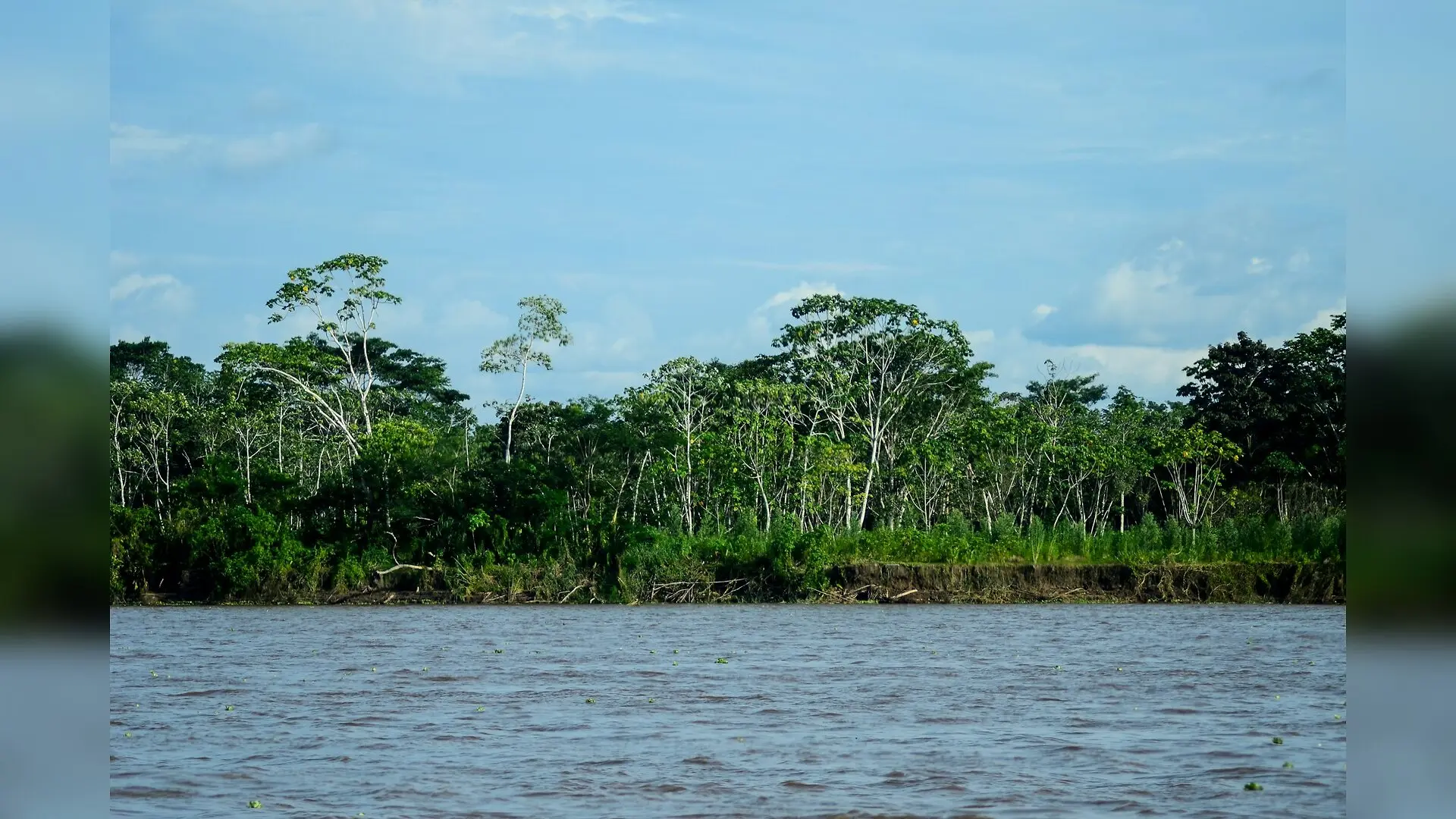
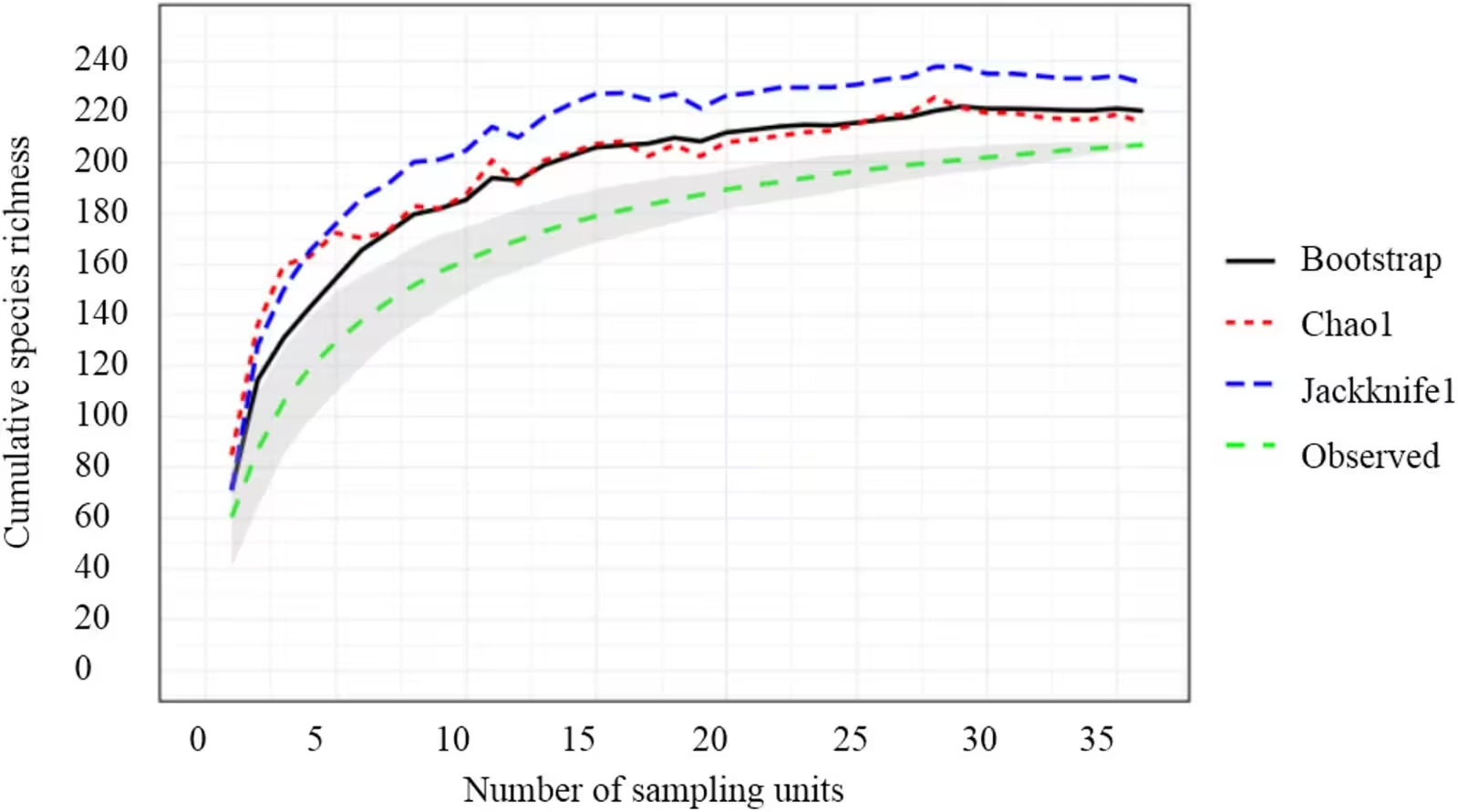
Deep in the Eastern Amazon, a remote 14-kilometer stretch of the Macacoari River harbors a vibrant microscopic ecosystem where nearly half of the identified algae species have never been documented before in the state of Amapá. Researchers discovered 207 distinct taxa across 36 water samples collected during wet and dry seasons in 2024, revealing how seasonal water shifts dictate the survival of aquatic microorganisms. The findings were published in PeerJ, shedding light on how microscopic algae act as natural sentinels for tropical water health.
How Do Wet and Dry Seasons Transform River Life?
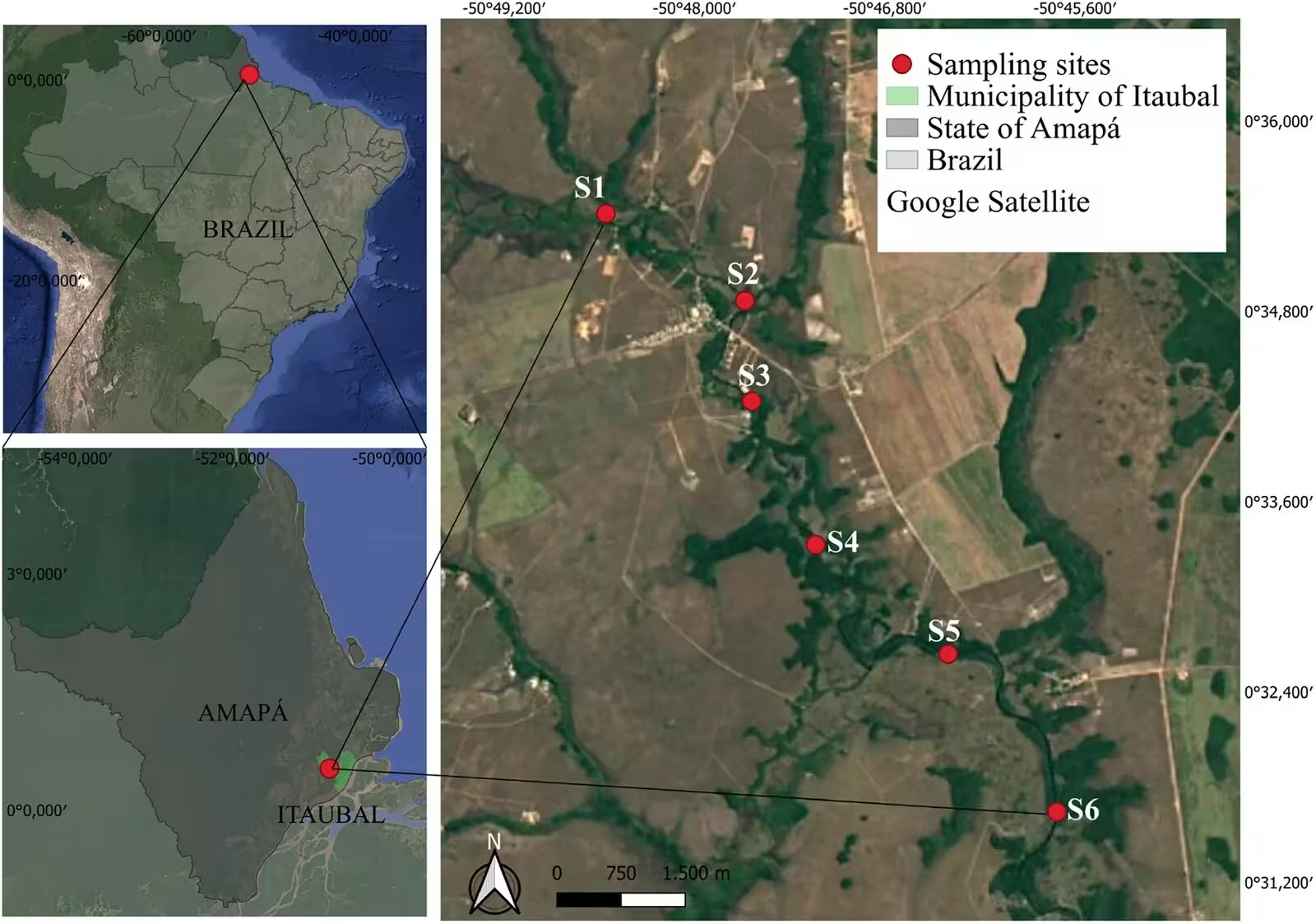
Natalina Borges da Silva and colleagues from the Federal University of Amapá and the Institute of Scientific and Technological Research of the State of Amapá investigated how seasonal environmental filters shape aquatic communities. The team tracked physical, chemical, and biological metrics across six sampling sites chosen for varying human impacts, including rural areas, bathing spots, and buffalo farms. Out of 207 total taxa identified, an impressive 92 species represent first-time records for Amapá State, expanding regional biodiversity baselines by over forty percent.
Species richness peaked during the heavy rains of the wet season, averaging nearly 68 taxa per sample compared to about 53 in the dry period. Conversely, overall phytoplankton abundance ran higher during the dry months, shifting from an average of roughly 10 organisms per milliliter in the wet season to over 12 in the dry months. The research team noted that 151 taxa, or nearly 73 percent of the total, appeared only rarely or sporadically, indicating a robust pool of rare species sustained by the river’s ecological filters.
What Controls the Dominance of Diatoms and Desmids?
Microscopic analysis revealed that green algae known as Zygnematophyceae dominated species richness at over 53 percent of the total, followed by diatoms called Bacillariophyceae at more than 18 percent. Desmids and related green algae thrived during the rainy months, favored by low dissolved oxygen and acidic waters. Meanwhile, the dry season saw a massive surge in diatoms, which rely on strong currents and water mixing to stay suspended in the sunlit upper layer of the water column.
Using morphology-based functional groups that categorize algae by cell shape, size, and defensive traits, the investigators found that two primary functional groups accounted for nearly 80 percent of total abundance. Group IV species, including filamentous green algae, dominated the rainy season and showed strong positive links to nitrate levels. Group VI, consisting largely of pennate diatoms with sturdy silica walls, dominated the dry season and correlated strongly with higher dissolved oxygen concentrations.
Does Natural Acidity Mean the River Is Polluted?
Water quality parameters revealed naturally acidic conditions, with average pH values dropping to 4.3 in the wet season and rising to 5.1 in the dry season. While these numbers fall below standard national thresholds, the authors emphasize that low pH and low dissolved oxygen are typical, natural characteristics of healthy Amazonian aquatic systems rather than signs of industrial degradation. Total coliform bacteria counts spiked during rainy periods, likely driven by runoff from unsewered settlements and local buffalo ranching.
Despite these anthropogenic pressures, diversity indices indicated moderate to high overall biodiversity and good environmental health, preventing the formation of harmful algal blooms. The data also showed minimal estuarine mixing from the nearby Amazon River, confirming that local internal dynamics and seasonal rainfall regulate the Macacoari basin’s microscopic life.
The research was published in PeerJ on November 18, 2026.
This article has been fact checked for accuracy, with information verified against reputable sources. Learn more about us and our editorial process.
Last reviewed on .
Article history
- Latest version
Reference(s)
- Silva, Natalina Borges da., et al. “Phytoplankton structure and functional groups as a bioindicator of water quality in an Eastern Amazonian river.” PeerJ, vol. 14, November 18, 2026, pp. e21455 PeerJ, doi: 10.7717/peerj.21455. <https://doi.org/10.7717/peerj.21455>.
Cite this page:
- Posted by Divya Iyer