Tata Memorial Hospital Liver Cancer Study Reveals Why Half Of Patients Receive No Treatment And Face Low Survival
A retrospective review of 1,025 hepatocellular carcinoma patients in Mumbai highlights the heavy toll of late-stage diagnosis and regional risk factors.
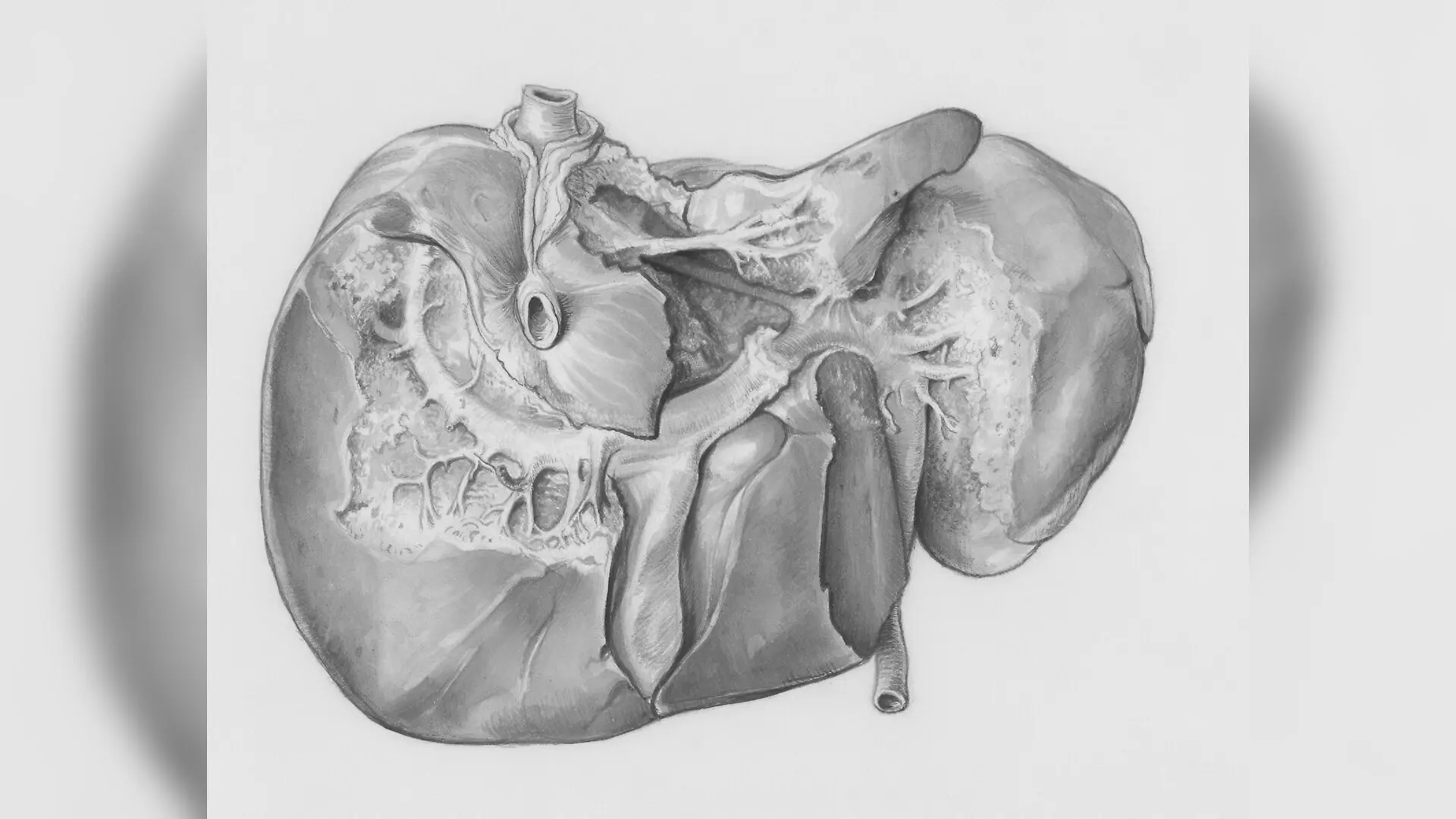
Researchers at Tata Memorial Hospital in Mumbai found that nearly half of 1,025 liver cancer patients registered between 2018 and 2019 received no cancer-directed treatment, resulting in a median overall survival of just 10.81 months. The study, published in Frontiers in Oncology, reveals that 5-year survival for hepatocellular carcinoma, the most common type of primary liver cancer, stood at 17.75 percent.
Hepatocellular carcinoma typically develops in adults over the age of 40 and is heavily linked to chronic liver disease, viral hepatitis, and alcohol consumption. Because the disease often causes no noticeable symptoms until it reaches advanced stages, many patients miss the window for curative surgical options such as resection or liver transplantation. The retrospective analysis aimed to measure real-world survival outcomes and identify key risk factors influencing prognosis among patients treated at a major Indian tertiary referral center.
What Were the Main Clinical Characteristics and Risk Factors Identified?
The average age of the patients in the cohort was 56.95 years, with a heavy male predominance of 85.76 percent. Hepatitis B infection was the leading viral etiology, affecting 44.59 percent of the patients, followed by hepatitis C in 13.27 percent, while liver cirrhosis was documented in 53.17 percent of cases. Furthermore, 32.78 percent of individuals reported tobacco use and 26.15 percent reported alcohol use.
Lead author John R. and colleagues noted that more than half of the patients presented with elevated alpha-fetoprotein tumor markers above 400 ng/mL. Most individuals also displayed moderate functional impairment and advanced disease stages at initial presentation. These clinical factors severely restricted the availability of curative therapeutic options.
How Did Disease Stage and Treatment Modalities Impact Survival Outcomes?
Survival rates dropped sharply as the disease progressed, with patients presenting distant metastases or advanced Barcelona Clinic Liver Cancer stages experiencing the shortest survival times. Patients undergoing surgery or combination therapies achieved the best outcomes, with median survival reaching 68.76 months for surgical patients. Conversely, nearly 47.80 percent of the cohort received no cancer-directed treatment due to late-stage presentation and poor liver function.
Statistical models indicated that alcohol use and hepatitis B infection were independently associated with increased mortality risks. Additionally, patients experiencing severe functional impairment under the Eastern Cooperative Oncology Group performance status faced a markedly higher risk of death compared to those with no impairment.
What Are the Limitations and Future Implications for Patient Care?
The study experienced a 36.7 percent loss to follow-up, driven by financial constraints, geographic distance, and patients seeking only second opinions at the tertiary facility. The authors emphasize that as a specialized referral center, the findings may reflect more advanced disease severity than the general population. Implementing structured surveillance programs for high-risk individuals and expanding access to early diagnosis remain vital steps to improve long-term survival in the region.
The research was published in Frontiers in oncology on November 26, 2026.
This article has been fact checked for accuracy, with information verified against reputable sources. Learn more about us and our editorial process.
Last reviewed on .
Article history
- Latest version
Cite this page:
- Posted by Sana Malik