Jiangsu Cancer Hospital Researchers Find Gut Microbiota Shifts Predict Gastric Cancer Outcomes and Treatment Success, But Can These Microbes Improve Early Screening
Microbial shifts across the digestive tract and tumor tissues offer new non-invasive diagnostic markers and influence patient responses to surgery, immunotherapy, and chemotherapy.
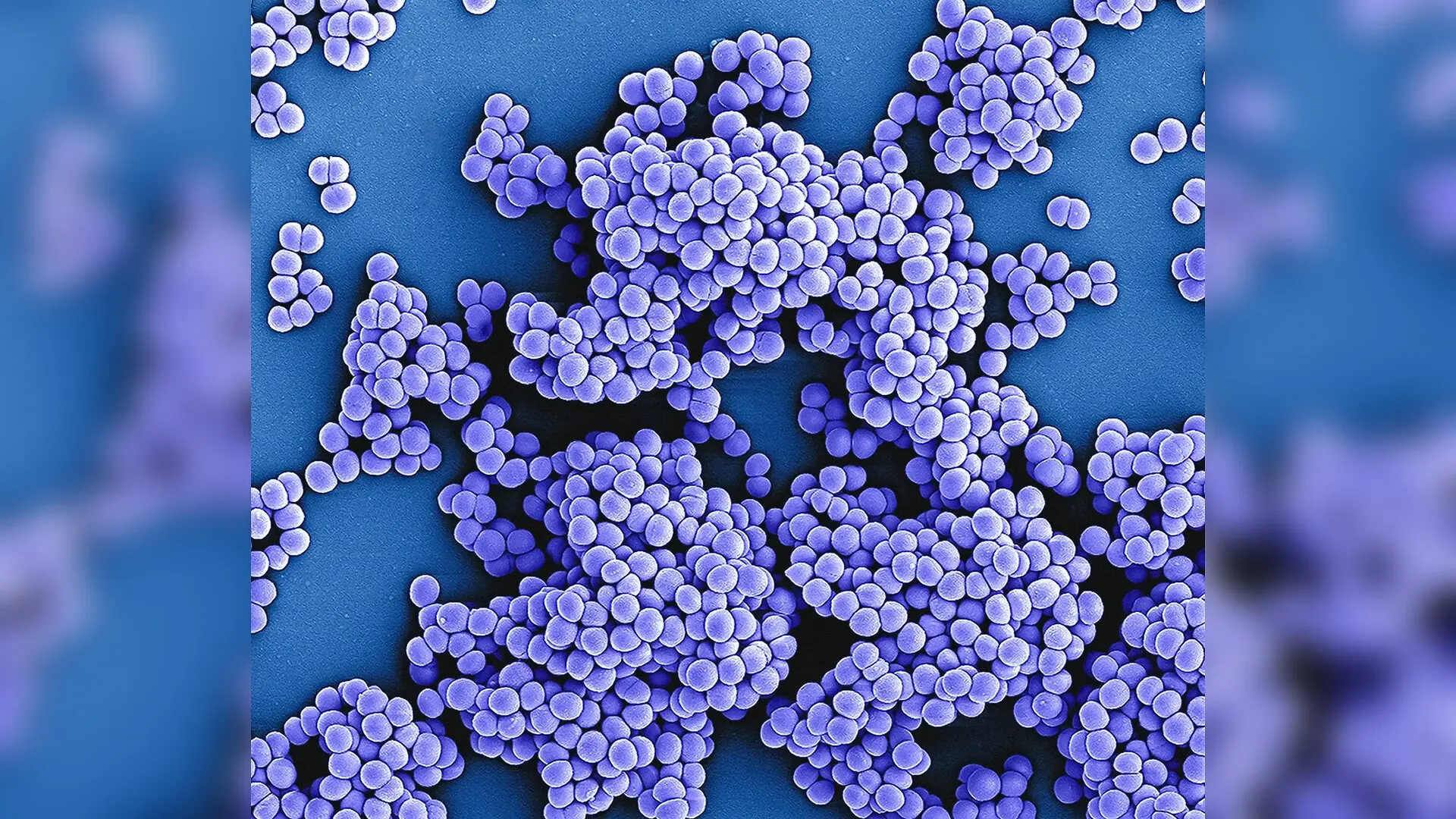
Researchers at Jiangsu Cancer Hospital found that microbial communities inhabiting the human digestive tract and tumor tissues change significantly during gastric cancer development, offering new potential biomarkers for early detection and therapy. Gastric cancer accounts for more than 960,000 new cancer cases and approximately 660,000 deaths annually around the world, ranking fifth in both global incidence and mortality.
Patients diagnosed with advanced disease continue to face poor survival rates, creating an urgent clinical demand for reliable early detection tools and prognostic indicators. Recent advances in high-throughput sequencing have enabled scientists to map the composition of the human microbiota, which is the vast community of bacteria, viruses, and fungi residing in the body, and explore how these microorganisms influence the host immune system and the tumor microenvironment.
How Bacterial Communities Shift During Gastric Disease
For years, researchers viewed Helicobacter pylori as the sole microbial driver of gastric malignancies through its persistent colonization of the gastric mucosa and the resulting chronic inflammation. Now, comprehensive studies have revealed a much broader spectrum of microbial inhabitants in the gastrointestinal tract, oral cavity, and tumor tissues that actively shape cancer initiation and progression. As gastric lesions progress from superficial gastritis and precancerous states to dysplasia and full-scale malignancy, the abundance of Helicobacter pylori typically decreases while non-Helicobacter microbiota increases.
Investigators have constructed sophisticated diagnostic models using microbial signatures from fecal samples, gastric fluids, and tumor biopsies to differentiate healthy individuals from those with gastric cancer. Specific bacterial genera such as Lactobacillus and Streptococcus consistently show marked enrichment in patients with gastric cancer, while beneficial butyrate-producing bacteria like Faecalibacterium and Bifidobacterium are notably depleted. These microbial shifts yield high diagnostic accuracy, with several predictive models achieving an area under the curve exceeding 0.90, pointing to powerful non-invasive screening opportunities.
Microbial Signatures and Patient Survival Outcomes
Beyond initial diagnosis, the makeup of the microbiome holds substantial prognostic value for predicting overall survival and progression-free survival in patients with gastric cancer. Elevated intratumoral abundance of Fusobacterium species, particularly Fusobacterium nucleatum, correlates significantly with reduced overall survival and increased metastatic spread. Furthermore, F. nucleatum disrupts actin dynamics and drives tumor mutational burden, meaning the total number of mutations found within cancer DNA, which can influence how a tumor responds to therapies.
Additional research published in Frontiers in Oncology highlights how fungal populations within the tumor microenvironment, such as Malassezia globosa, associate with programmed death-ligand 1 expression, a protein that helps tumors evade immune system attacks. Patients exhibiting low levels of Malassezia globosa and reduced programmed death-ligand 1 expression generally experience better prognoses. These discoveries suggest that fungal and bacterial inhabitants work in tandem with host immune pathways to influence clinical trajectories.
Surgical Interventions and Postoperative Recovery Trajectories
Surgical removal of the stomach, known as gastrectomy, profoundly alters the intestinal microbial community and impacts postoperative recovery and complication rates. Postoperative patients routinely experience a significant decline in microbial diversity, marked by a sharp reduction in butyrate-producing bacteria like Bifidobacterium and Faecalibacterium. This microbial imbalance lowers short-chain fatty acid concentrations, which strongly correlates with postoperative insulin resistance, elevated systemic inflammation, and impaired nutritional status.
Different gastric reconstruction procedures exert distinct influences on the recovering gut. While Billroth II reconstruction often leads to an oralization of the gut microbiota characterized by an overgrowth of oral commensals and intensified inflammation, Roux-en-Y reconstruction increases butyrate-producing bacteria that help alleviate intestinal inflammation by suppressing the NOD-like receptor protein 3 inflammasome pathway. Clinical trials using probiotic formulations containing strains such as Clostridium butyricum have demonstrated an ability to restore microecological balance, reduce inflammatory markers, and improve patient recovery parameters.
Systemic Treatment Responses and Microbial Modulation
The gut microbiome plays a decisive role in shaping both the efficacy and toxicity of systemic treatments like immunotherapy and chemotherapy. Patients responding favorably to immune checkpoint inhibitors often exhibit enriched levels of Actinobacteria, Lactobacillus, and Bifidobacterium, whereas prior antibiotic use diminishes microbial diversity and correlates with poorer immunotherapy outcomes. In parallel, enterotoxigenic Bacteroides fragilis colonization accelerates chemotherapy-induced muscle atrophy and fat loss by disrupting the intestinal mucosal barrier and triggering systemic inflammatory cascades.
Despite these promising insights, investigators emphasize that most current diagnostic and prognostic models derive from single-center, retrospective studies with relatively small patient cohorts. Validating these microbial signatures across diverse populations through large, prospective, multi-center trials remains an essential next step before these tools can enter routine clinical practice.
The research was published in Frontiers in oncology on November 26, 2026.
This article has been fact checked for accuracy, with information verified against reputable sources. Learn more about us and our editorial process.
Last reviewed on .
Article history
- Latest version
Cite this page:
- Posted by Tariq Hassan