Chengdu Researchers Find Unmet Arts Preferences Are Common And Linked To Lower Wellbeing, But Can Access Barriers Be Overcome?
A new study of older adults reveals that one in three face structural hurdles preventing them from joining preferred community arts activities.
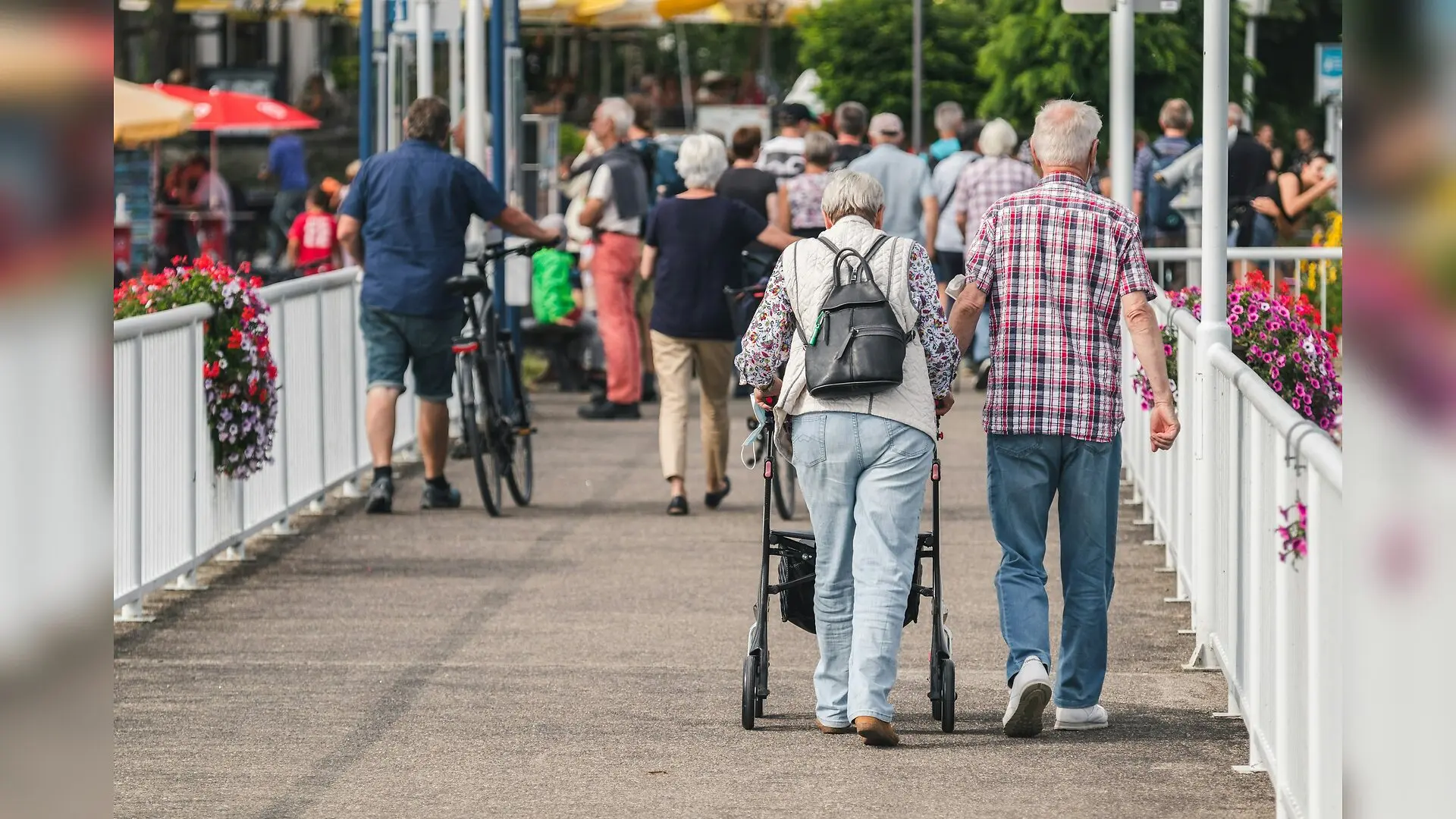
A community-based study of 862 older adults in Chengdu reveals that roughly one in three people aged 60 and older experience unmet preferences for community arts activities, showing lower psychological wellbeing scores than those whose participation matches their desires. Conducted by researchers Z. Zheng and J. Du, the study surveyed residents across 5 residential communities in 2026 to examine how barriers like transportation and physical limitations affect mental health.
While public health frameworks increasingly recognize arts and culture as valuable community assets, much of the existing research focuses only on observed behavior rather than personal intentions. A person who chooses not to attend a community choir and someone who wants to attend weekly but cannot reach the venue might look identical in standard attendance data. By distinguishing between actual participation and desired frequency, this study addresses whether older adults are able to act on preferences they already hold, without assuming that everyone should participate more.
How Barriers Restrict Later Life Creativity
The study found that nearly two-thirds of primary participation barriers were opportunity-related, such as distance, lack of transport, inconvenient timing, or the absence of suitable local activities. Capability limitations, including pain, fatigue, and mobility restrictions, accounted for about 30 percent of barriers, while motivational hurdles made up just 7 percent. These findings show that restricted participation often stems from service organization rather than a lack of interest.
Further details are published in Frontiers in Public Health, where the authors outline how traditional community programs frequently fail to accommodate everyday access needs. Distance, cost, and scheduling difficulties emerged as major hurdles for residents who remained willing to take part if obstacles were removed.
The Hidden Impact of Functional Limitations
Physical constraints proved to be the most consistent individual correlate of unmet preferences. Many local activities assume an ability to travel independently, use stairs, or stand for long periods without resting. When a venue or session fails to accommodate these needs, an activity can exist locally while remaining effectively inaccessible.
The analysis also pointed to the growing role of digital exclusion in community life. Requiring smartphone registration or mobile payments for offline activities can inadvertently lock older residents out of local cultural groups. Providing telephone booking or in-person registration options can resolve these practical bottlenecks.
Measuring Psychological Wellbeing Differences
Psychological wellbeing was assessed using the 5-item World Health Organization Wellbeing Index, known as WHO-5, which produces a score from 0 to 100. Participants with unmet preferences recorded adjusted WHO-5 scores about 5 points lower than those with fulfilled preferences. However, because the study relied on cross-sectional data collected during a single survey period, the researchers caution that the findings cannot establish whether unmet preferences cause lower wellbeing or if lower wellbeing shapes participation.
The authors note that preferences can adapt as health and circumstances change over time. Consequently, longitudinal and implementation studies will be required to test whether improving local accessibility and reducing structural barriers can genuinely enhance psychological wellbeing in later life.
The research was published in Frontiers in public health on November 28, 2026.
This article has been fact checked for accuracy, with information verified against reputable sources. Learn more about us and our editorial process.
Last reviewed on .
Article history
- Latest version
Cite this page:
- Posted by Sana Malik