Researchers Reveal How Remote Interpreters Shape Telehealth Care, And Why Non-English Speakers Still Miss Out
Analysis of 15 studies shows limited English speakers face a 66 percent drop in telehealth use despite virtual options.
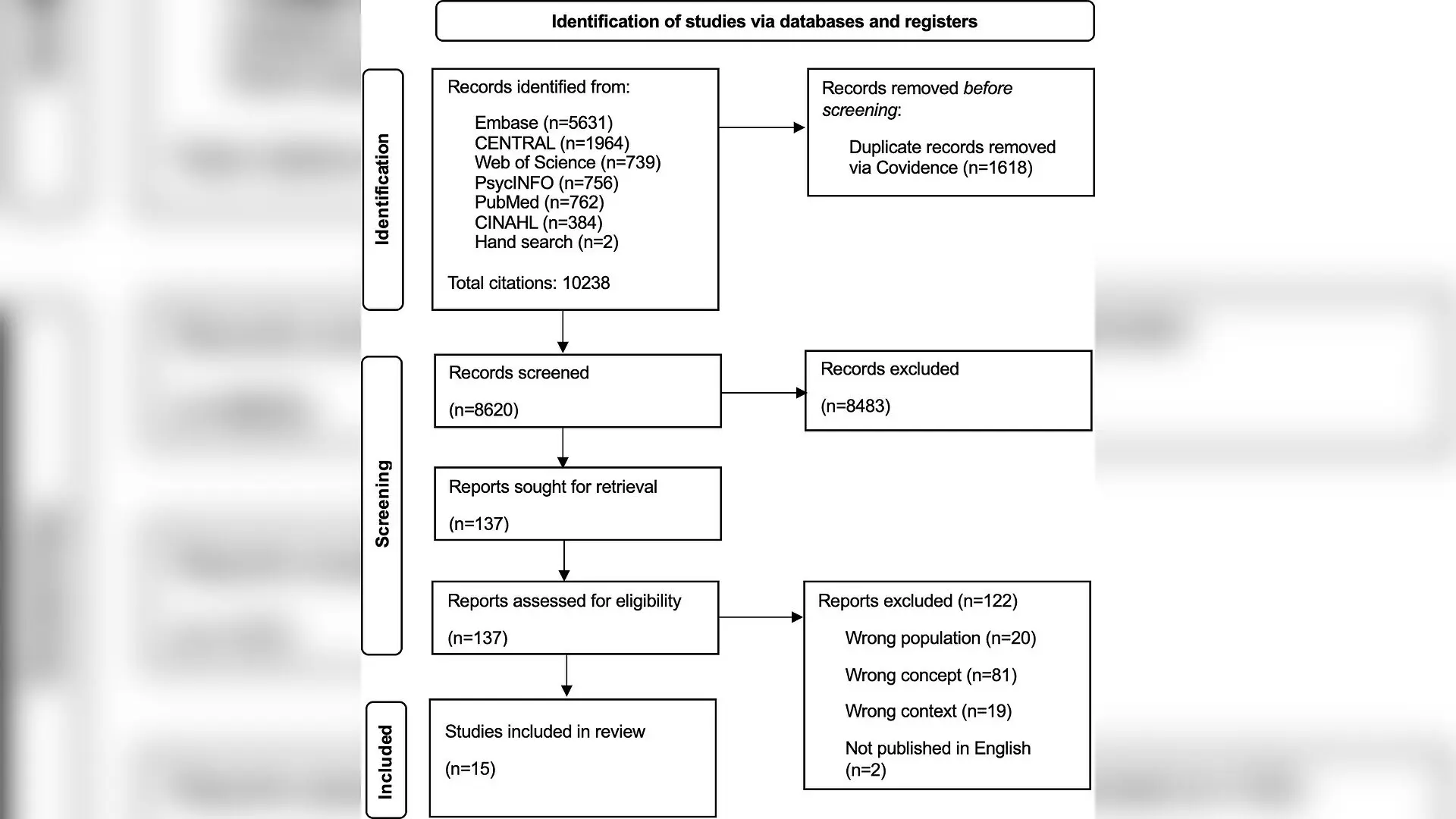
Patients with limited English proficiency are 66 percent less likely to use telehealth mental health services, even when professional interpreters are available, according to a scoping review published in JMIR Mental Health. Researchers at Memorial Sloan Kettering Cancer Center and The City College of New York analyzed 15 scientific studies to understand how remote interpretation and translation shape psychiatric care for underserved adults.
Limited English proficiency applies to anyone aged 5 or older who speaks English less than very well, a group expected to make up 19 percent of the United States population by 2050. Because of a severe national shortage of bilingual mental health professionals, most patients rely on medical interpreters to bridge the language gap during therapy sessions. While virtual care expanded rapidly during the COVID-19 pandemic, researchers wanted to find out how remote platforms handle three-way conversations involving a patient, a clinician, and an interpreter.
For years, medical institutions assumed that putting video calls online would automatically solve access hurdles for non-English speakers. Now, evidence shows that navigating virtual waiting rooms, English-only patient portals, and missing interpreter integration tools creates unexpected roadblocks for vulnerable populations.
How Did the Pandemic Change Remote Care Access?
Ten of the 15 reviewed studies examined data collected during the COVID-19 pandemic, highlighting how telehealth kept doors open when in-person visits stopped. Florence Lui and colleagues noted that virtual appointments eliminated long travel times, costly transit fares, and rigid scheduling barriers that normally prevent marginalized patients from seeking psychological help.
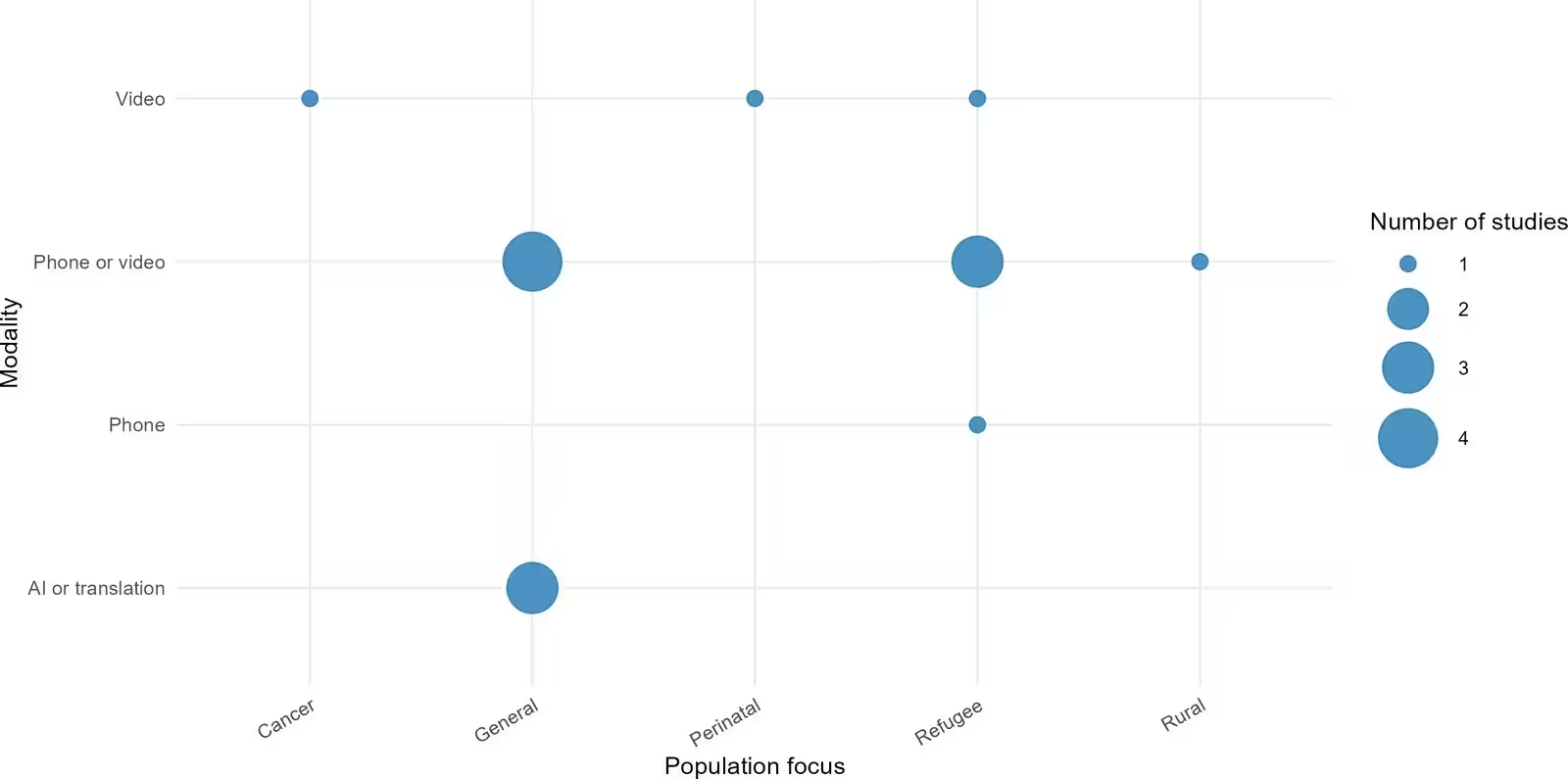
For rural populations and refugees, remote sessions removed the exhausting commute to distant medical centers. However, the sudden shift also exposed deep digital divides. Many patients lacked stable broadband internet, modern smartphones, or private spaces required for confidential mental health therapy.
What Obstacles Do Patients and Clinicians Face?
Integrating an interpreter into a phone or video call adds layers of complexity that can disrupt the therapeutic bond. Studies showed that patients with limited English proficiency frequently experienced technical glitches, audio-only restrictions, and trouble reaching qualified interpreters on virtual platforms.
Clinicians reported that building trust was harder when evaluating sensitive trauma histories through a screen or telephone line. The absence of nonverbal cues, combined with the mechanical challenge of routing conversation through a third party, often left both doctors and patients struggling to establish a meaningful connection.
Can Artificial Intelligence Solve Translation Delays?
A few studies explored emerging alternatives, such as asynchronous telepsychiatry and artificial intelligence translation tools, to see if they could bypass human interpreter shortages. In these setups, a primary care provider conducts an interview in the patient native language, and automated software or human translators convert the text for an English-speaking psychiatrist.
While these methods could theoretically speed up evaluations, researchers found that automated systems often oversimplified patient speech. People tended to use shorter phrases and less figurative language when dealing with automated translation, which may limit the clinical depth of a psychiatric evaluation.
What Recommendations Improve Future Language Access?
The review outlines clear steps for healthcare institutions to make virtual mental health services truly equitable. Authors emphasized the need to train both clinicians and interpreters on how to manage multi-party video calls effectively.
Medical centers must also invest in telehealth platforms equipped with built-in interpreter features and multilingual navigation menus. Without targeted institutional changes, experts warn that the digital expansion of mental health care could widen existing health disparities instead of closing them.
The research was published in JMIR mental health on November 25, 2026.
This article has been fact checked for accuracy, with information verified against reputable sources. Learn more about us and our editorial process.
Last reviewed on .
Article history
- Latest version
Reference(s)
- Lui, Florence., et al. “Interpretation and Translation-Mediated Telemental Health Services for Adults With Limited Language Proficiency: Scoping Review.” JMIR Mental Health, vol. 13, November 25, 2026, pp. e81632-e81632. JMIR Publications Inc., doi: 10.2196/81632. <https://doi.org/10.2196/81632>.
Cite this page:
- Posted by Sana Malik