Urban Residents Lose Vital Microbial Diversity and Face Rising Chronic Disease Risks
Rapid urbanization and a growing disconnection from nature are driving a global surge in allergies and chronic immune disorders.
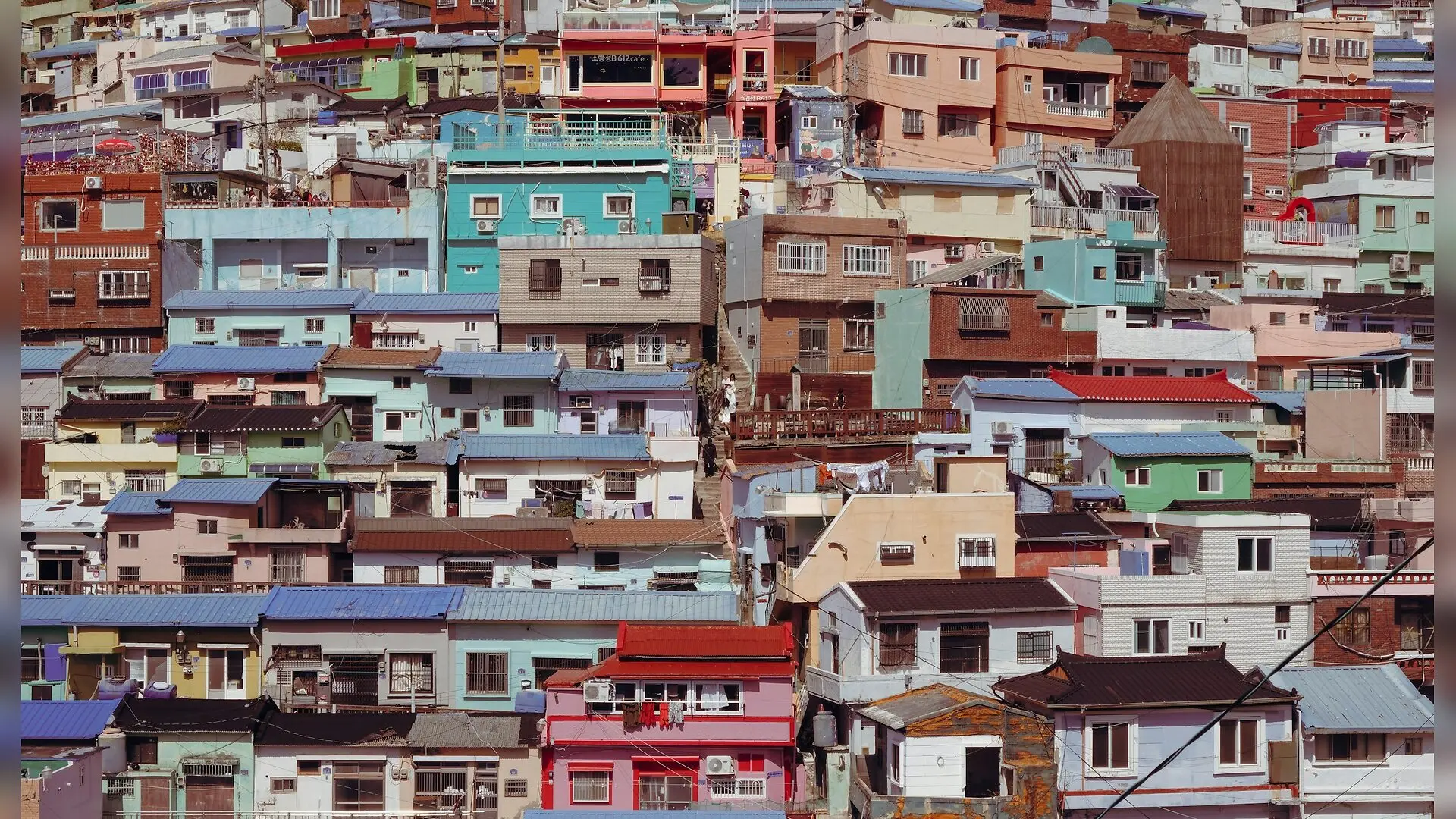
Urban citizens living in modern concrete environments may experience an impoverished skin microbiome and reduced immune diversity as society shifts away from nature, according to a comprehensive review published in Seminars in Immunopathology. In just 75 years, the global population surged from about 2,5 billion people in the 1950s to around 8,2 billion in 2025, with two-thirds of future growth projected to happen inside cities. This rapid urbanization has raised living standards and healthcare access, but it has also triggered an alarming rise in chronic noncommunicable diseases and allergies.
How Does Urban Living Alter Human Immunity?
Human bodies function as complex ecosystems relying heavily on invisible microbial partners known as our microbiome, which contains vastly more genetic information than human cells. As city dwellers spend up to 90 percent of their time indoors breathing filtered air, they lose vital daily contact with soil, natural waters, and diverse plants. This environmental disconnection starves the body of beneficial microbes and natural chemical compounds that normally train the immune system to distinguish harmless substances from genuine threats.
Clinical allergists have tracked a dramatic surge in allergic conditions and asthma ever since the Second World War. When a person develops a birch pollen allergy, the main pollen protein triggers immunoglobulin E antibodies to mount an inappropriate antiviral defense, misreading a harmless grain as a dangerous invader. Researchers note that this skewed immune recognition stems from a lack of early childhood exposure to diverse natural environments and protective microorganisms.
What Did Comparative Studies Reveal About Lifestyle?
Landmark comparisons between Finnish and Russian Karelian populations revealed a stark generational divide in allergy rates. On the Russian side of Karelia, young adults showed virtually no increase in birch pollen sensitization across generations, while rates among Finnish adults climbed almost linearly from 3 percent to 27 percent. Skin and nasal microbiome analyses showed that Russian children retained much richer and more diverse microbial communities, protecting them against immune-mediated disorders.
Controlled interventions have begun testing whether restoring these natural links can reverse the trend. When daycare yards were enriched with forest soil blocks in a series of clinical trials, children in the intervention group showed a rapid enrichment of immunomodulatory skin microbes within just 2 to 4 weeks. These findings support the biodiversity hypothesis, which states that reduced contact with nature damages commensal microbiota and compromises immune regulation.
Can Cities Reconnect Citizens With Nature?
Public health authorities are increasingly turning toward nature-based solutions to counteract chronic illness, obesity, type 1 and type 2 diabetes, and depression. In 2021, the European Union nominated the Finnish city of Lahti as the Green Capital for launching a multi-agency 10-year initiative to integrate green spaces, biodiverse nutrition, and nature-friendly urban planning into everyday life. Similar large-scale health programs are rolling out across Finland to harness the estimated 2,5 billion euros in annual health economic value provided by natural environments.
Medical experts emphasize that tackling the modern chronic disease crisis requires systemic changes in urban design, dietary policies, and daily lifestyle choices. While greening cities, planting trees, and renaturing urban spaces help mitigate extreme heat waves and floods, they also restore critical microbial exposures essential for human resilience. The overarching scientific consensus urges societies to align with nature rather than isolate human populations from it.
The research was published in Seminars in immunopathology on November 25, 2026.
This article has been fact checked for accuracy, with information verified against reputable sources. Learn more about us and our editorial process.
Last reviewed on .
Article history
- Latest version
Reference(s)
- Haahtela, Tari. “Urbanization compromises natural immunity - nature-based solutions may help.” Seminars in Immunopathology, vol. 48, no. 1, November 25, 2026 Springer Science and Business Media LLC, doi: 10.1007/s00281-026-01095-8. <https://doi.org/10.1007/s00281-026-01095-8>.
Cite this page:
- Posted by Susan White