Rabbit Study Reveals Host Genetics Shape Gut Microbes And Shows Previous Heritability Estimates Were Too High
An expanded statistical model accounts for community background effects to provide more accurate heritability estimates in livestock.
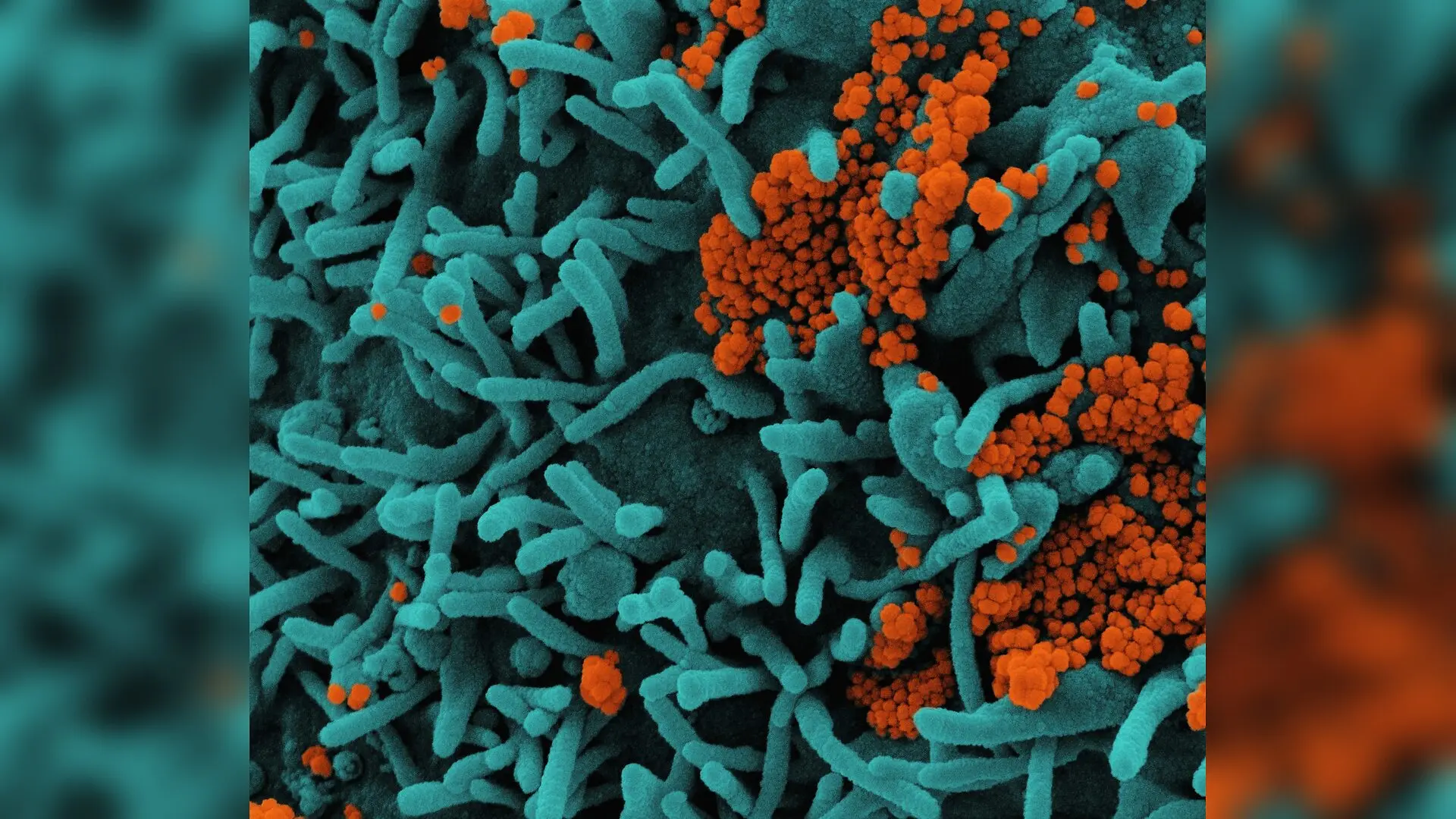
Researchers have discovered that host genetics strongly shape the gut microbial communities of domestic rabbits, and their new statistical model reveals that previous studies may have significantly overestimated heritability. By analyzing 707 New Zealand White rabbits using genomic sequencing, lead author Jun Zhou and colleagues at Sichuan Agricultural University found that accounting for the entire microbial community background reduces estimated genetic influences while highlighting specific bacterial groups tied to mucosal barriers.
The gut microbiota plays an essential role in digestion, immunity, and overall health in animals and humans alike. Because sequencing data measures microbes in relative proportions rather than absolute numbers, researchers have long struggled with mathematical interdependencies between taxa that can distort heritability estimates. To solve this, the team applied an expanded mixed model that incorporates a community background effect after centered log-ratio transformation, which converts compositional data into approximately normal distributions. The study was published in Genetics, selection, evolution : GSE on November 25, 2026.
How Community Background Changes Heritability Estimates
When the team applied their conventional mixed model without the community background effect, 417 microbial amplicon sequence variants showed significant heritability. Once the expanded model was introduced, the average variance explained by the microbial community background reached 40.2 percent in rabbits and 32.3 percent in an external validation dataset of 328 pigs. This adjustment reduced the number of heritable amplicon sequence variants down to 146 in rabbits. The community background component absorbed a large portion of what was previously classified as residual variance rather than altering the true host genetic signal.
Which Bacterial Lineages Show the Strongest Genetic Control
The heritable microbes identified in the rabbit population were not spread evenly across all bacterial phyla. Instead, specific lineages such as the order Bacteroidales and the genus Akkermansia showed concentrated heritability. For instance, the amplicon sequence variant belonging to Paramuribaculum intestinale reached a heritability estimate of 0.59. This non-random distribution indicates that host genes preferentially influence specific bacterial clades rather than governing every microbe independently.
What Genome-Wide Association Studies Reveal About Candidate Genes
Genome-wide association analyses linked the heritable microbes to 1,293 positional candidate genes spanning all 21 rabbit autosomes. These genes clustered heavily into biological pathways governing epithelial barrier function, mucosal immunity, and lipid metabolism. Key candidate genes identified included MUC1, which is involved in mucus layer formation, and CLDND1, a tight-junction protein that regulates paracellular permeability. These findings suggest that host genetic variations alter the physical and chemical environment of the intestinal mucosa, selectively favoring microbes adapted to specific host conditions.
What Limits These Findings in Livestock Breeding
Although the expanded model successfully refines heritability estimates, the authors note that these functional interpretations remain inferential and require direct experimental validation. Furthermore, taxa at the extreme ends of very low or very high abundance were less likely to be identified as heritable due to measurement uncertainty and community stability constraints. These insights provide a practical analytical framework for integrating microbiome traits into future livestock breeding programs aimed at improving animal productivity and health.
The research was published in Genetics, selection, evolution : GSE on November 25, 2026.
This article has been fact checked for accuracy, with information verified against reputable sources. Learn more about us and our editorial process.
Last reviewed on .
Article history
- Latest version
Reference(s)
- Zhou, Junkun., et al. “Host genomic analyses of gut microbial community structure in rabbits using an expanded mixed model to account for community interdependencies.” Genetics Selection Evolution, vol. 58, no. 1, November 25, 2026 Springer Science and Business Media LLC, doi: 10.1186/s12711-026-01119-9. <https://doi.org/10.1186/s12711-026-01119-9>.
Cite this page:
- Posted by Faisal Qureshi