KTH Royal Institute of Technology Researchers Reveal How Dietary Fiber Structures Shape Gut Microbiome Function
A new framework links plant cell wall architecture and microbial enzyme systems to human metabolic health.
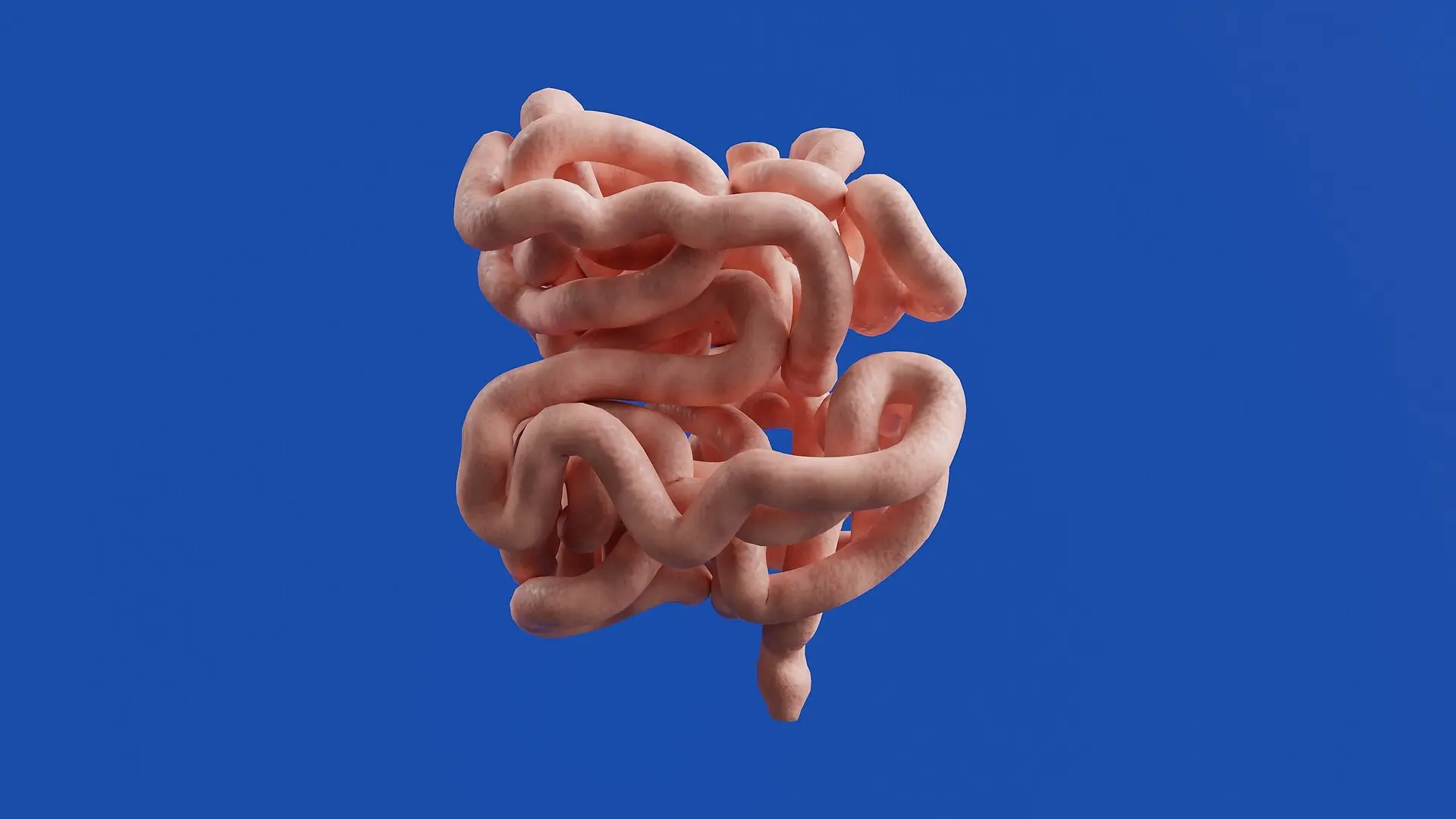
Researchers led by Francisco Vilaplana at KTH Royal Institute of Technology revealed that dietary fiber structures shape gut microbiome function through chemical codes and physical barriers, while analyzing plant cell walls and microbial enzyme systems in a 2026 perspective published in JACS Au.
How Does Glycan Architecture Guide Microbial Digestion?
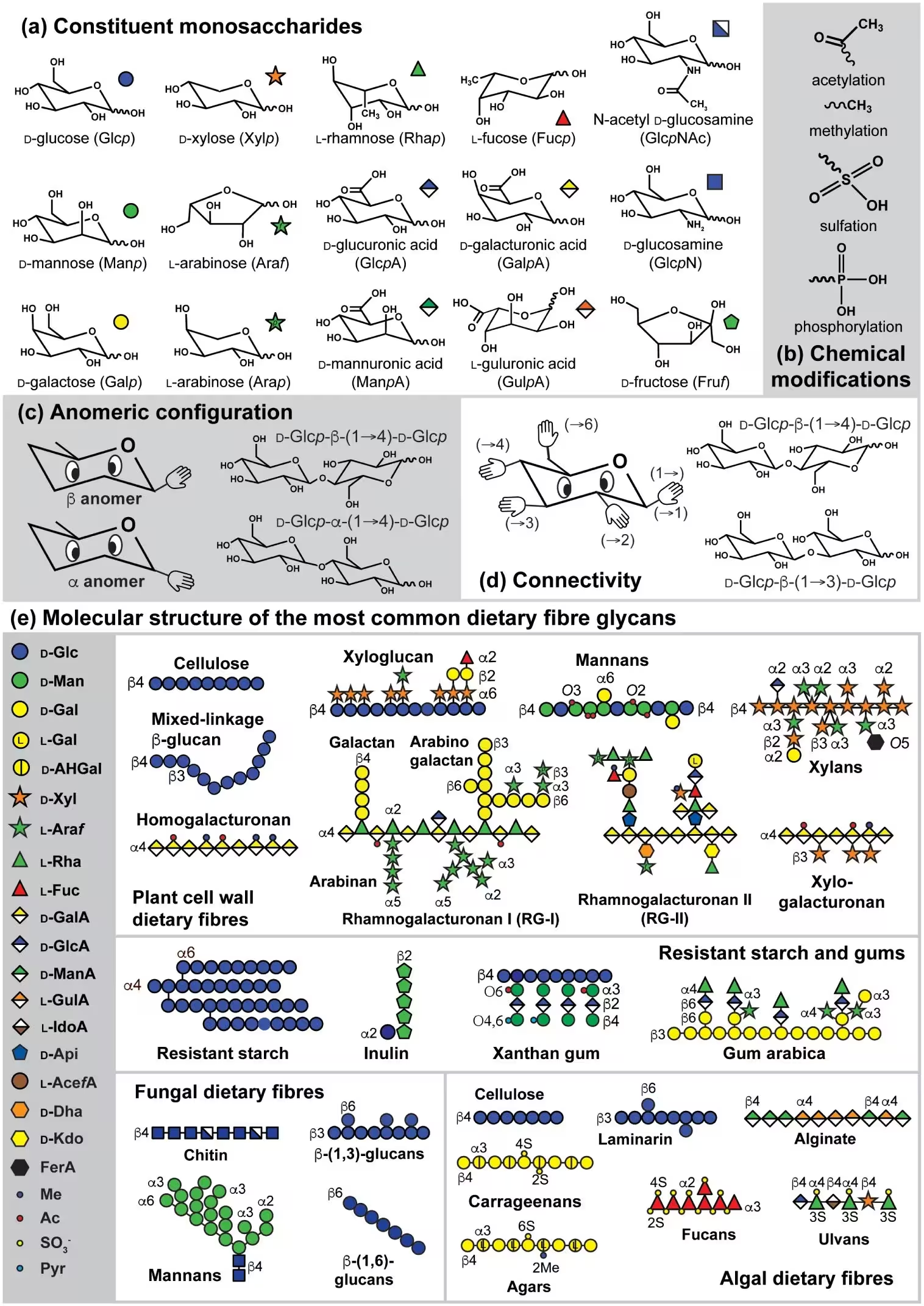
Dietary fibers are complex carbohydrates that resist digestion in the upper gastrointestinal tract and reach the colon as intact plant cell wall remnants or processed particles. Once there, these molecules serve as primary substrates for trillions of microorganisms. The specific arrangement of building blocks, known as the glycan biochemical code, dictates how bacteria interact with the fiber. Monosaccharide composition, branching patterns, and chemical modifications determine which bacterial enzymes can bind and break down the material.
Beyond basic chemical makeup, physical organization plays a massive role in how microbes access nutrients. Plant and fungal cell walls form intricate networks stabilized by hydrogen bonds, ionic interactions, and covalent bridges. For instance, cellulose forms rigid and crystalline microfibrils that are exceptionally difficult for enzymes to penetrate. Meanwhile, soluble fibers can form dynamic gel-like structures or nanoscale aggregates that alter fluid viscosity and digestive transit times.
Why Do Structural Barriers Limit Fermentation Rates?
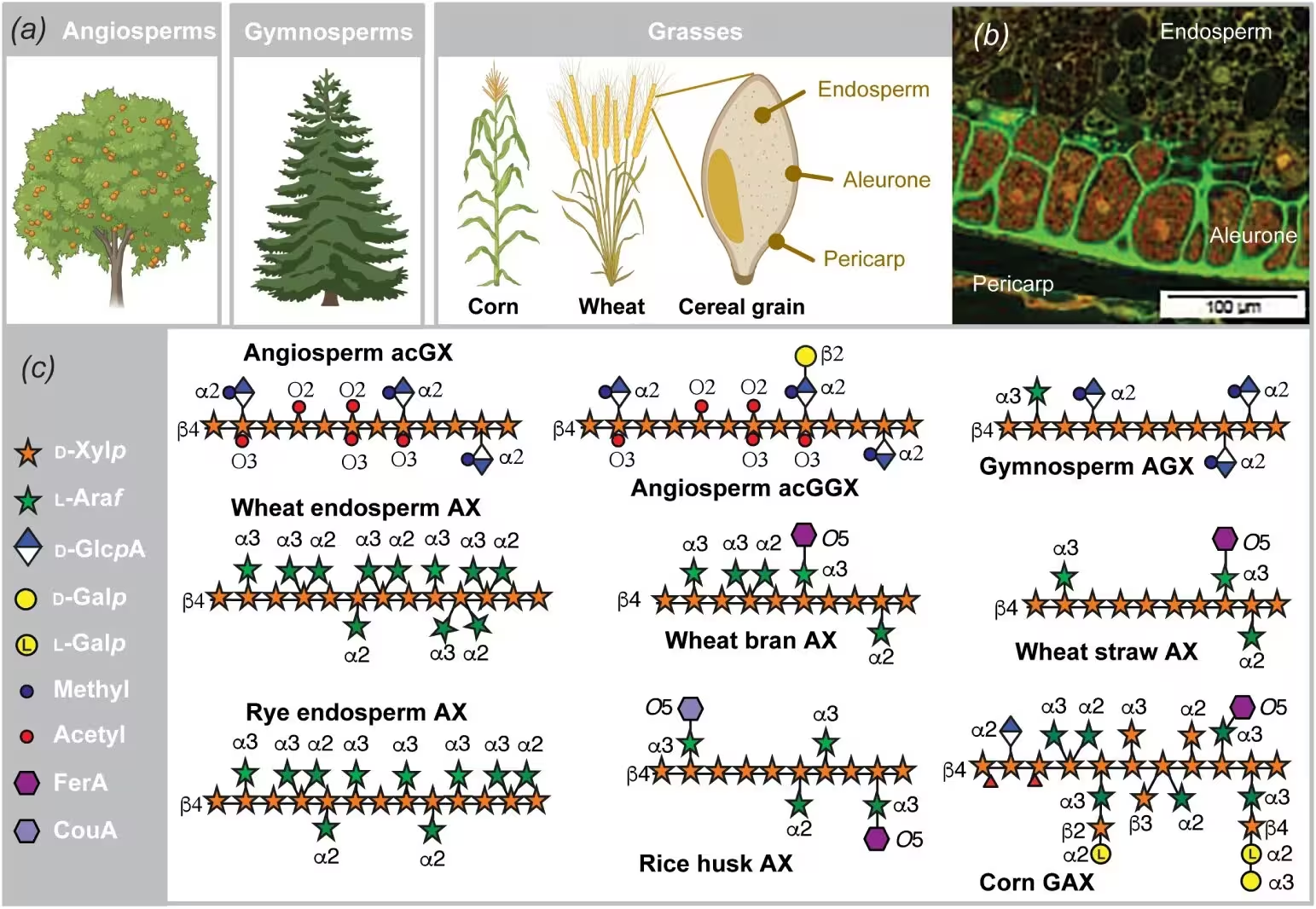
Microbes encounter dietary fibers not as floating individual chains, but as dense multiscale assemblies embedded in food matrices. Primary cell walls found in fruits and vegetables are typically thin, hydrated, and porous, making them relatively easy for gut bacteria to digest. In contrast, secondary cell walls found in cereal grains and outer bran layers are heavily cross-linked with lignin and phenolic compounds, creating physical barriers that slow down microbial colonization.
These architectural differences explain why two fibers with identical chemical formulas can produce completely different physiological outcomes. Specialized bacteria must deploy diverse molecular machinery, including carbohydrate-active enzymes like glycoside hydrolases, to dismantle complex linkages. Generalist bacteria often target simple structures quickly, whereas complex fibers require cooperative networks of multiple microbial species working together.
What Role Do Short-Chain Fatty Acids Play in Health?
When gut bacteria successfully ferment dietary fibers, they convert the released sugars into beneficial bacterial metabolites, most notably short-chain fatty acids like acetate, propionate, and butyrate. These metabolites provide essential energy for colonocytes, strengthen the intestinal epithelial barrier, and modulate immune responses. The exact balance of these metabolites depends heavily on the initial fiber structure and the transit time through the gut.
As partially digested fibers move from the proximal colon to the distal colon, local environmental conditions change significantly. Readily accessible oligosaccharides are usually fermented rapidly in the upper colon, while slowly degraded bulking fibers persist further down the tract. This spatial and temporal organization helps prevent constipation and maintains overall gut health, though excessive rapid fermentation can sometimes cause gastrointestinal discomfort.
Can We Tailor Fiber Architectures for Precision Nutrition?
Vilaplana and colleagues propose a comprehensive glycocentric framework to standardize how dietary fibers are reported in scientific studies. By tracking specific structural metrics, such as particle size, porosity, and polymer topology, researchers hope to bridge the gap between food chemistry and microbiome responses. This mechanistic understanding could eventually allow scientists to design tailored fiber architectures that match individual microbial capacities and improve metabolic health outcomes.
The research was published in JACS Au on September 14, 2026.
This article has been fact checked for accuracy, with information verified against reputable sources. Learn more about us and our editorial process.
Last reviewed on .
Article history
- Latest version
Reference(s)
- Vilaplana, Francisco. “Dietary Fiber Structural Diversity Shapes Gut Microbiome Function: A Glycocentric Perspective.” JACS Au, vol. 6, no. 11, September 14, 2026, pp. 6004-6022. American Chemical Society (ACS), doi: 10.1021/jacsau.6c01032. <https://doi.org/10.1021/jacsau.6c01032>.
Cite this page:
- Posted by Linda Wilson