Canada Fast-Tracks Northern Resource Development As Researchers Warn That Weaken Laws Will Accelerate Wildlife Declines
New legislation aims to speed up industrial projects in the north, but scientists warn it could devastate caribou and violate Indigenous rights.
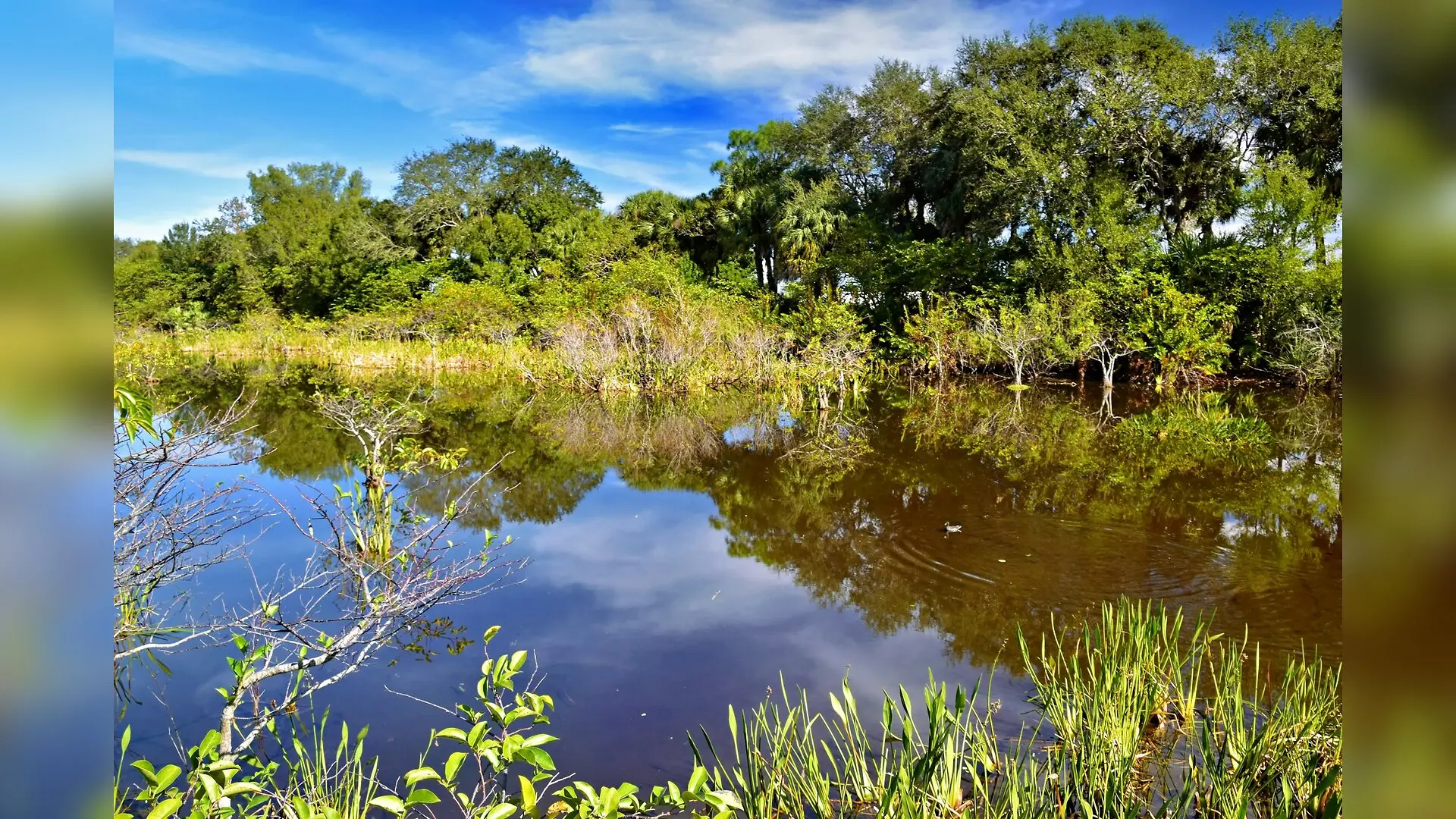
Canada could see severe wildlife declines and threats to Indigenous rights as new legislation pushes to fast-track northern resource development and cut regulatory oversight. Researchers Jason Fisher and colleagues highlight how expedited environmental reviews and austerity measures risk worsening existing ecological damage across the boreal forest and beyond.
How Do Fast-Track Approvals Threaten Canadian Ecosystems?
The updated Building Canada Strong Act, also known as bill C-39, aims to accelerate nation-building by speeding up project approvals and reducing the size of regulatory bodies. Under the new rules, enabling activities can proceed before any environmental assessment takes place, and ministers gain the power to dismiss permit conditions. These changes arrive as the study published in Ecology and Evolution points out that even historical regulations have failed to prevent widespread habitat degradation.
Past impact assessments reviewed projects individually rather than accounting for cumulative damage over time and space. Jason Fisher from the University of Victoria and his co-authors note that this fragmented approach allowed extensive networks of roads, seismic lines, and industrial footprints to accumulate across landscapes like the western boreal forest. These human-made corridors facilitate predator movement, leading to steep declines in sensitive native mammals.
Why Are Woodland Caribou and Moose Vanishing?
Habitat alteration in the oil sands region around Christina Lake, Alberta, has created severe pressures for woodland caribou and moose. Linear features such as seismic exploration lines allow wolves and neonative coyotes to travel easily into previously secure habitats, increasing predation rates on vulnerable herbivores. At the same time, forest cutblocks and industrial clearings promote the northern expansion of white-tailed deer.
These invasive deer thrive in modified early-successional forests and support higher wolf populations through apparent competition, driving native caribou numbers down. Furthermore, mid-sized furbearers like wolverines and red foxes are also suffering due to the compounding pressures of resource extraction and transportation infrastructure. Restoring these heavily altered ecosystems would cost billions of dollars and take many decades.
Can Regional Assessments Balance Economy and Environment?
The authors argue that weakening environmental safeguards will only provoke widespread public opposition, legal challenges, and costly project stalls. Instead of eliminating regulatory protections, the study calls for dedicated regional impact assessments that operate at the large spatial scales where cumulative effects actually occur. Meaningful engagement with Indigenous rightsholders is essential to protect constitutional rights and subsistence resources.
Investing more time and planning capacity into science-based oversight before development begins offers the best chance of minimizing ecological harm. The research suggests that balancing 21st-century economic goals with robust environmental safeguards will require prioritizing regional planning, avoiding critical wildlife areas, and respecting Indigenous wisdom alongside western science.
The research was published in Ecology and evolution on November 26, 2026.
This article has been fact checked for accuracy, with information verified against reputable sources. Learn more about us and our editorial process.
Last reviewed on .
Article history
- Latest version
Cite this page:
- Posted by Omar Mirza