Blue Jays Bury One Third Of Forest Tree Nuts And Help Rebuild Woodlands
Tracking tagged seeds across three seasons reveals how bird caching habits and high mammal theft shape the survival of oaks and chestnuts.
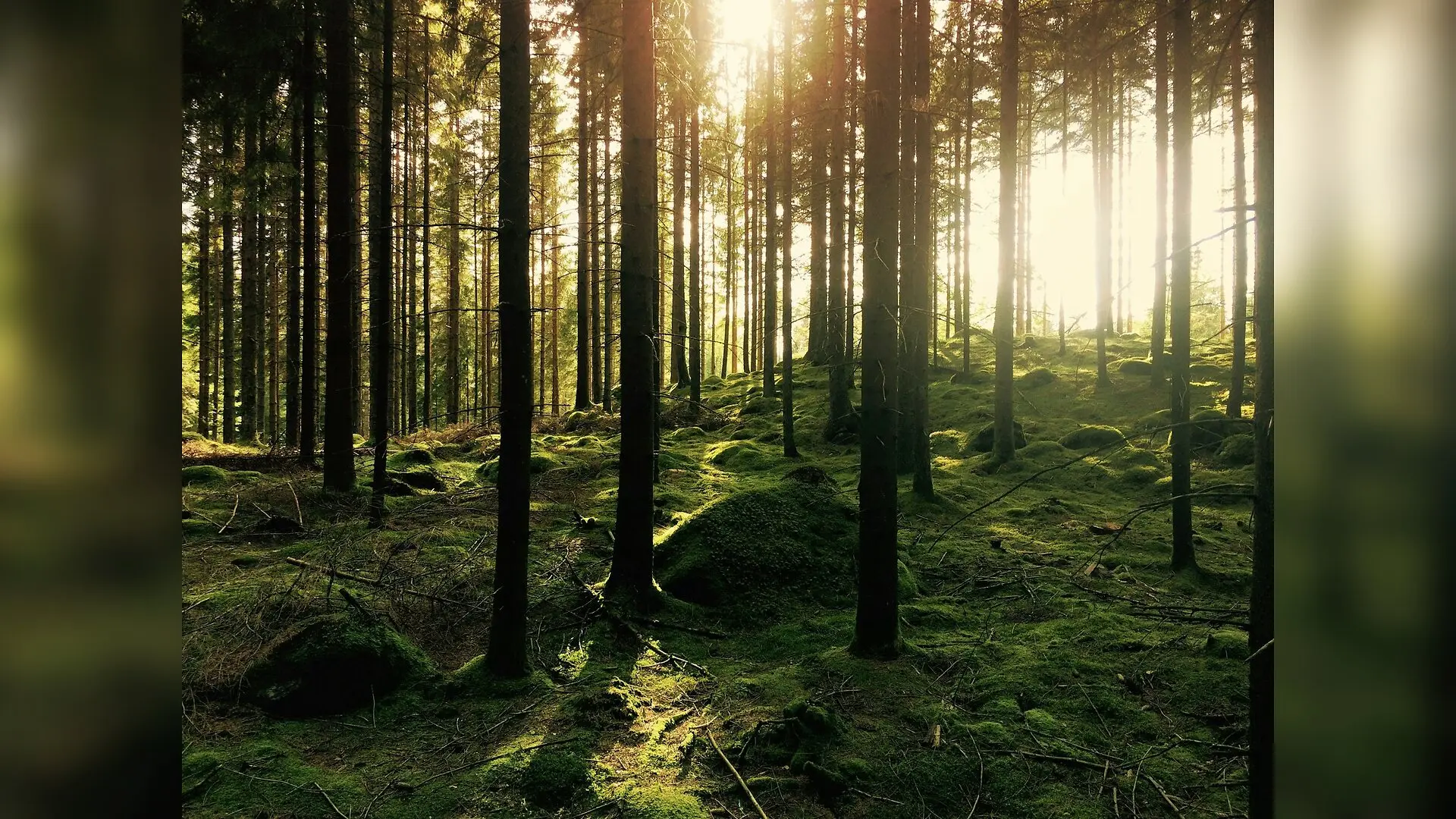
Blue Jays transport up to 35 percent of forest tree nuts to underground hiding spots, where roughly 1 percent of acorns and 2 percent of chestnuts survive to become established seedlings after their first year. Researchers tracking seed movement across forests in southeast Ohio found that these birds play a critical role in shaping how tree species colonize new landscapes. The findings offer new insights into forest regeneration and the future return of blight-resistant nut trees.
Seed dispersal is a fundamental process that determines how plants move across landscapes and build wildlife habitats. In the hardwood forests of eastern North America, nut-bearing trees like oaks form the base of the food web, relying on animals that scatter-hoard seeds in multiple hidden locations. Understanding how effectively animals disperse these seeds is vital for predicting how forests will adapt to ongoing ecological changes, such as the gradual decline of mature oak trees.
How Do Blue Jays Choose Where to Hide Tree Nuts?
James Wright and colleagues from Ohio State University evaluated the dispersal effectiveness of Blue Jays by tracking radio-tagged seeds across three field seasons from 2018 to 2021. The team monitored 131 tagged seeds across six feeding platforms in Vinton County, following their journey from initial removal to final seedling survival. The researchers found that birds cached 35 percent of the tracked seeds, consumed 48 percent, and dropped 11 percent on the ground.
When selecting hiding spots, the birds showed a strong preference for early-successional habitats with dense shrub cover rather than mature forest interiors. Statistical models revealed that birds favored microhabitats with higher shrub and canopy cover alongside lower tree basal area. This behavior likely helps the birds avoid detection by avian predators and competitors while burying their food.
What Happens to Seeds After They Are Cached?
Once seeds are buried, they face intense pressure from small mammals that steal stored food items. The study, published in Ecology and Evolution, revealed that pilferage rates exceeded 80 percent across all seed species during the monitoring period. Small mammals raided caches regardless of whether they were located in jay-selected spots or random control areas. Despite this high loss rate, the seeds that escaped theft benefited from being buried.
Stem emergence rates were significantly higher at cache sites compared to random locations for both white oak and black oak acorns. For instance, white oak emergence reached 50 percent at cache sites versus 25 percent at random locations. This pattern provides support for the directed dispersal hypothesis, which suggests animals place seeds in microhabitats that favor survival.
Why Might American Chestnuts Benefit From Bird Dispersal?
As conservationists work to reintroduce the American chestnut to its native range following a devastating fungal blight, understanding how wildlife interacts with these nuts is essential. The team observed that chestnut seedlings grew significantly taller in their first season, reaching an average height of 143 millimeters compared to about 107 millimeters for white oak and nearly 100 millimeters for black oak. Chestnuts also exhibited higher overall survival to stem emergence, at 60 percent overall.
The superior early growth of chestnuts reflects their competitive edge under moderate to high light conditions. Because Blue Jays readily consume and cache chestnut seeds when preferred foods are less abundant, bird-mediated dispersal could accelerate the reestablishment of the species across modern forest landscapes.
How Far Do Birds Transport Tree Seeds?
By combining radio-tracking data with 51 direct observations of natural foraging events, the researchers mapped the dispersal distance of the seeds. Natural cache distances ranged from 7 to 460 meters from the parent tree, with a mean distance of about 115 meters. Both tagged and natural cache distributions followed a lognormal curve.
The findings indicate that while most seeds remain relatively close to their source in contiguous forests, individual birds can occasionally move seeds over long distances. Incorporating these dispersal kernels and habitat preferences into forest models can help land managers predict future tree colonization patterns and plan effective restoration strategies.
The research was published in Ecology and evolution on November 26, 2026.
This article has been fact checked for accuracy, with information verified against reputable sources. Learn more about us and our editorial process.
Last reviewed on .
Article history
- Latest version
Cite this page:
- Posted by Linda Wilson