Researchers Name Quexiety And Reveal How Hospital Waiting Rooms Distort Medical Results
A newly defined medical construct captures the hidden physiological and psychological toll of outpatient waiting room delays.
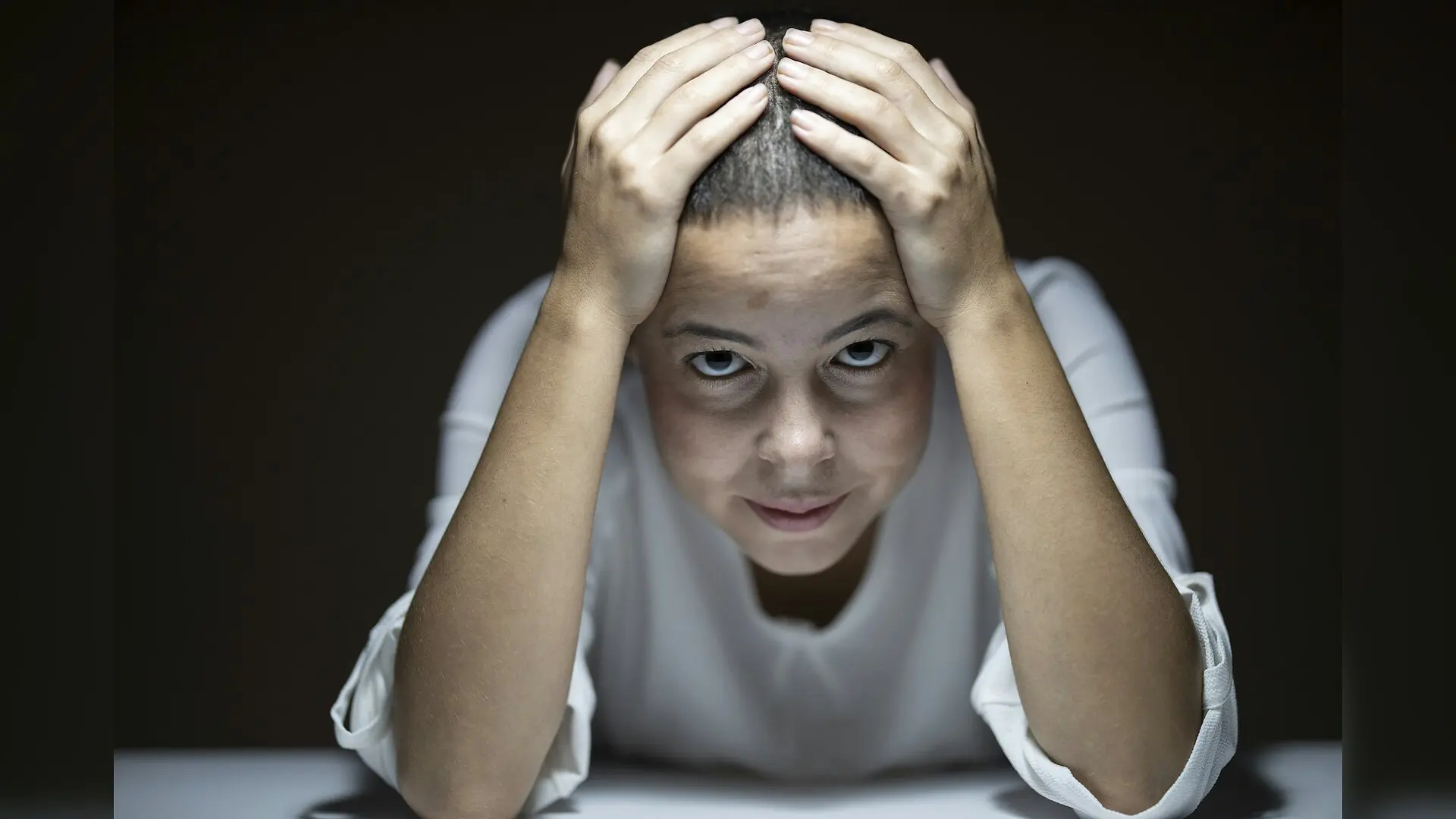
Patients sitting in crowded hospital waiting rooms experience a distinct, intense form of distress known as quexiety, which researchers have officially defined to capture the hidden anxiety of the medical queue. This situation-bound emotional state affects millions of outpatients worldwide who face long delays before seeing a doctor, yet until now the phenomenon lacked a formal medical name, a dedicated measurement scale, and a unified theoretical model.
Anxiety in medical settings is common, but waiting rooms present unique psychological challenges that differ from everyday stressors like job interviews or exams. In healthcare, patients face an involuntary wait where vital information regarding their own bodies is held entirely by others. Researchers note that across many resource-limited outpatient clinics, individuals can spend nearly 70 percent of their visit simply waiting and less than 20 percent in direct contact with a medical provider. This imbalance generates negative emotions that accumulate quietly before the door even opens.
What Is Quexiety And How Does It Manifest?
The term quexiety is a portmanteau blending queue and anxiety, designed to describe the situational state anxiety that arises between the moment of registration or triage and the actual clinical encounter. As detailed in a study published in Frontiers in Public Health by Tian et al. from Chongqing Medical University, the condition manifests across four distinct channels. These include cognitive worry and stretched time perception, affective tension and irritability, physiological arousal such as elevated blood pressure and heart rate, and behavioral restlessness like constant clock-watching.
Unlike generalized anxiety disorder or trait anxiety, which persist across everyday life, quexiety is strictly tied to the waiting environment. It is driven by uncertainty surrounding the consultation process, potential diagnoses, and the patient’s overall health status. External factors like poor lighting, noise, crowding, and a lack of clear queue updates further intensify these feelings.
Why Do Waiting Room Delays Distort Medical Results?
The consequences of waiting extend far beyond temporary mental distress into the actual examination room. When patients finally meet with a clinician, lingering autonomic arousal can artificially inflate vital-sign readings, creating what is known as white-coat hypertension. Heightened stress can also amplify a patient’s perception of pain and narrow their attention, making it much harder for them to recall important instructions given by the doctor.
Furthermore, diagnostic errors can occur if a clinician mistakes anxiety-driven physical symptoms for underlying pathology, or conversely, if genuine disease signs are dismissed as mere nervousness. Tian and colleagues emphasize that while the emotional distress of waiting is temporary, its physiological and relational downstream effects can permanently alter healthcare decisions and patient safety.
How Can Hospitals Measure And Reduce Wait-Room Distress?
To move beyond ad hoc solutions like playing background music or putting up plants, the authors propose a comprehensive antecedent-mechanism-outcome framework. This model highlights that uncertainty sits at the core of the problem, meaning that hospitals could significantly lower distress by providing real-time queue updates, process disclosure, and better expectation-setting. By identifying high-risk individuals early, such as first-time visitors or patients facing invasive investigations, clinics could soon deploy targeted support systems to humanize the outpatient experience.
The research was published in Frontiers in public health on November 27, 2026.
This article has been fact checked for accuracy, with information verified against reputable sources. Learn more about us and our editorial process.
Last reviewed on .
Article history
- Latest version
Cite this page:
- Posted by Zubair Ali