Newborns Show High Inflammatory Markers Without Infection, And Routine Tests Risk False Alarms
A study of 451 infants reveals that normal postnatal stress frequently pushes blood protein levels past standard sepsis thresholds
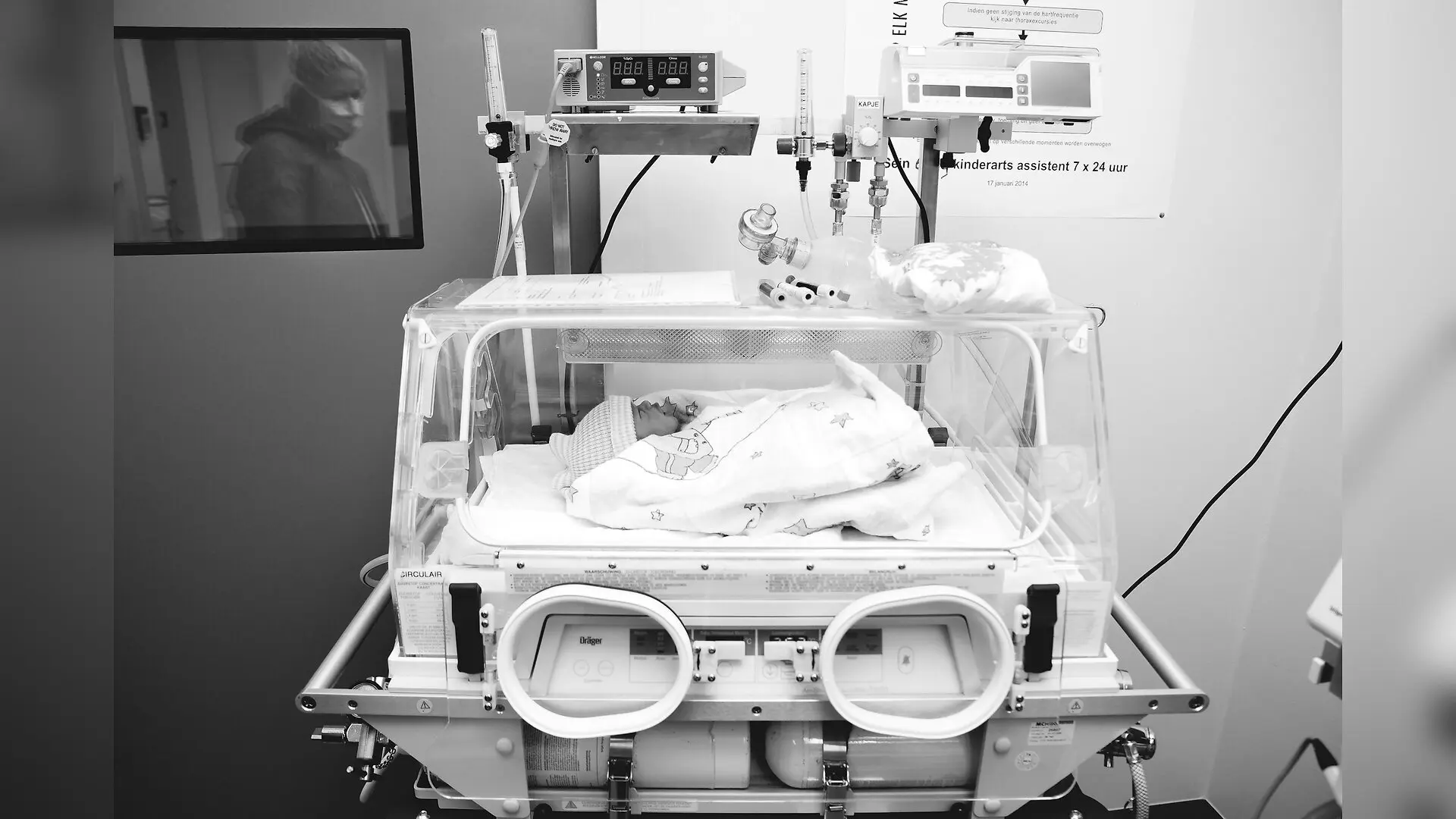
Newborn infants without any signs of infection frequently exhibit elevated blood markers of inflammation during their first 4 days of life, according to a prospective study of 451 infants. Researchers at the Bissaya Barreto Maternity hospital found that standard clinical thresholds often mischaracterize normal physiological responses as early-onset sepsis, a dangerous bloodstream infection affecting babies within 28 days of birth.
Diagnosing neonatal sepsis remains difficult because its early symptoms are subtle and mimic non-infectious conditions. Doctors routinely rely on C-reactive protein, an acute-phase reactant protein produced by the liver in response to inflammation, to help detect infections. However, the widely used clinical threshold of 10 milligrams per liter is often derived from studies of sick infants rather than healthy newborns. This mismatch can lead to unnecessary antibiotic treatments, prolonged hospital stays, and disruptions in maternal-infant bonding.
How Did Researchers Track Protein Levels Across 96 Hours?
Margarida Camacho-Sampaio and colleagues evaluated the C-reactive protein profiles of 451 newborns with a gestational age greater than 34 weeks between February 2022 and February 2023. The team excluded infants with major congenital abnormalities, confirmed infections, or multiple risk factors for sepsis. Blood samples were drawn during routine evaluations for hyperbilirubinemia, a common condition causing yellowing of the skin, or complete blood counts during the first 96 hours of life.
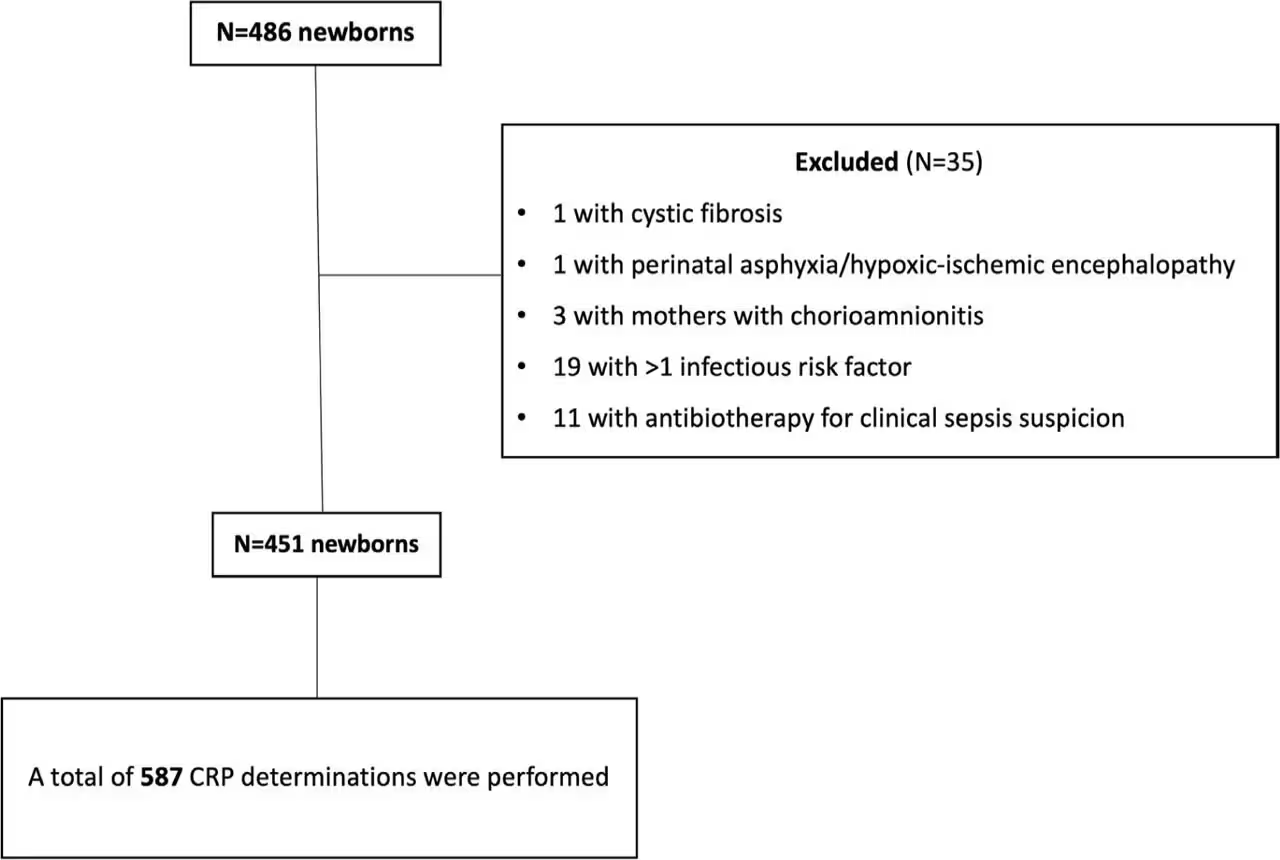
All laboratory assays were performed using an immunoturbidimetric technique on a standardized clinical analyzer. The authors analyzed 587 separate determinations to establish temporal trends and evaluate how factors such as delivery mode and gestational age affected the results. The study published in the Journal of mother and child details how protein concentrations shifted over successive 24-hour windows.
Why Do Healthy Term Infants Show Higher Inflammatory Markers?
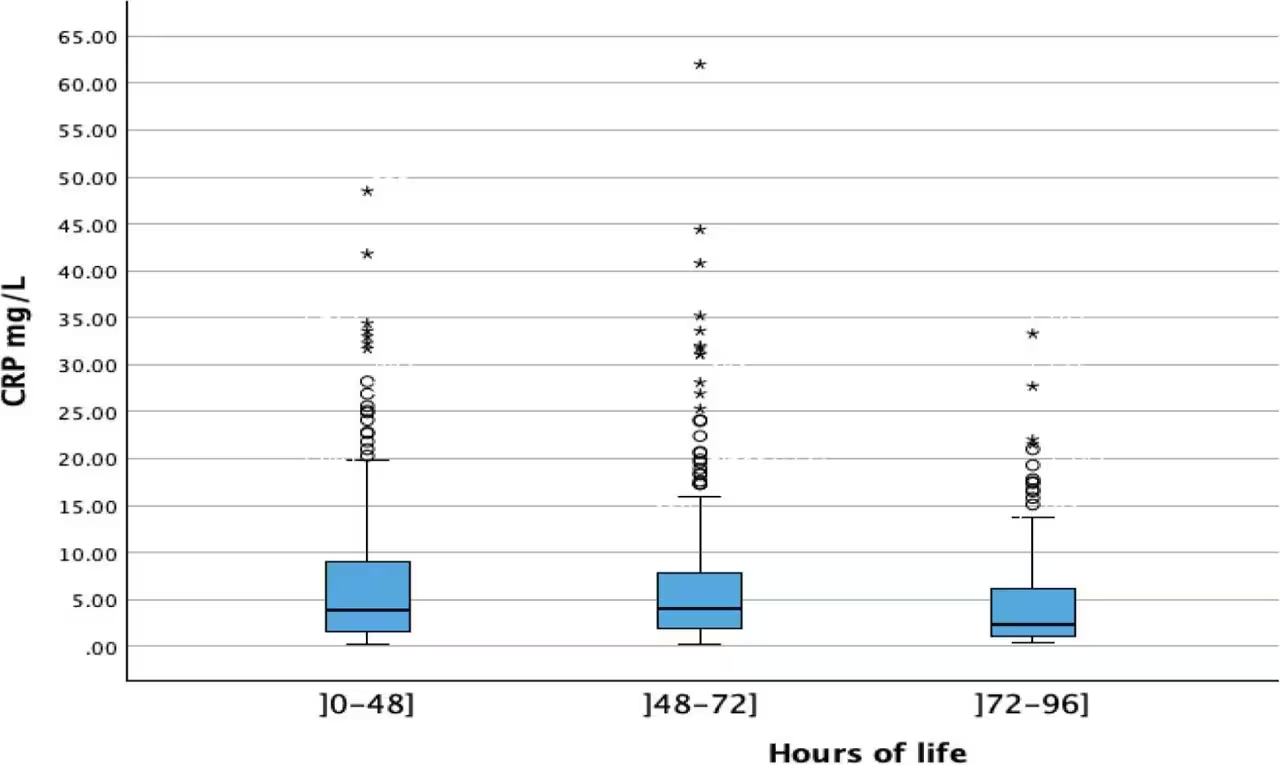
The overall median protein values were 3.9 milligrams per liter in the first 48 hours, 4.0 milligrams per liter between 48 and 72 hours, and 2.4 milligrams per liter between 72 and 96 hours. The corresponding 95th percentiles reached 30.0, 21.6, and 18.5 milligrams per liter across those same time windows. Term newborns consistently showed significantly higher values than late preterm infants, which likely reflects the relative immaturity of liver function in babies born earlier.
Several non-infectious perinatal factors also influenced the inflammatory profiles. Infants delivered vaginally had higher median protein concentrations than those delivered by caesarean section, achieving statistical significance after 72 hours at 2.8 compared to 1.5 milligrams per liter. Similar elevations appeared in newborns exposed to meconium-stained amniotic fluid, prolonged rupture of membranes, and maternal intrapartum fever.
What Happens When Protein Values Exceed Twenty Milligrams?
A total of 34 newborns in the cohort recorded protein measurements of 20 milligrams per liter or higher. Among them, 4 infants were discharged home after clinical evaluation, with follow-up assessments via telephone showing no subsequent health changes. The remaining 30 infants stayed in the hospital due to phototherapy requirements or feeding difficulties. Serial re-evaluations showed that their protein levels eventually normalized without any antibiotic intervention.
The authors note that reliance on a single static cut-off value creates a high rate of false positives. Instead of treating isolated elevations as definitive evidence of disease, clinicians should interpret laboratory markers alongside gestational age, postnatal hours, and perinatal stress factors. Serial measurements taken over time provide a much safer guide for medical decision-making in well-appearing neonates.
The research was published in Journal of mother and child on November 26, 2026.
This article has been fact checked for accuracy, with information verified against reputable sources. Learn more about us and our editorial process.
Last reviewed on .
Article history
- Latest version
Cite this page:
- Posted by Jessica Martin