Researchers Reveal Why 20 Experts Say Brain Scans Miss The True Nature Of Subjective Experience
A multidisciplinary team explains why modern science still struggles to bridge the gap between objective brain activity and inner feelings.
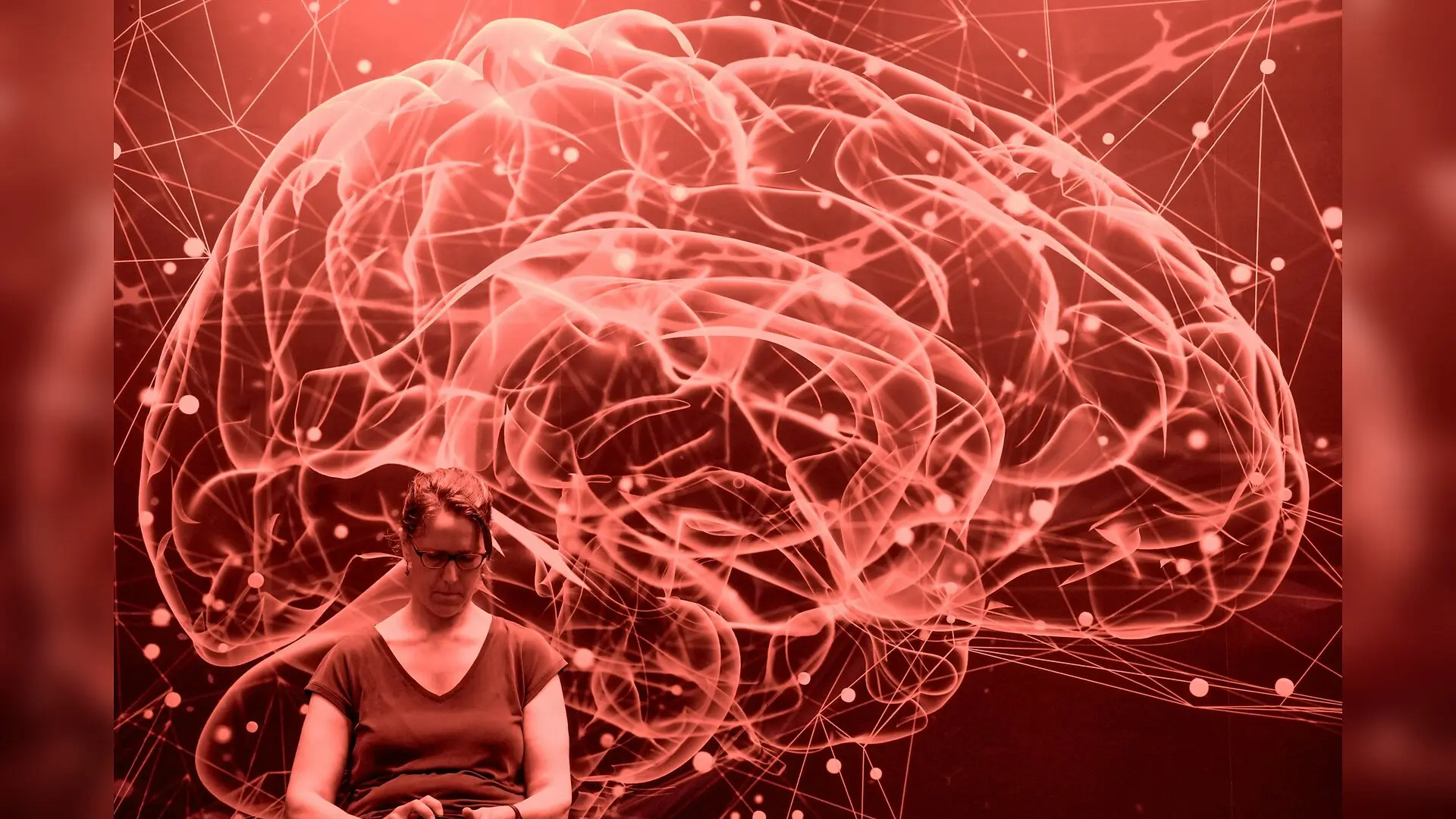
Neuroscientists and researchers from multidisciplinary fields have revealed that modern science still struggles to bridge the divide between objective brain activity and inner subjective feelings. The collaborative team, featuring 20 international experts across neurology, philosophy, and physics, recently published their comprehensive position paper in Brain Structure & Function, pointing out deep conceptual hurdles in how human awareness is currently studied.
Consciousness is the state of being awake and aware of one’s surroundings, encompassing the rich fabric of human thoughts, feelings, and sensory perceptions. For decades, laboratories have mapped neural correlates, which are the specific brain states closely tied to distinct mental experiences. Yet researchers argue that tracking these physical patterns leaves an explanatory gap, failing to fully explain why electrical impulses in neural tissue create a vibrant inner life.
Why Brain Scans Miss Inner Feelings
Advanced neuroimaging and artificial intelligence models have transformed how scientists map brain activity during thought or sleep. Despite these rapid technological leaps, the authors note that contemporary research treats consciousness as a mere computational puzzle or behavioral reaction. This narrow focus often overlooks the fundamental nature of subjective experience, which cannot be easily reduced to a simple algorithm or physical measurement.
The team reviewed multiple scientific frameworks, ranging from clinical neurology and psychiatry to embodied cognition and theoretical physics. They discovered that separate disciplines frequently use conflicting definitions for awareness, creating a fragmented landscape where unified theories remain elusive. Roberto Ferrucci and colleagues emphasize that resolving these contradictions requires abandoning rigid disciplinary boundaries in favor of a shared vocabulary.
How Embodied Minds Shape Awareness
Embodied cognition is a psychological and philosophical perspective suggesting that our minds are deeply shaped by the physical interactions of our bodies with the surrounding world. The new paper highlights how sensory-motor loops and bodily actions form the bedrock of conscious states, rather than just acting as passive outputs of a central computer inside the skull. This approach connects abstract mental phenomena directly to physical posture, movement, and environmental feedback.
Moral neuroscience and psychoanalysis further expand this view by showing how social interactions and emotional histories alter our daily awareness. When people navigate complex social environments, their neural networks adapt in ways that standard laboratory tasks fail to capture. The authors suggest that integrating these interpersonal dimensions is essential for building accurate models of the human mind.
What Quantum Physics Might Explain
Theoretical physics enters the discussion through proposals that basic physical laws at microscopic scales could interact with macroscopic brain structures. While these ideas remain controversial and largely untested by direct observation, some theorists argue that standard neuroscience cannot fully account for the unified nature of conscious perception. The paper evaluates these speculative models without endorsing unproven claims, urging researchers to test physical theories rigorously against empirical data.
Neurotechnology also plays a dual role in modern investigations by offering both powerful diagnostic tools and philosophical challenges. Brain-computer interfaces and advanced recording arrays can detect subtle shifts in awareness during clinical evaluations of patients with severe brain injuries. However, the authors caution that recording neural signals must not be mistaken for solving the deeper mystery of what it feels like to be alive.
Where Consciousness Research Goes Next
The expert panel outlines several conceptual adjustments for future investigations, urging laboratories to combine subjective first-person reports with objective physiological recordings. By acknowledging the limits of current models, the team hopes to guide researchers toward more comprehensive frameworks that respect both physical data and lived experience. These insights serve as a roadmap for laboratories seeking to unify disparate scientific traditions in the ongoing quest to understand the human mind.
The research was published in Brain structure & function on November 25, 2026.
This article has been fact checked for accuracy, with information verified against reputable sources. Learn more about us and our editorial process.
Last reviewed on .
Article history
- Latest version
Reference(s)
- Ferrucci, Roberta., et al. “Consciousness, complexity, and clinical implications.” Brain Structure and Function, vol. 231, no. 9, November 25, 2026 Springer Science and Business Media LLC, doi: 10.1007/s00429-026-03236-z. <https://doi.org/10.1007/s00429-026-03236-z>.
Cite this page:
- Posted by Jessica Martin