Urban Runoff Fuels Massive Toxic Cyanobacteria Blooms Across São Paulo Drinking Reservoirs
A comprehensive multi-reservoir survey reveals that surrounding land use overrides seasonal changes in driving microbial blooms that threaten water security for 21 million people.
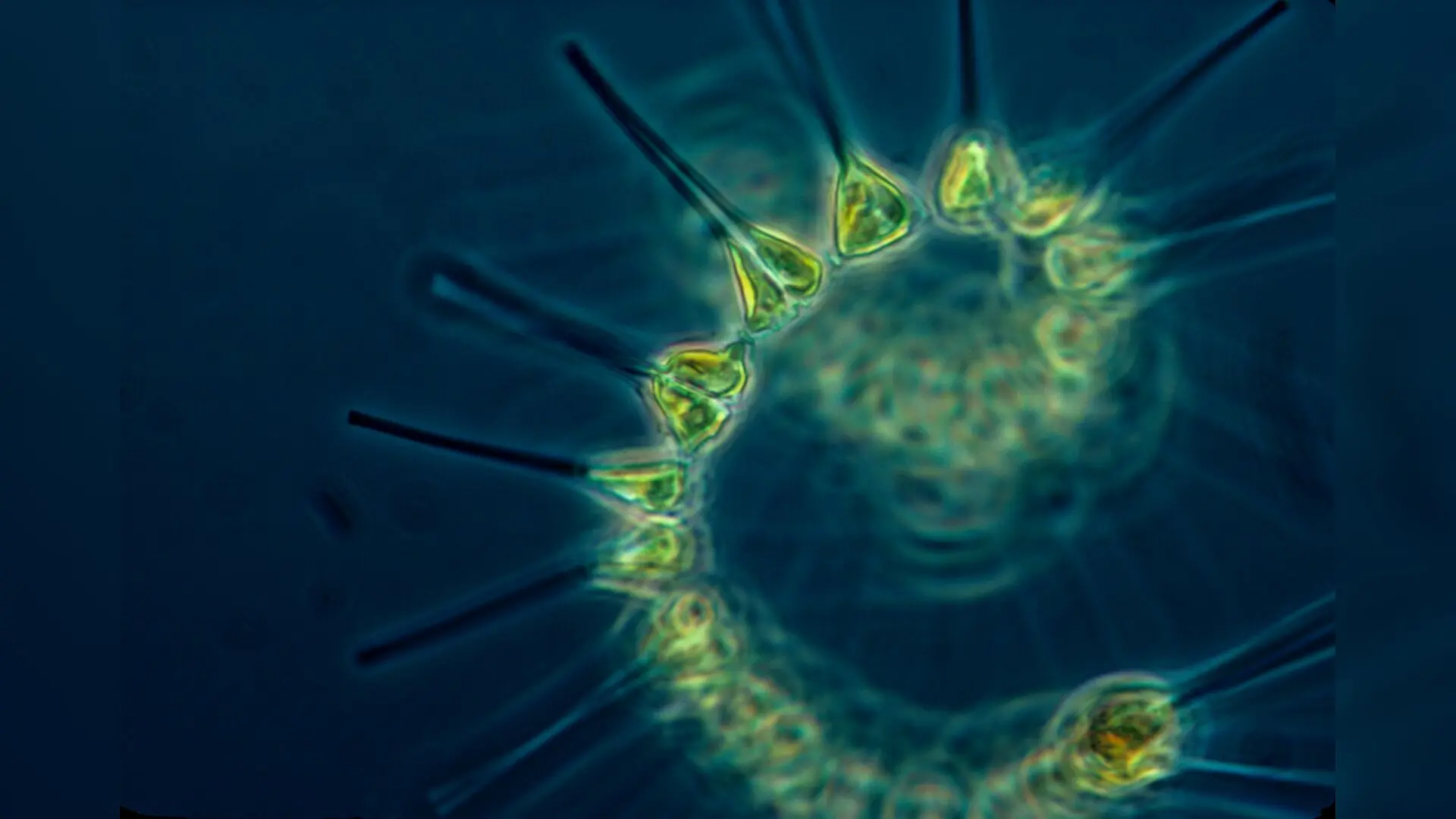
Intense urban expansion and agricultural runoff around 20 drinking water reservoirs in southeastern Brazil are driving widespread blooms of potentially toxic cyanobacteria that threaten water security for 21 million people. The research, published in Environmental monitoring and assessment, reveals that surrounding land use heavily dictates water quality, overshadowing seasonal changes in driving microbial shifts.
How Do Land Use Patterns Shape Reservoir Water Quality?
Led by researcher João Alexandre Saviolo Osti and colleagues, the team evaluated 20 strategic reservoirs across seven interconnected water supply systems in the São Paulo Metropolitan Region. These water networks drain just 0.1 percent of Brazil’s total territory while serving one of the largest megacities in South America. During spring sampling in 2022 and fall sampling in 2023, the investigators tracked physical and chemical water properties alongside phytoplankton and cyanobacteria communities within a 1-kilometer buffer zone around each reservoir.
The findings show that urbanized and agricultural areas act as major diffuse sources of pollution, elevating total nitrogen, total phosphorus, electrical conductivity, and turbidity. In contrast, watersheds surrounded by preserved dense forests exhibited significantly better water quality indicators, lower nutrient concentrations, and healthier trophic states. The Guarapiranga system emerged as the most degraded network, featuring high electrical conductivity above 100 microsiemens per centimeter and total phosphorus exceeding 60 micrograms per liter, placing it firmly in eutrophic territory.
Which Reservoirs Faced the Highest Cyanobacterial Densities?
Cyanobacterial cell counts across nearly all examined reservoirs surpassed the 20,000 cells per milliliter threshold set by Brazilian health regulations for mandatory weekly toxin monitoring. Absolute densities spanned from 6,950 up to a staggering 753,609 cells per milliliter, which was recorded in the Cachoeira reservoir within the Cantareira system during the fall campaign. The Capivari reservoir also spiked dramatically, reaching 603,513 cells per milliliter in the same period.
Out of 51 identified cyanobacterial taxa, 11 species made up the vast majority of the total biovolume and included known toxin-producing genera such as Microcystis, Aphanizomenon, Planktothrix, and Raphidiopsis raciborskii. Statistical models demonstrated that these population densities and biovolumes were closely linked to land use configurations and physicochemical gradients rather than shifting seasons. While seasonal fluctuations showed little independent effect on cyanobacterial growth, local landscape pressures proved to be powerful predictors of ecological degradation.
What Are the Implications for Public Health and Water Management?
The prevalence of potentially toxic cyanobacteria presents a persistent operational challenge for water treatment facilities. Frequent blooms clog filtration systems, require expensive chemical adjustments, and demand advanced technologies to neutralize compounds that cause unpleasant tastes, odors, and liver or neurological toxins. The authors note that nitrogen and phosphorus enrichment imposes a hidden economic burden on public utilities tasked with maintaining safe drinking water standards.
The authors acknowledge certain limitations in their design, noting that the study relied on two seasonal campaigns rather than continuous multi-year monitoring, and evaluated land use within a 1-kilometer buffer rather than the entire contributing watershed. Consequently, the observed relationships represent regional spatial patterns during the study period rather than direct causal proofs. The team emphasizes that safeguarding urban water supplies will require proactive watershed management, focusing on controlling nutrient runoff at the source and preserving remaining forest buffers rather than relying solely on reactive treatments inside the reservoirs.
The research was published in Environmental monitoring and assessment on November 25, 2026.
This article has been fact checked for accuracy, with information verified against reputable sources. Learn more about us and our editorial process.
Last reviewed on .
Article history
- Latest version
Reference(s)
- Osti, João Alexandre Saviolo., et al. “Assessment of water supply systems, land use and land cover, and cyanobacteria in subtropical reservoirs in a megacity area.” Environmental Monitoring and Assessment, vol. 198, no. 12, November 25, 2026 Springer Science and Business Media LLC, doi: 10.1007/s10661-026-16191-3. <https://doi.org/10.1007/s10661-026-16191-3>.
Cite this page:
- Posted by Raj Joshi