Zero-Waste City Initiative Linked to Measurable Drop in Chinese Urban PM2.5 Concentrations
A large-scale study of 271 cities suggests that municipal waste reforms contribute to cleaner air by fostering industrial upgrading and green innovation.
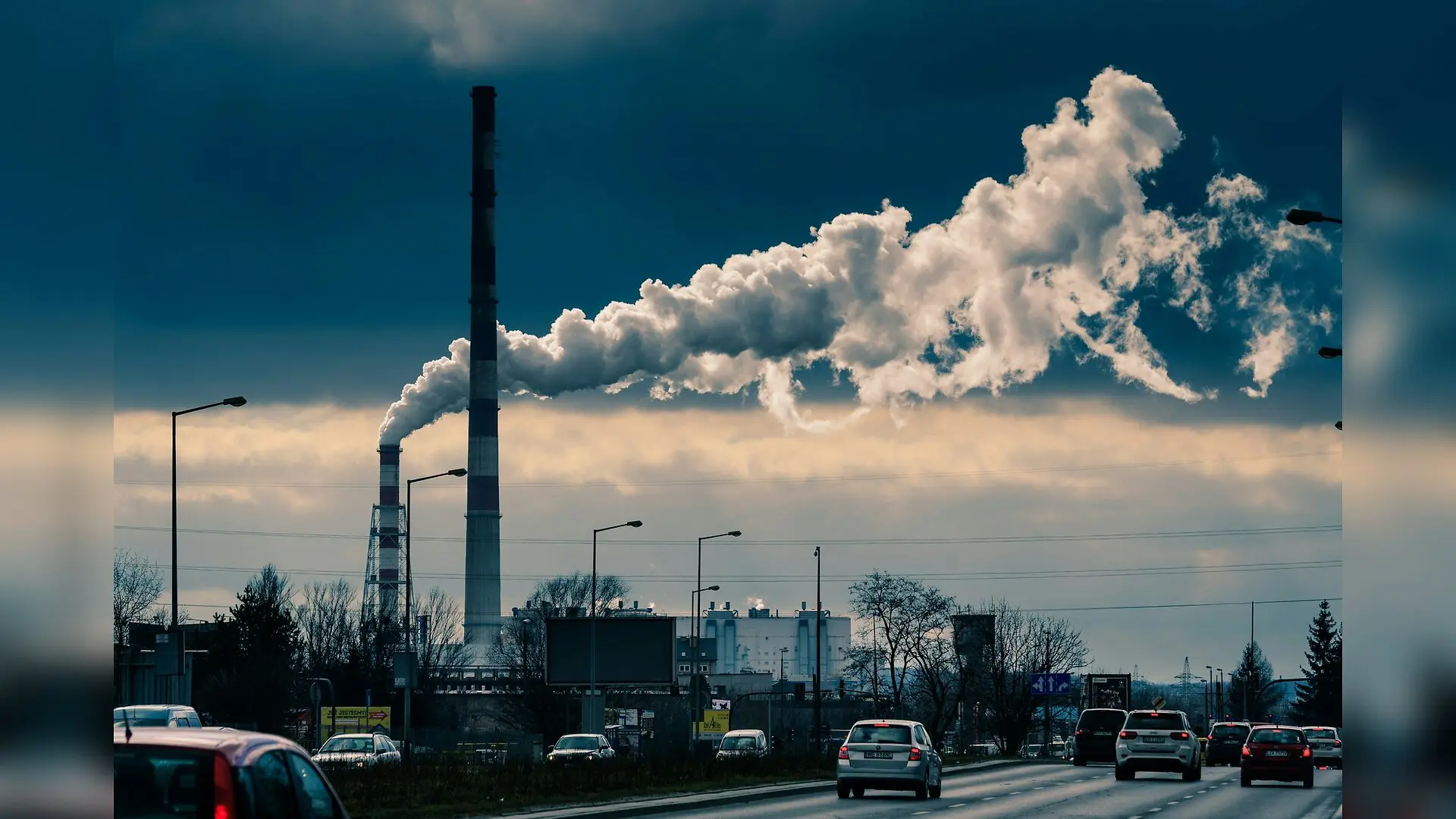
China’s campaign to clean up its urban atmospheres has long struggled with improperly managed solid waste, which releases fine particulates and toxic compounds that degrade air quality. A large empirical study published in Frontiers in Public Health now shows that the nationwide Zero-Waste City initiative is associated with an average decrease of about 4.6 percent in annual mean fine particulate matter concentrations across participating urban areas.
How does the Zero-Waste policy clean the air?
Led by researchers Fan Wang and Bin Guo, the investigation examined economic and environmental records from 271 prefecture-level cities across China between 2010 and 2024. The authors evaluated the environmental impact of the policy by treating its staggered rollout as a quasi-natural experiment. They applied a specialized statistical model known as double machine learning to account for numerous potentially confounding variables and nonlinear relationships without biasing the results.
The policy operates through two main pathways to curb atmospheric pollution. By restricting open burning, uncontrolled landfill gas emissions, and unregulated hazardous waste disposal, the initiative directly cuts off pollution precursors at their source. Indirectly, the push for waste minimization and resource recovery compels heavy industries to streamline their production processes and raise the recovery rate of industrial solid waste, thereby lowering total pollutant emissions.
What mechanisms drive the environmental benefits?
To understand why urban air quality improved in pilot cities, the researchers investigated industrial upgrading and green technological innovation as potential mediating channels. The analysis revealed that the policy is associated with a measurable expansion of the tertiary services sector relative to heavy manufacturing. By imposing strict compliance costs on energy-intensive enterprises, the initiative encourages productive factors to shift toward cleaner, service-oriented economic activities.
At the same time, the stringent resource-recovery standards established by the program provide a sustained incentive for firms to invest in environmental research and development. The data showed that participating cities experienced an increase in green patent grants, reflecting a deeper adoption of energy-saving and emission-reducing techniques. These technological advancements help lower the discharge intensity of industrial pollutants during production.
Are the pollution reduction effects uniform across all cities?
When examining how the policy’s impact varies by city characteristics, the authors found notable differences across urban categories. Small and medium-sized cities exhibited a statistically significant decrease in fine particulate concentrations of about 6.8 percent, whereas the effect was not statistically significant in large cities. Similarly, cities outside traditional industrial bases showed a significant reduction of about 5.7 percent, while old industrial bases did not show a clear response.
The researchers note several limitations in their work that invite caution. Because the policy was rolled out in successive waves, the statistical model averages over different treatment cohorts, and the framework does not yet incorporate estimators robust to staggered adoption. Furthermore, the channel and heterogeneity analyses provide suggestive evidence rather than formal causal mediation or confirmed cross-group differences, meaning that policymakers should carefully consider local economic conditions before expanding such waste management frameworks elsewhere.
The research was published in Frontiers in public health on November 26, 2026.
This article has been fact checked for accuracy, with information verified against reputable sources. Learn more about us and our editorial process.
Last reviewed on .
Article history
- Latest version
Cite this page:
- Posted by Raj Joshi