Digital Recovery App Strengthens Coping Skills and Healthy Habits for Students After Türkiye Earthquakes
A randomized controlled trial of a mobile intervention reveals significant improvements in stress coping and lifestyle behaviors among university students affected by the 2023 disaster.
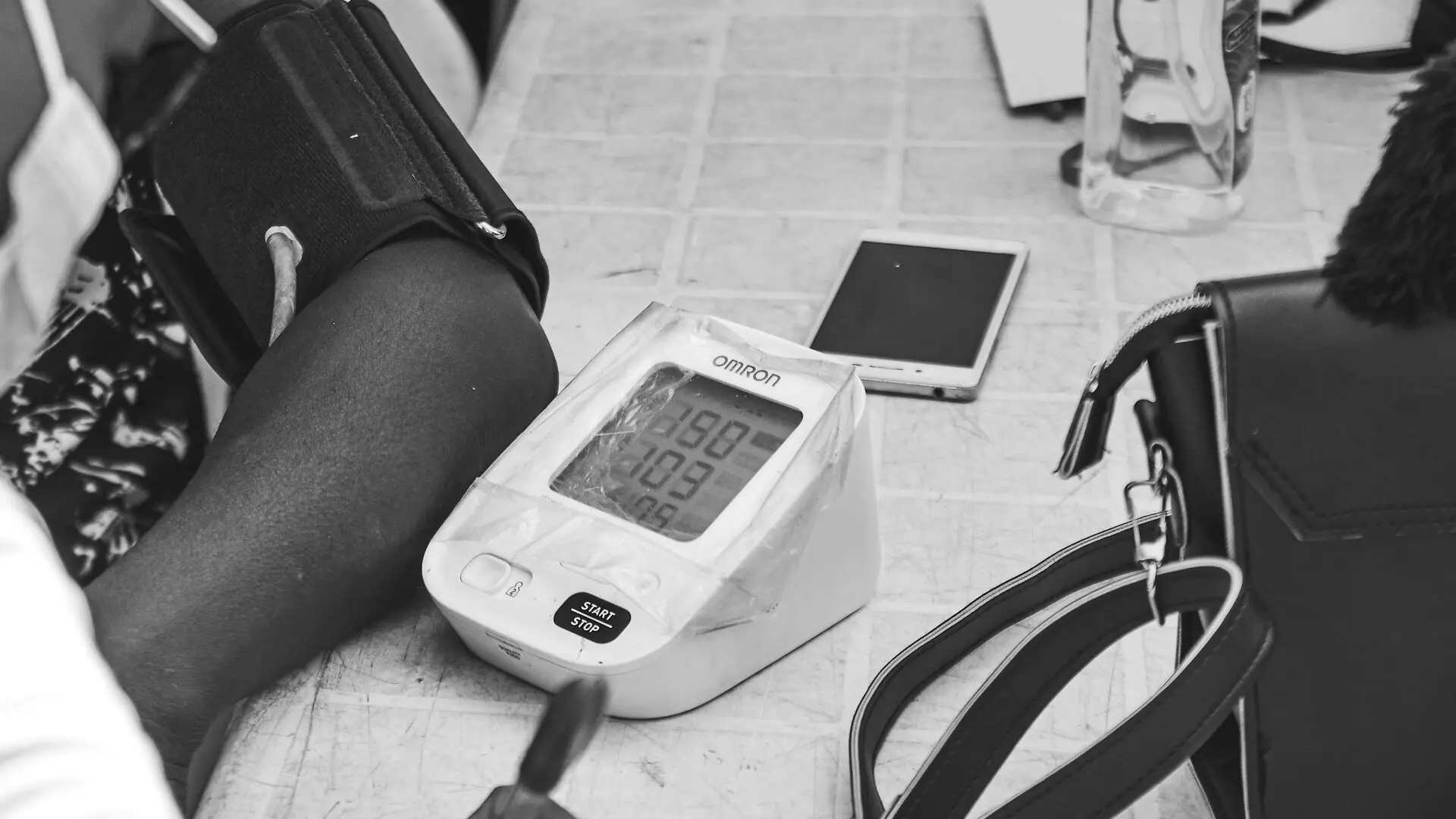
A 12-week digital recovery program developed after the catastrophic February 2023 earthquakes in Türkiye successfully strengthened coping skills and healthy habits among university students, according to a new randomized controlled trial. The twin earthquakes, which measured magnitudes of 7.7 and 7.6, struck 11 provinces and claimed over 53,000 lives while leaving survivors to navigate immense personal loss, academic disruption, and severe psychological distress. University students emerged as a particularly vulnerable group during this crisis, facing sudden displacement, online learning transitions, and high levels of trauma.
To address these challenges, researchers created a multicomponent digital intervention named ADEMOP, short for the Mobile Program for Students Affected by the Earthquake. The study evaluated whether the web- and mobile-based platform could improve post-earthquake trauma, stress coping strategies, health-promoting lifestyle behaviors, and emotional eating among undergraduate nursing students. A total of 80 participants from three universities with moderate to high trauma scores were randomly assigned to either receive the 12-week program or act as a control group, with findings published in Frontiers in Public Health.
How Did the Digital Program Help Students Cope With Stress?
The research team, led by Zeynep Ölçücüoğlu and colleagues, discovered significant improvements in overall earthquake stress coping strategies among students in the intervention group compared to controls. Specifically, participants who used the mobile platform showed marked increases in positive reappraisal, meaning they grew more capable of reframing stressful situations, and in seeking social support, such as connecting with peers and participating in group discussions. These coping mechanisms were supported by the program’s inclusion of breathing exercises, mindfulness practices, laughter yoga, and expressive art activities designed to foster emotional regulation.
However, the program did not produce significant changes in religious coping strategies. The authors note that religious coping tends to be a stable personal characteristic shaped by long-standing beliefs rather than a short-term psychological intervention. Similarly, the digital program did not show a statistically significant effect on overall post-earthquake trauma symptoms or emotional eating tendencies during the study period. The researchers suggest that while the app effectively supported adaptive coping and lifestyle habits, trauma-focused psychotherapy may be necessary to directly treat severe post-traumatic stress.
Why Did Health Behaviors Improve While Trauma Scores Remained Steady?
Alongside coping strategies, the intervention group demonstrated notable enhancements in overall health-promoting lifestyle behaviors, including nutrition, physical activity promotion, and sleep hygiene education embedded in the app. The multicomponent design of ADEMOP provided structured guidance that motivated students to adopt healthier daily routines despite ongoing environmental disruptions. The authors emphasize that while overall lifestyle scores improved, specific subscales such as health responsibility and spiritual growth did not maintain significance after correcting for multiple statistical comparisons.
The study also examined whether higher participation in the intervention sessions led to better outcomes. Interestingly, the number of sessions attended by students, which averaged about six out of the 12 total sessions, was not significantly associated with greater improvements in post-intervention outcomes after adjusting for baseline scores. This indicates that even partial engagement with digital mental health tools can offer benefits, though larger studies are required to fully understand dose-response relationships.
What Are the Next Steps for Post-Disaster Digital Support?
The findings point to the viability of digital and hybrid psychosocial interventions as scalable tools for disaster recovery, especially when geographical or logistical barriers prevent face-to-face mental health care. Policymakers and higher education authorities can consider integrating similar digital frameworks into university health services and disaster preparedness plans to reach displaced students. Nevertheless, the authors caution that digital support tools should complement rather than replace specialized clinical care for severe trauma, and future investigations should incorporate larger, more diverse populations and long-term follow-up assessments.
The research was published in Frontiers in public health on November 26, 2026.
This article has been fact checked for accuracy, with information verified against reputable sources. Learn more about us and our editorial process.
Last reviewed on .
Article history
- Latest version
- Posted by Vikram Desai