Natural Disasters Increase Tetanus Shots But Reduce Newborn Tuberculosis Vaccines
A four-country study reveals that environmental shocks disrupt early healthcare access while emergency campaigns boost prenatal protection.
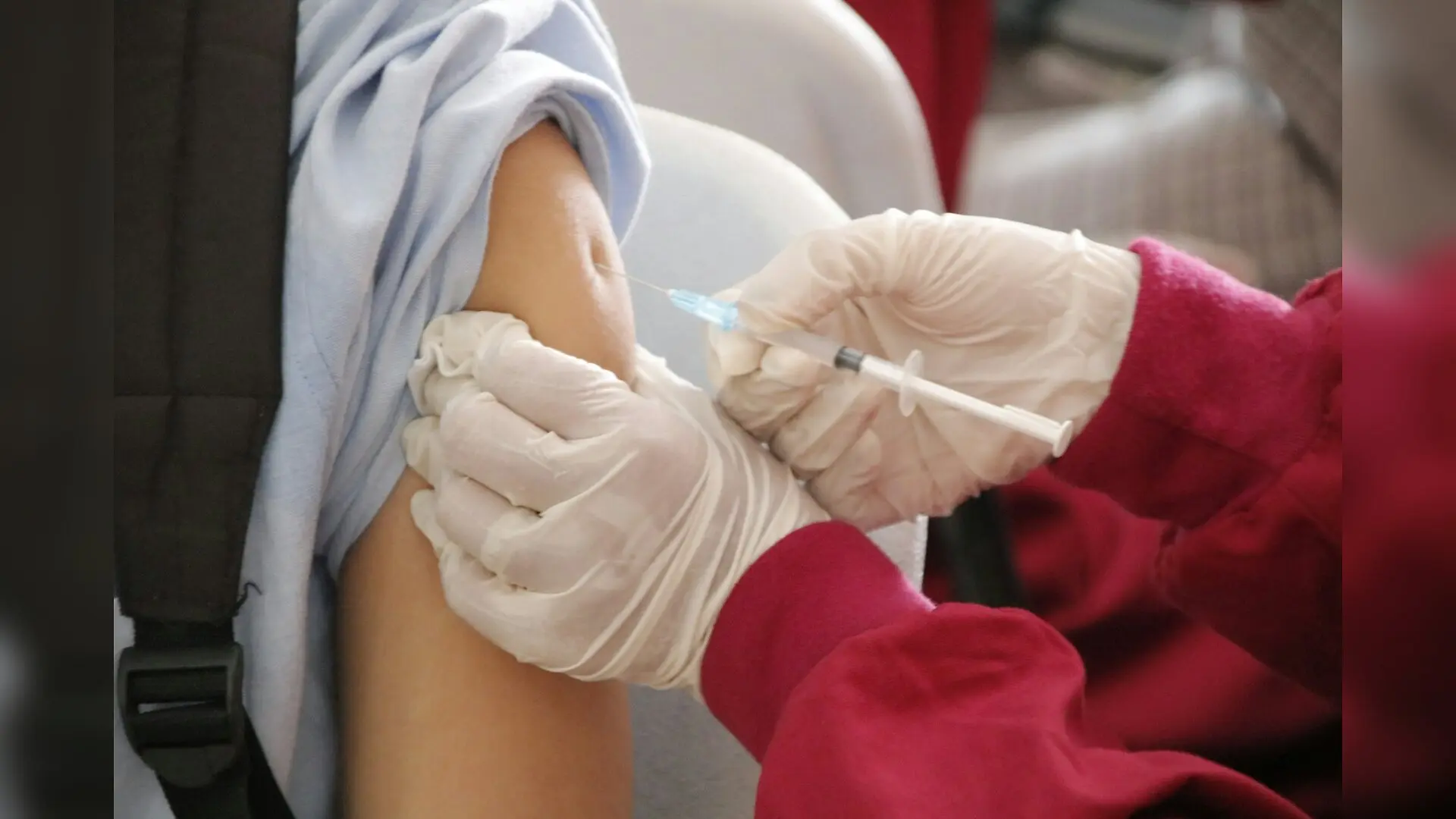
Household exposure to natural disasters changes the likelihood of receiving prenatal and early childhood vaccinations, but the direction of that change depends entirely on the specific type of vaccine. Researchers analyzing survey data from more than seven thousand mother and child pairs across four nations found that natural disasters were linked to higher rates of prenatal tetanus protection, yet lower rates of birth-administered tuberculosis inoculations.
How Did Natural Disasters Shape Vaccine Access Across Seven Thousand Families?
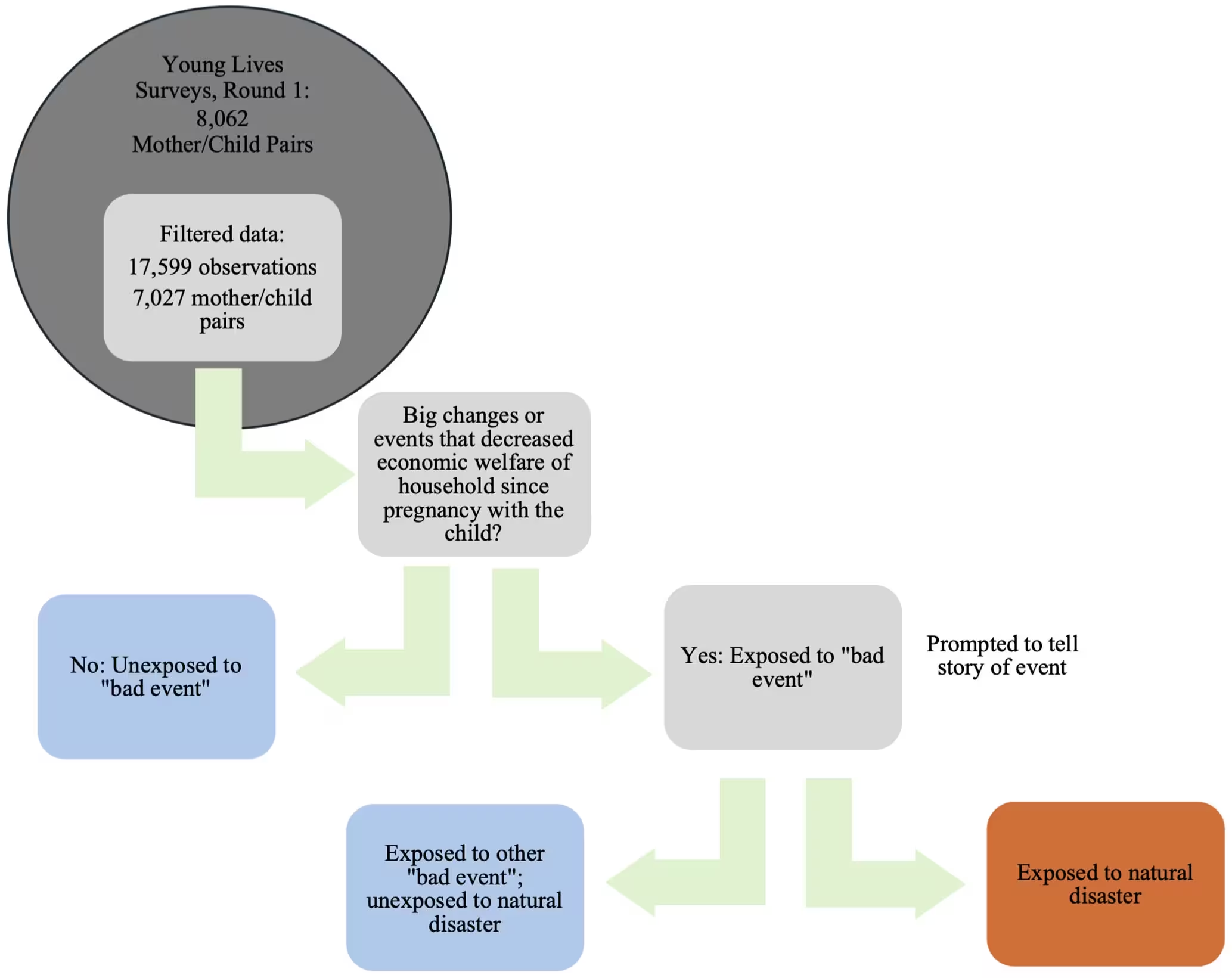
To understand how environmental shocks disrupt public health, a research team led by Brittany Shea and Jeffrey Shaman from Columbia University examined survey data collected in 2002 from Ethiopia, India, Peru, and Vietnam. The study is published in PLOS Global Public Health and covers approximately two thousand respondents per country. The analysis utilized information from the Young Lives project, an international initiative tracking childhood poverty and health indicators in developing regions.
The investigators tracked three specific vaccination milestones for each mother and child pair: at least two doses of antenatal tetanus vaccine during pregnancy, the postnatal Bacillus Calmette-Guérin vaccine given around the time of birth to prevent tuberculosis, and the postnatal measles vaccine administered at nine to twelve months of age. By evaluating multiple vaccination outcomes within the same statistical model for each individual, the authors accounted for unobserved personal tendencies and household health behaviors.
What Were the Contrasting Effects on Tetanus Versus Tuberculosis Shots?
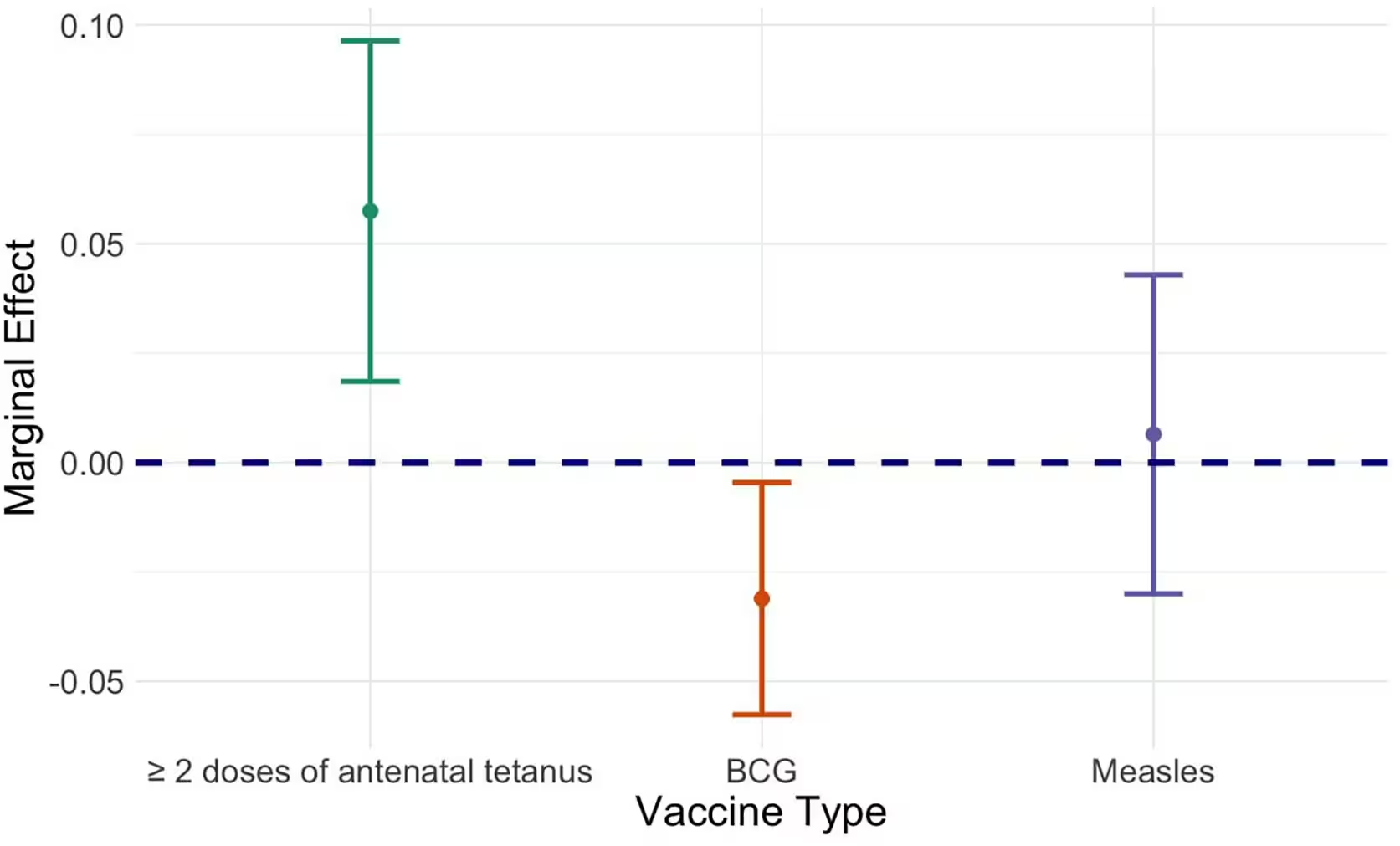
The statistical models revealed a surprising divergence in how families accessed healthcare following environmental shocks. Exposure to a natural disaster was associated with an increase of nearly six percentage points in the probability of receiving at least two doses of antenatal tetanus vaccine. Conversely, the same households experienced a drop of about three percentage points in the probability of obtaining the tuberculosis vaccine for their newborns.
Meanwhile, the analysis detected no statistically significant association between natural disaster exposure and the likelihood of receiving the measles vaccine. Beyond disaster exposure, the researchers found that every one-month increase in a child’s age raised the vaccination probability by a fraction of a percent, while a higher household wealth index strongly correlated with improved immunization coverage across all categories.
Why Do Emergency Responses Change Vaccination Patterns Differently?
The authors suggest that targeted public health interventions explain why certain immunizations increased while others suffered. Supplemental immunization campaigns often deploy rapidly into disaster-affected or high-risk regions to distribute tetanus and measles shots, potentially boosting coverage despite logistical hurdles. However, routine immunizations delivered right at birth, such as the tuberculosis vaccine, face severe disruptions when extreme weather damages clinics or forces expectant mothers to give birth at home instead of in sterile medical facilities.
The study relies on self-reported survey responses regarding household hardships and vaccination histories, which introduces potential recall errors or misclassification. Furthermore, the number of disaster-exposed households varied widely among the nations, with very few respondents reporting natural disasters in Peru compared to Ethiopia and India. Because the timing of specific disasters and exact injection dates were not recorded, the authors emphasize that additional high-resolution research is necessary before policymakers alter intervention strategies based on these findings.
The research was published in PLOS Global Public Health on November 25, 2026.
This article has been fact checked for accuracy, with information verified against reputable sources. Learn more about us and our editorial process.
Last reviewed on .
Article history
- Latest version
Reference(s)
- Shea, Brittany., et al. “Quantifying the relationship between exposure to natural disasters and early-childhood immunization in low- and middle-income countries.” PLOS Global Public Health, vol. 6, no. 11, November 25, 2026, pp. e0006191 Public Library of Science (PLoS), doi: 10.1371/journal.pgph.0006191. <https://doi.org/10.1371/journal.pgph.0006191>.
Cite this page:
- Posted by Vikram Desai