Blood Protein Patterns After Emergency Life Support May Reveal Long-Term Brain Recovery Chances
A multi-center study tracking blood samples over 72 hours points to early molecular clues for cardiac arrest survivors.
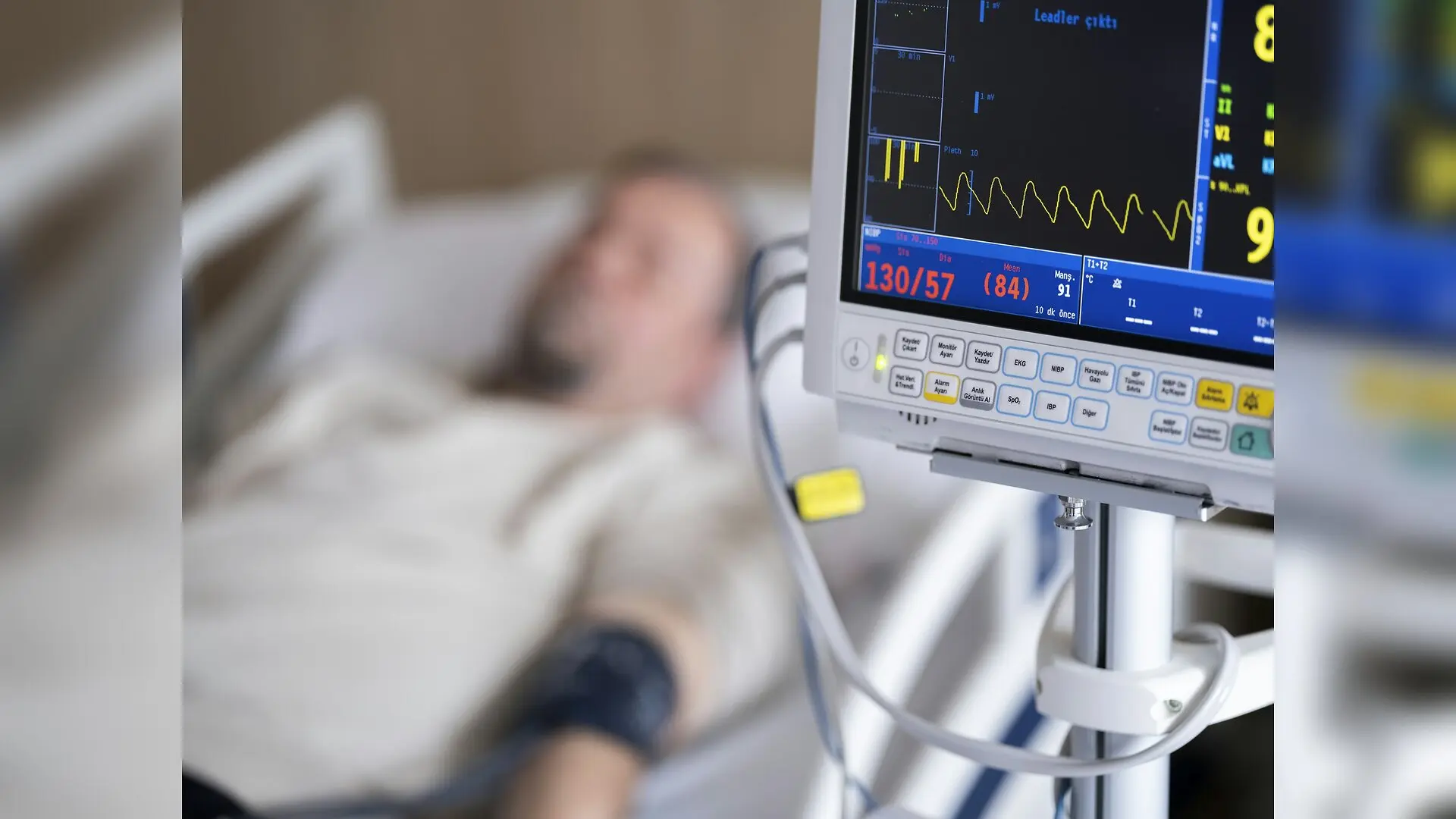
When a patient experiences a sudden cardiac arrest that fails to respond to standard life-saving measures, doctors sometimes turn to an advanced machine-driven life support system that takes over the work of both the heart and lungs. Predicting whether a person will regain normal brain function after this intense intervention has long remained one of the most difficult challenges in critical care medicine. Now, a new multi-center prospective cohort study published in the Journal of Korean Medical Science points toward specific protein molecules in the blood that could help doctors forecast neurological recovery much earlier than previously possible.
The research team, led by AR Han and colleagues from various institutions, set out to solve the clinical uncertainty surrounding extracorporeal cardiopulmonary resuscitation, which is a specialized form of prolonged life support used when standard CPR fails. While this mechanical intervention keeps oxygen flowing through the body, many survivors face severe brain injury due to the initial lack of blood flow. Knowing which patients are likely to recover cognitive function helps families and medical teams make informed decisions about ongoing care, but traditional brain scans and physical examinations often provide limited answers during the crucial first few days in the intensive care unit.
How Did Researchers Track Blood Proteins Over Three Days?
To capture the molecular changes happening in the body after emergency life support, the investigators tracked 22 patients who underwent the procedure. They collected blood serum samples at four specific time points: immediately after the intervention, and then at 24, 48, and 72 hours later. By monitoring these temporal changes, the team hoped to spot diverging biological patterns between patients who eventually recovered well and those who suffered lasting neurological damage.
The blood samples underwent advanced laboratory screening using high-resolution liquid chromatography-tandem mass spectrometry, a powerful technique that allows scientists to identify and measure thousands of different proteins in minute biological samples. Out of 1,135 quantified proteins, the researchers looked for significant differences in abundance between the recovery groups. They defined meaningful changes using strict statistical thresholds, focusing on proteins that showed marked shifts in concentration over the 72-hour monitoring window.
What Do The 90-Day Scores Reveal About Brain Recovery?
To evaluate long-term recovery, the study relied on the 90-day Cerebral Performance Category score, a standard medical scale used to grade neurological outcomes ranging from full recovery to severe brain death or permanent vegetative state. Among the 22 enrolled participants, 15 patients achieved a good neurological outcome, classified as a score of 1 or 2, indicating independence in daily activities. The remaining patients experienced poor recovery outcomes, giving researchers distinct biological comparisons to analyze.
Although the sample size of 22 patients is relatively small, the comprehensive proteomic profiling approach generated a massive dataset of molecular activity. The authors noted that tracking protein expression across multiple early time points provides a clearer dynamic picture of secondary brain injury than a single isolated blood test. These changing biological signatures suggest that the body actively releases specific indicators of tissue stress and repair into the bloodstream shortly after resuscitation.
What Are the Next Steps for Clinical Prognosis?
While these initial findings highlight promising biological candidates for early prognosis, the authors emphasize that larger clinical trials are necessary to validate the proteins before they can be used routinely at hospital bedsides. Because the study observed patients across multiple centers, the results reflect real-world variability in critical care environments, but confirming the predictive accuracy will require broader validation cohorts. As medical technology improves, identifying these microscopic warning signs in the blood may eventually transform how doctors guide families through the most critical hours following cardiac arrest.
The research was published in Journal of Korean medical science on November 23, 2026.
This article has been fact checked for accuracy, with information verified against reputable sources. Learn more about us and our editorial process.
Last reviewed on .
Article history
- Latest version
Reference(s)
- Han, A Reum., et al. “Proteomic Investigation of Serum Biomarkers for Early Neurological Prognosis in Patients Undergoing Extracorporeal Cardiopulmonary Resuscitation: A Prospective Multi-Center Pilot Study.” Journal of Korean Medical Science, vol. 41, no. 45, January 1, 2026 XMLink, doi: 10.3346/jkms.2026.41.e308. <https://doi.org/10.3346/jkms.2026.41.e308>.
Cite this page:
- Posted by Vikram Desai